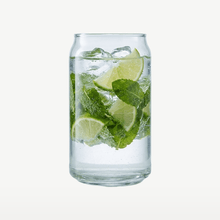
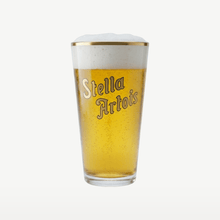
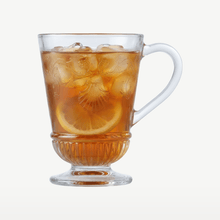
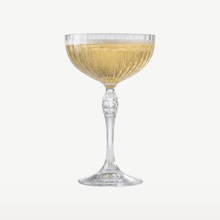
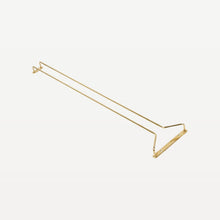
Bormioli Rocco Bodega Beer Glass 35 Cl - 12 Pieces

Bormioli Rocco Bodega Beer Glass 50 Cl - 12 Pieces

Mammoet Budgetline Fluitje Beer Glass 19 Cl - 12 Pieces

Mammoet Budgetline Amsterdam Beer Glass / Vase 34 Cl - 12 Pieces

How to pour
a non-alcoholic beer in
Rinse the glass with cold water and leave it wet. The head stays put better and lasts longer on a wet, cold glass. Grease from your fingers or a tea towel makes the foam sink. So hold the glass near the bottom and don’t dry it.
Hold the glass at an angle, about forty-five degrees, and let the beer flow gently down the inside. This creates little foam at first and keeps the fizz in the beer. Non-alcoholic beer sometimes foams up faster. So pour the first half a little more slowly than you’re used to.
When the glass is two-thirds full, set it upright and pour the rest into the middle of the beer. This creates the foam, and within a few seconds you’ll have a head two to three centimeters high. If the head gets too high, wait a moment and then top it up.
Wipe the rim with a clean, wet slotted spoon, or leave it as it is. It’s up to you. Then serve the beer right away. Non-alcoholic beer is best at five to seven degrees. A slice of lemon can go on the rim of a witbier glass. If you want to taste the hops and spices on their own, leave it out.
What did you think of this explanation?
Just click a star once. If you’d like to add a comment, we’ll review it before it appears here.
Save this page
Send this page to your own email so you have the information handy when you’re ready to pour. You’ll also get a €5 discount code on purchases of €50 or more, for the matching glasses.
The story
Alcohol-free beer has been around for a long time, but almost nobody drank it. For years, it tasted like a watered-down version. That was down to the technology. If you boil off the alcohol, you boil off the aromatic compounds too. With vacuum distillation, the boiling point is lower, so less of that happens. With reverse osmosis, the alcohol is removed from the beer through a membrane without heat. Other brewers intervene earlier. They stop fermentation early or use a yeast that leaves most of the sugars behind. Whichever method you choose, the alcohol that’s removed has to be made up for with hops, acidity, or a drier finish.
The right glass
Pour alcohol-free beer into the glass used for the beer it resembles. A 0.0 pilsner goes in a flute or a tumbler, alcohol-free weissbier or wheat beer in a tall wheat beer glass, and an alcohol-free IPA in a stemmed goblet. There’s little or no alcohol to carry the aroma. A glass that narrows toward the rim helps hold that aroma. If you want to pour exactly a quarter litre, a fill line is useful. Find tall, straight pilsner glasses in the pilsner glasses collection.

Schott Zwiesel Beer Basic Small Wheat Beer Glass 30 cl with Fill Line (4 pieces)

Royal Leerdam Beer Specials Beer Glass 30 cl (6 pieces)
Both sets together € 59,90.
The right tools
For alcohol-free beer, you don’t really need anything besides the glass, but a bar spoon for gently stirring a mix and a zester for a strip of lemon peel come in handy. These are the bar tools we use ourselves; you can find them all in our bar tools & cocktail sets.


Glass set (our pick 01) + 2 bar tools together € 60,85.
What to serve alongside it?
With non-alcoholic beer, the beer itself takes center stage, with no spirits involved. If you want to know what’s in the other bottles on the bar, you’ll find the Dutch classics under genever, Bokma and Beerenburg. Each drinks page tells you the alcohol percentage, what it tastes like, which cocktails it goes with and what glass you’ll need.


Variations & twists
Witbier and weissbier often turn out best without alcohol. Their flavor comes mainly from yeast and spices, which remain intact. Non-alcoholic IPA relies on hops. That works too, if the brewer adds enough bitterness and dryness. Tripel and quadrupel are the hardest to make. Alcohol is what gives them body and warmth. The easiest option is a radler made with non-alcoholic pilsner and lemon soda. To read more, see all drinks and brands.
Serving tip
Serve non-alcoholic beer at five to seven degrees. Colder temperatures flatten the flavor, while at room temperature you’ll taste mostly sweetness. Put the bottles in the fridge, not the freezer. Rinse the glass with cold water and fill it to two or three centimeters below the rim. That leaves room for the head.
Good to know
Removing the alcohol after brewing
Here, you first brew a regular beer until it’s completely finished, then remove the alcohol. In vacuum distillation, reduced pressure lowers the boiling point. The alcohol then evaporates at a lower temperature, taking less aroma with it. In reverse osmosis, the beer is pushed under pressure along a membrane. Water and alcohol pass through, but the larger flavor compounds do not. The water is then added back. Neither method leaves the flavor completely intact, so brewers rebuild some of it afterward.
Brewing with barely any alcohol
With the other approach, you intervene during brewing. For arrested fermentation, the yeast is cooled or removed before it has converted the sugars. That way, little alcohol is produced. You can also use a yeast that simply leaves certain sugars alone, so almost no alcohol is produced in the first place. The advantage is that no aroma is boiled off. The downside is that a lot of unfermented sugar remains in the beer.
0.0 beer and non-alcoholic beer aren’t the same
The label can say non-alcoholic for beer containing up to 0.5 percent alcohol. So you’ll also find bottles labeled as such with 0.2 or 0.4 percent. A 0.0 beer has no measurable alcohol. If you want to avoid alcohol completely, that’s the only difference that matters, and it’s always shown on the bottle. Low-alcohol is something else: it’s the category just above non-alcoholic.
Why it often tastes sweeter
During fermentation, sugar is converted into alcohol. If that doesn’t happen, or only happens partway, the sugar stays in the beer, making it taste sweeter and fuller. Alcohol itself also gives a dry, sharp sensation that normally cuts through the sweetness. Brewers balance this with more hop bitterness, a touch of acidity or salt, more carbonation, or a lighter malt bill, making the finish drier.
Which styles work well and which don’t
Witbier, weizen, and IPA are the styles that most often work well without alcohol. Their flavor comes from yeast, spices, and hops, and doesn’t require alcohol. Pilsner can work too, but it’s unforgiving. There’s little to hide a flaw behind. Tripel, quadrupel, barley wine, and imperial stout are the hardest to make, because alcohol provides warmth, body, and sweet roundness.
The same glass as the original
Non-alcoholic beer should be served in the kind of glass that suits the style it resembles. You don’t need a special glass. A 0.0 pilsner in a flute or tumbler, a non-alcoholic weizen in a tall wheat beer glass, a non-alcoholic IPA in a stemmed goblet. The serving temperature is the same too: pilsner at four to six degrees, wheat beer and weizen at five to seven.
Frequently asked questions
Is non-alcoholic beer really completely alcohol-free?
Not always. A beer can be called non-alcoholic if it contains up to 0.5 percent alcohol, so you’ll also find bottles labeled as such with 0.2 or 0.4 percent. If the label says 0.0, there’s no measurable alcohol in it. The percentage is always shown on the bottle. So check the label if it matters to you.
How is non-alcoholic beer made?
In two ways. The beer is brewed as usual, and then the alcohol is removed, either by vacuum distillation or by reverse osmosis through a membrane. Or it’s brewed to produce almost no alcohol, by stopping fermentation early or using a yeast that leaves most of the sugars behind.
Why does alcohol-free beer often taste sweeter?
The sugar that would normally turn into alcohol remains in the beer. And the dry, sharp feeling of alcohol is missing. Brewers compensate with more hop bitterness, a little acidity, more carbonation, or a lighter malt bill, giving the finish a drier taste.
What glass should you drink alcohol-free beer from?
Use the glass for the beer it resembles. A 0.0 pilsner in a flute or tumbler, alcohol-free weissbier or white beer in a tall white beer glass, alcohol-free IPA in a stemmed goblet. A glass that narrows slightly toward the rim holds the aroma better.
Also delicious
Buy alcohol-free beer
Want the bottle delivered straight to your door? Order alcohol-free beer online at Gall & Gall. Gall & Gall has 21.
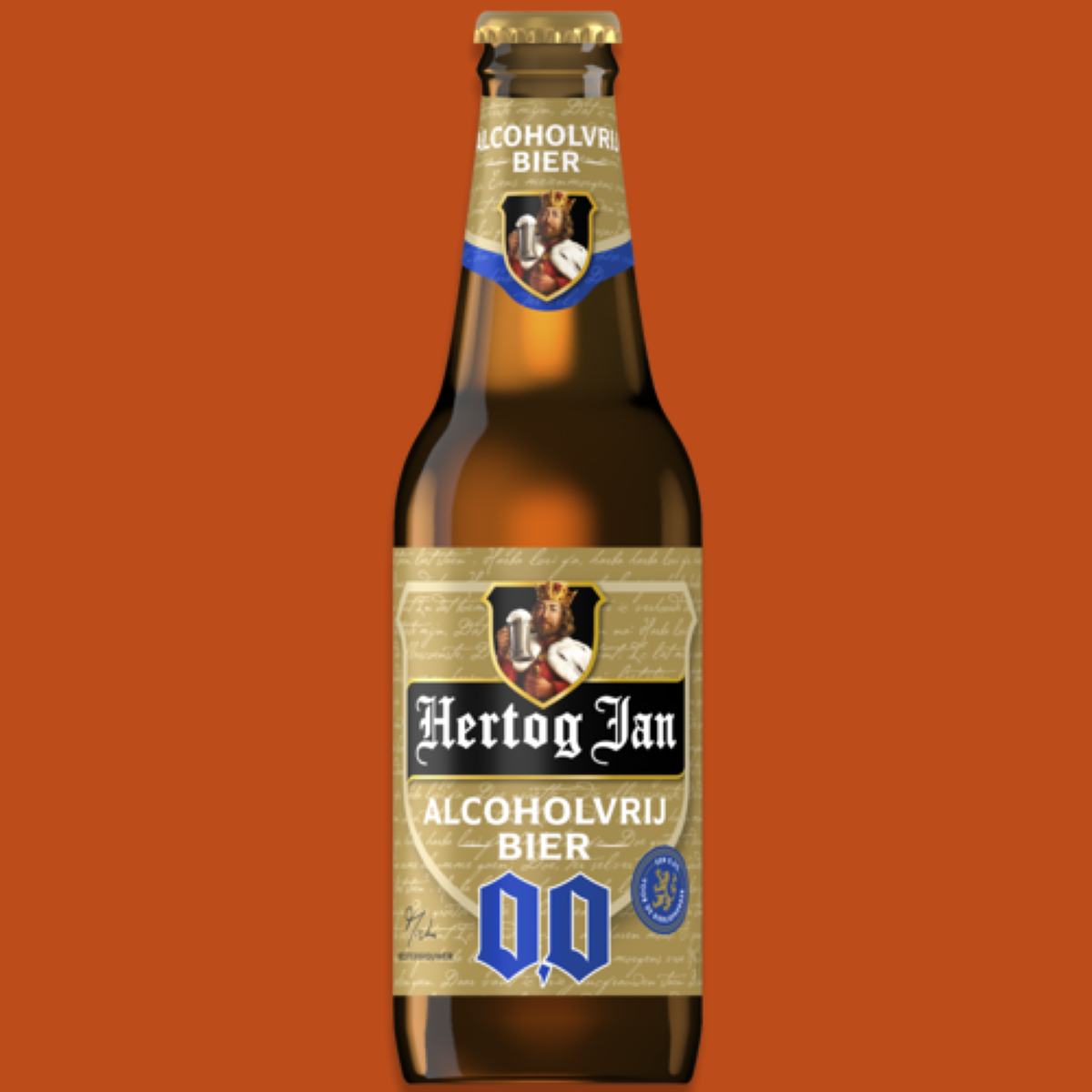
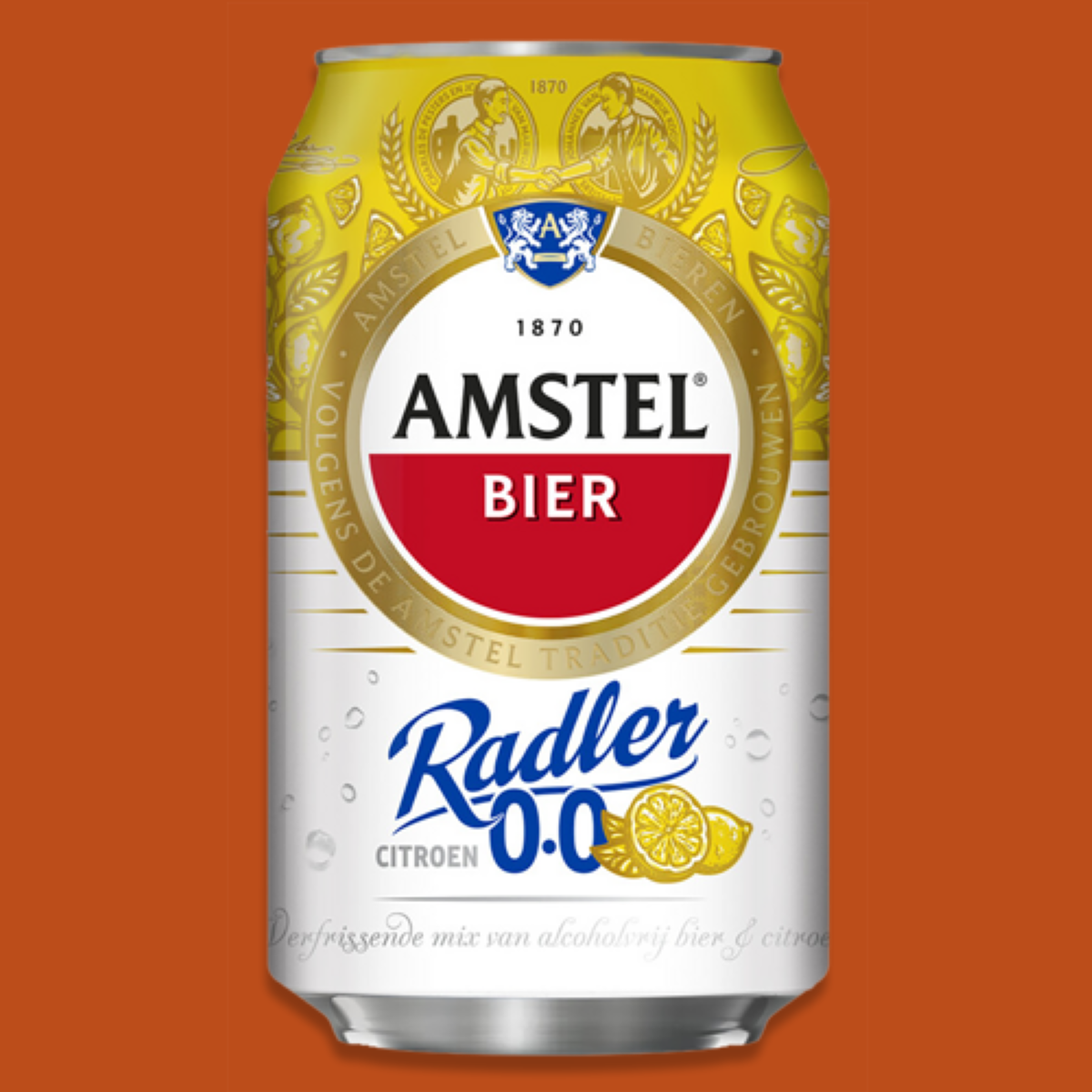
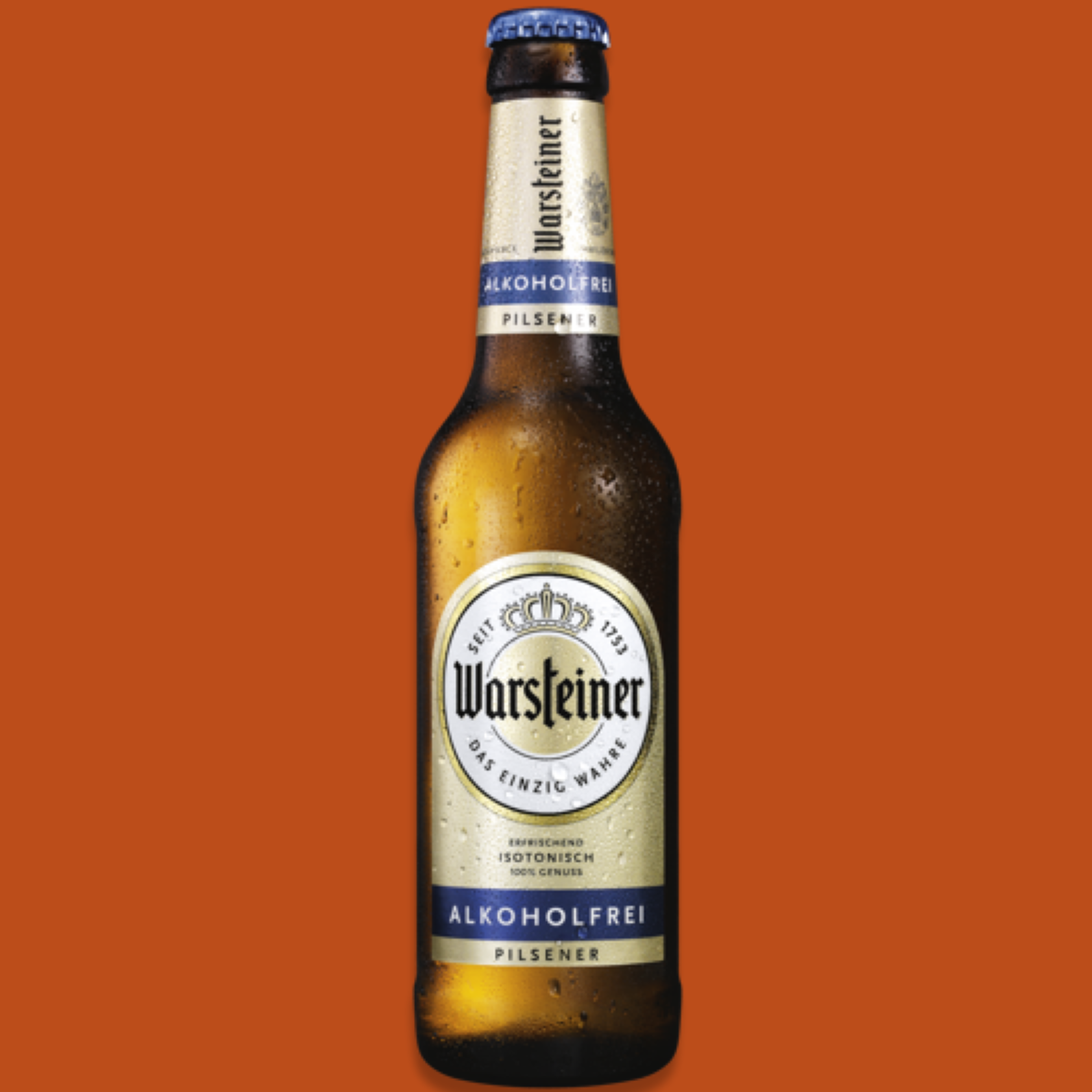
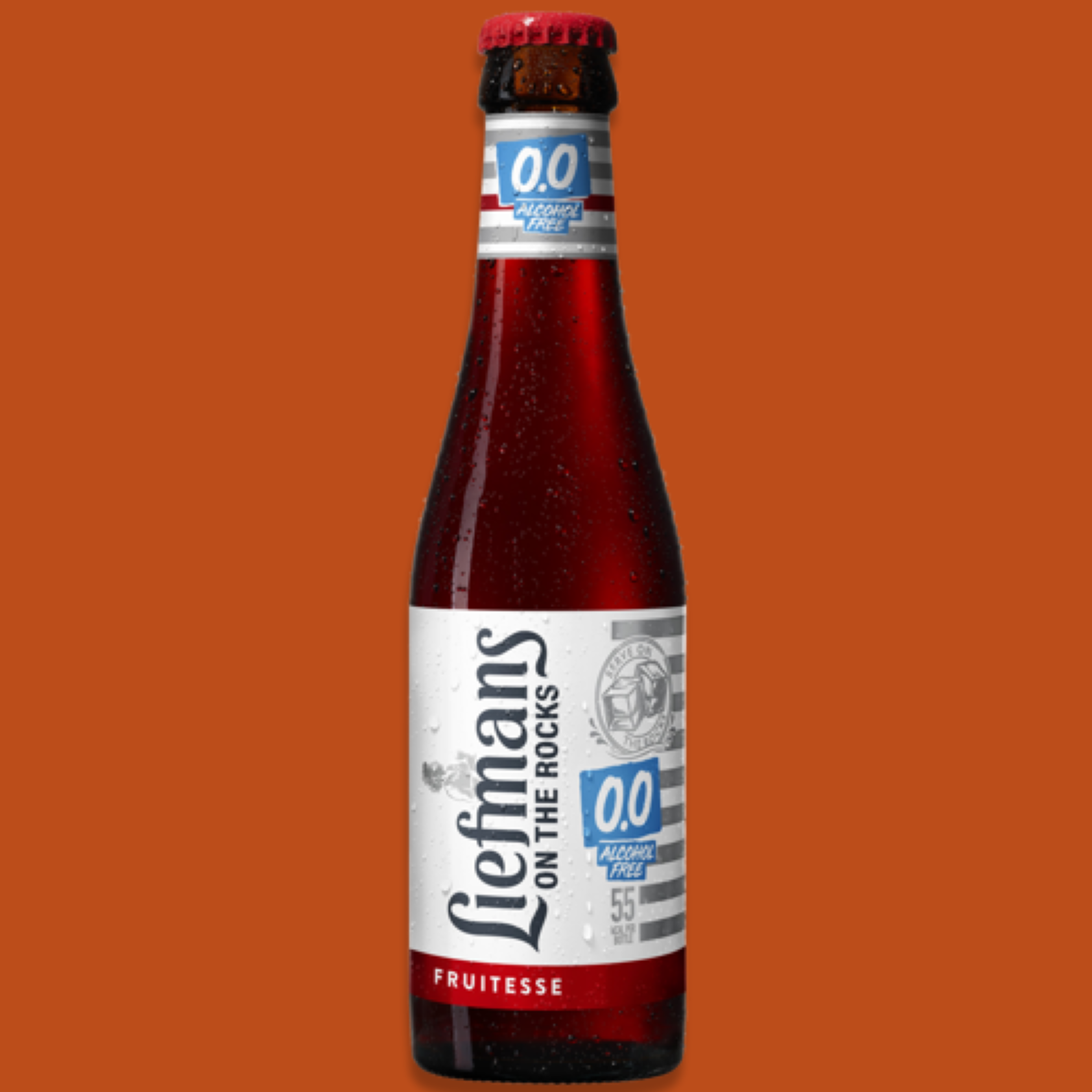
Prices as of November 21, 2026, as reported by Gall & Gall. See the current price and stock at Gall & Gall. Glazen.nl receives a small commission if you buy something through these links; it costs you nothing extra. No one under 18; no alcohol.
Everything for your bar,
to one address
Commercial-grade glasses, sold in sets. Order today, delivered quickly.
Shop glasses →