

Liqueur
Cream liqueur, coffee liqueur, something orange-flavored, or perhaps herbal. Liqueur is the broadest category in the entire drinks aisle. Read on to find out what it actually is and what varieties there are. And what this sweet liqueur tastes like, how to drink it, and which glass to choose.


The best-known liqueur brands
Four bottles from four different families. They’re so well known that you’ll find them in almost every bar.
Baileys
Irish whiskey, fresh cream, cocoa, and vanilla. It has been around since 1974 and is still the world's best-selling liqueur. Serve it chilled and refrigerate the bottle after opening.
About Baileys →Cointreau
French orange liqueur, made from dried sweet and bitter orange peels and bottled at 40%. That makes it dry enough to take the lead in a Margarita or Cosmopolitan.
About Cointreau →Licor 43
Golden vanilla liqueur from Cartagena, with forty-three ingredients. Drink it neat over ice or with milk. Add hot espresso and it becomes the Spanish Carajillo.
About Licor 43 →
Kahlúa
Mexican coffee liqueur from 1936, made with Arabica beans, rum, and vanilla. Looking for an espresso martini liqueur? This is the bottle. The White Russian depends on it, too.
About Kahlúa →Every liqueur, listed by brand
16 brands and 24 flavors, each with its own page about flavor, cocktails, and the right glass.


Distilled, with sugar and flavor
Liqueur is a distilled spirit with added sugar and flavor. That may sound vague, but the definition is precise. It must contain at least 15% alcohol and at least 100 grams of sugar per liter. If a bottle doesn’t meet the sugar requirement, it’s simply a distilled spirit, not a liqueur. That’s why liqueurs can be so different and still belong under one name. A cream liqueur at 15% and a whisky liqueur at 40% follow the same rules.
The base doesn’t matter. It’s usually neutral alcohol, but it can also be brandy, rum, whisky or cognac. Grand Marnier is made with cognac, Drambuie with Scotch whisky and Baileys with Irish whiskey. The flavor is then added by steeping, distilling or blending. That flavor gives the family its name. So there are cream liqueurs, coffee liqueurs, fruit liqueurs, herbal liqueurs, orange liqueurs and nut liqueurs. They’re all sweet, but otherwise have little in common.
One family needs a little care. Cream liqueur contains real cream, and cream spoils. So keep an opened bottle in the fridge; it’ll last about six months. Liqueurs without cream keep for years in the cupboard, thanks to the sugar and alcohol. If a cream liqueur smells or tastes sour, or there are flakes floating in your glass, throw it away. And never mix cream with cola or orange juice, because the acid makes the cream curdle.
In brief
Six families you’ll find on every shelf
Liqueurs are grouped by what gives them their flavor. That also tells you how to drink them, how long they keep and which cocktails they go in.
Cream liqueur
Real cream mixed with whiskey, rum or a fruit distillate. Smooth and full-bodied, sweet, with vanilla and cocoa. It’s the only family that really needs refrigeration after opening and doesn’t keep indefinitely.
Coffee liqueur
Roasted coffee with sugar, often with vanilla or rum as well. Dark and sweet, with a touch of bitterness from the coffee itself. No coffee liqueur, no Espresso Martini or White Russian.

Fruit liqueur
By far the largest family. Passion fruit, peach, coconut, strawberry, lemon or cherry. They’re full of fruit flavor and usually low in alcohol. That’s why most people drink them as a long drink, with juice or sparkling water.
Orange liqueur
Dried peel from bitter and sweet oranges, usually in neutral spirits or cognac. They’re stronger than most liqueurs, which is why they keep showing up in shaken classics.

Herbal liqueur
Herbs, roots, peels and often honey, too. Bittersweet and complex. At one end, there’s an herbal bitter like Jägermeister; at the other, a whisky liqueur like Drambuie with heather honey.

Nut liqueur
Almond, hazelnut or walnut, often with notes of marzipan and apricot kernel. Sweet as a dessert. That sweetness balances surprisingly well in a sour with lemon juice.
There are also chocolate, caramel, anise and egg liqueurs, along with the bittersweet aperitifs from the Italian aisle.
Sweetness is the only constant
Pronounced and sweet
A liqueur smells like what it’s made from, and little else. Coffee, passion fruit, orange peel, almond or cream. You can barely smell the alcohol because there isn’t much of it, and the sugar masks it.
Full, smooth and syrupy
Because of the sugar, liqueur feels fuller in your mouth than unsweetened spirits. The same is true in a cocktail. It adds flavor, but also body. Cream liqueur is the smoothest, orange liqueur the crispest.
Lingers
Sugar preserves flavor, so the finish lingers longer than with gin or vodka. Herbal liqueurs finish with a touch of bitterness. Fruit liqueurs, on the other hand, leave a little acidity that cuts through the sweetness.
An average across the whole category. Cream liqueur scores higher on sweetness and lower on strength. A 40% herbal or whiskey liqueur scores around 4 for strength and around 1 for fruitiness.
Three ways to drink liqueur
You rarely finish a bottle of liqueur by yourself. Drink it neat over ice, as a long drink, or as the sweet half of a cocktail. Any way works, as long as you keep the pour small.
Neat over ice
Pour 4 to 5 cl into a small stemmed glass, or over two large ice cubes in a tumbler. The cold makes it taste less sweet and much easier to drink. Serve cream liqueur chilled from the fridge. Herbal or whiskey liqueur is best enjoyed at room temperature.
The right glass →As a long drink
Pour 3 cl of fruit liqueur into about 15 cl of orange juice, pineapple juice, or sparkling water, in a highball glass full of ice. That's how most people drink Safari, Passoã, and Malibu. Be careful with cream liqueur, as it curdles in orange juice and cola.
Malibu cocktails →In a cocktail
In a cocktail, liqueur is almost never the base. It adds flavor, 1 to 2.5 cl alongside the spirit. Cointreau does that in the Margarita and the Cosmopolitan, Kahlúa in the Espresso Martini, and Passoã in the Pornstar Martini.
Espresso Martini recipe →The best-known cocktails with liqueur
Almost every classic contains a liqueur. Often you barely notice it; sometimes it takes center stage. Start with these four.

Espresso Martini
Vodka, fresh espresso, and coffee liqueur, shaken hard for a layer of foam.
Margarita
Tequila, lime juice, and triple sec. The cocktail where the liqueur keeps everything in balance.
Pornstar Martini
Vanilla vodka, passion fruit, and passion fruit liqueur, with a shot of prosecco on the side.
Sex on the Beach
Vodka, peach liqueur, orange juice, and cranberry. The long drink of the eighties.The right glass for liqueur
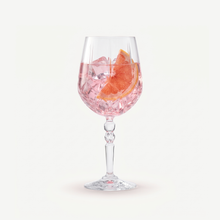
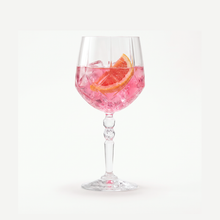
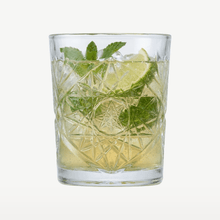
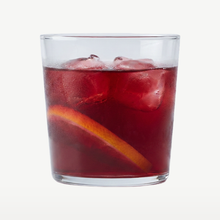
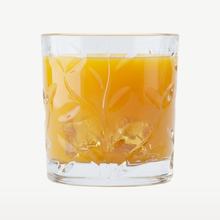
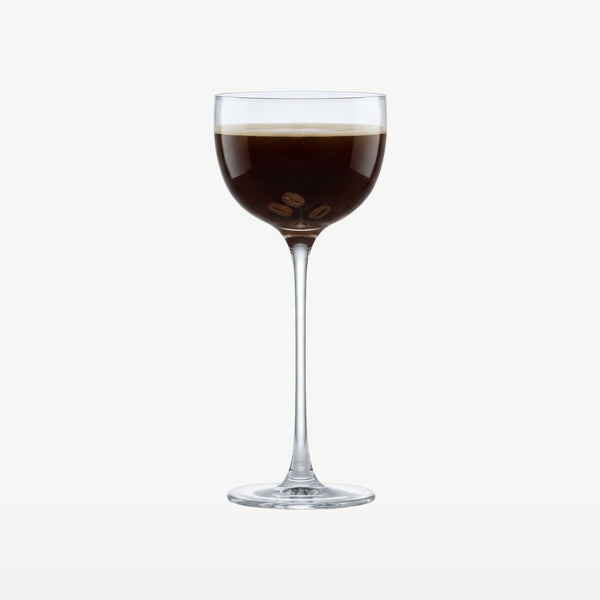
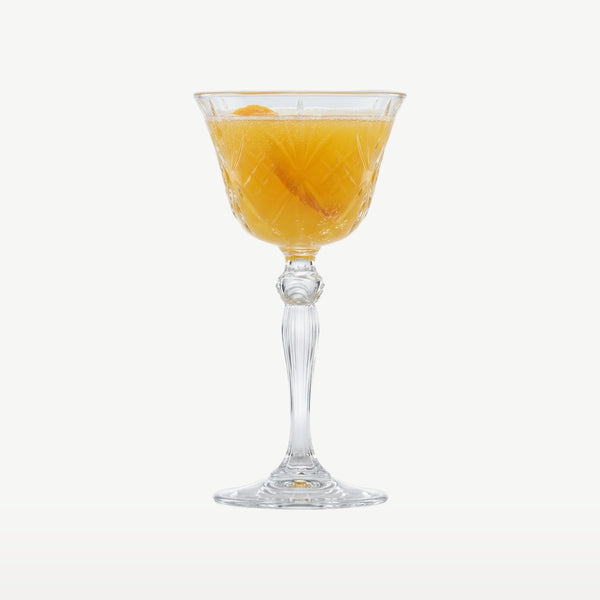
Serve neat in a small stemmed glass. For drinks with ice, use a tumbler; for shaken cocktails, a coupe; and for fruity mixes, a long drink glass. These are the glasses we recommend ourselves.


Everything else you wanted to know about liqueur
Can’t find your question here? Browse our cocktail recipes or get in touch.
To the cocktail recipes →What percentage of alcohol is in liqueur?
What’s the difference between liqueur and regular spirits?
What types of liqueur are there?
Does liqueur need to be refrigerated?
How long does liqueur last after opening?
Which glass should you use for liqueur?
Buy liqueur
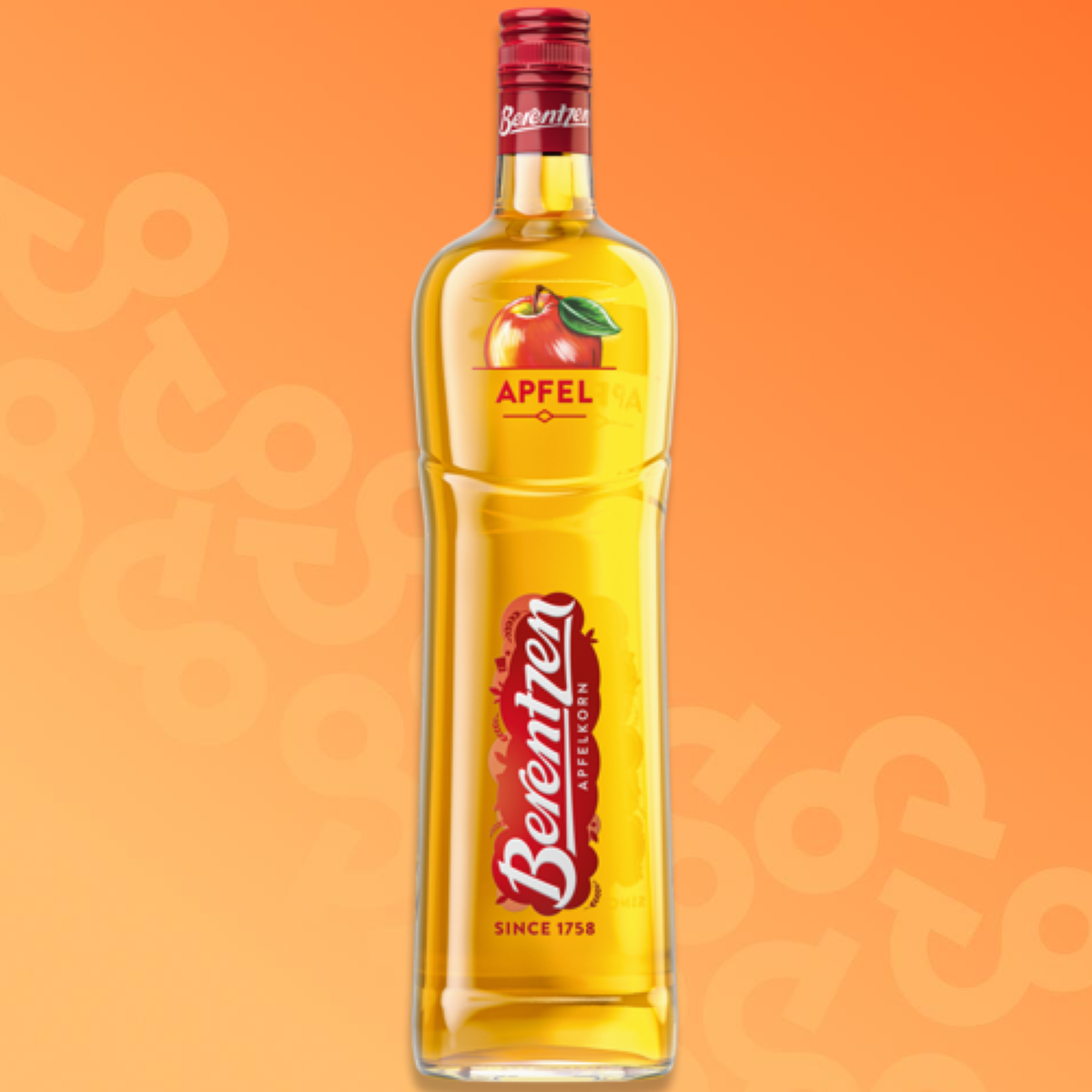
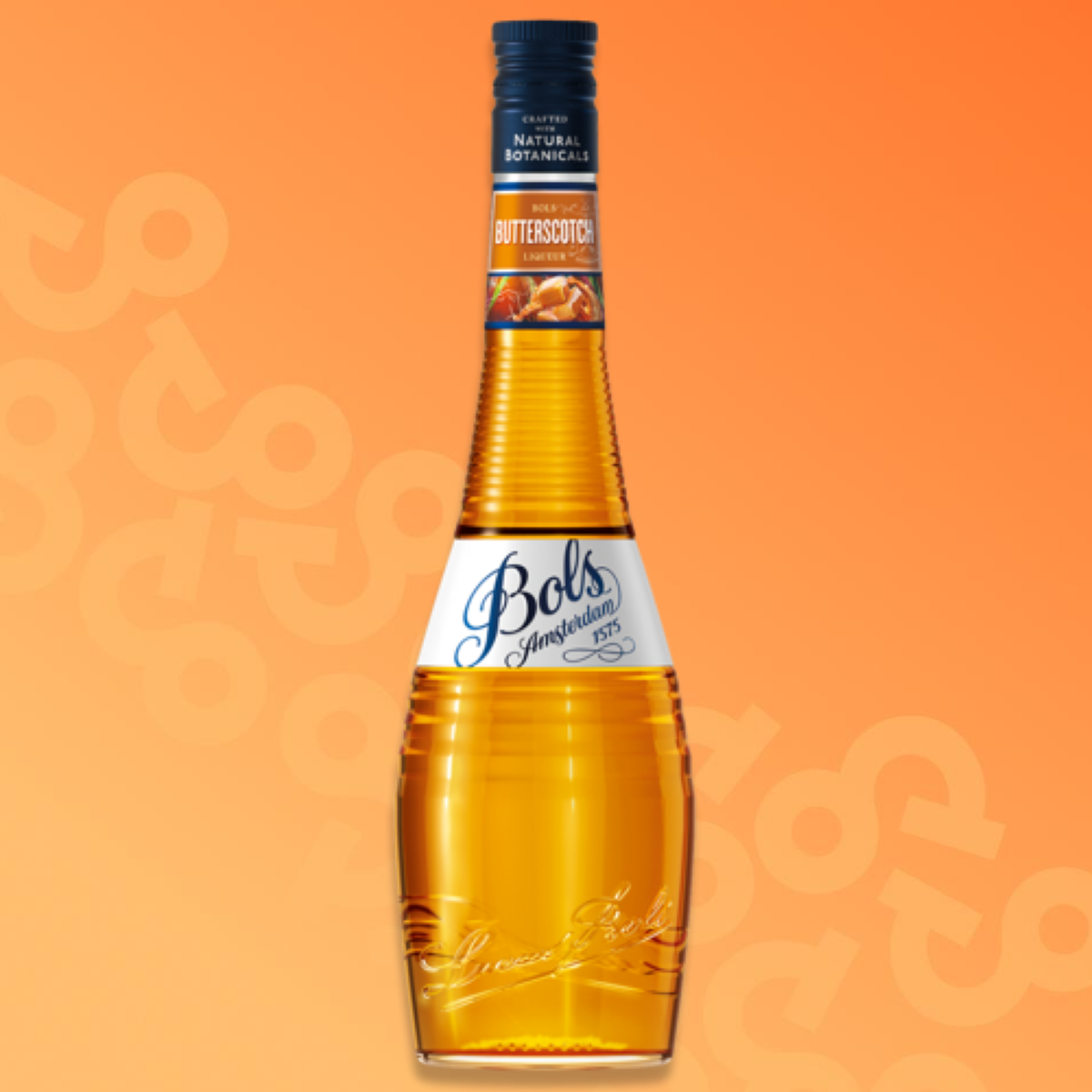
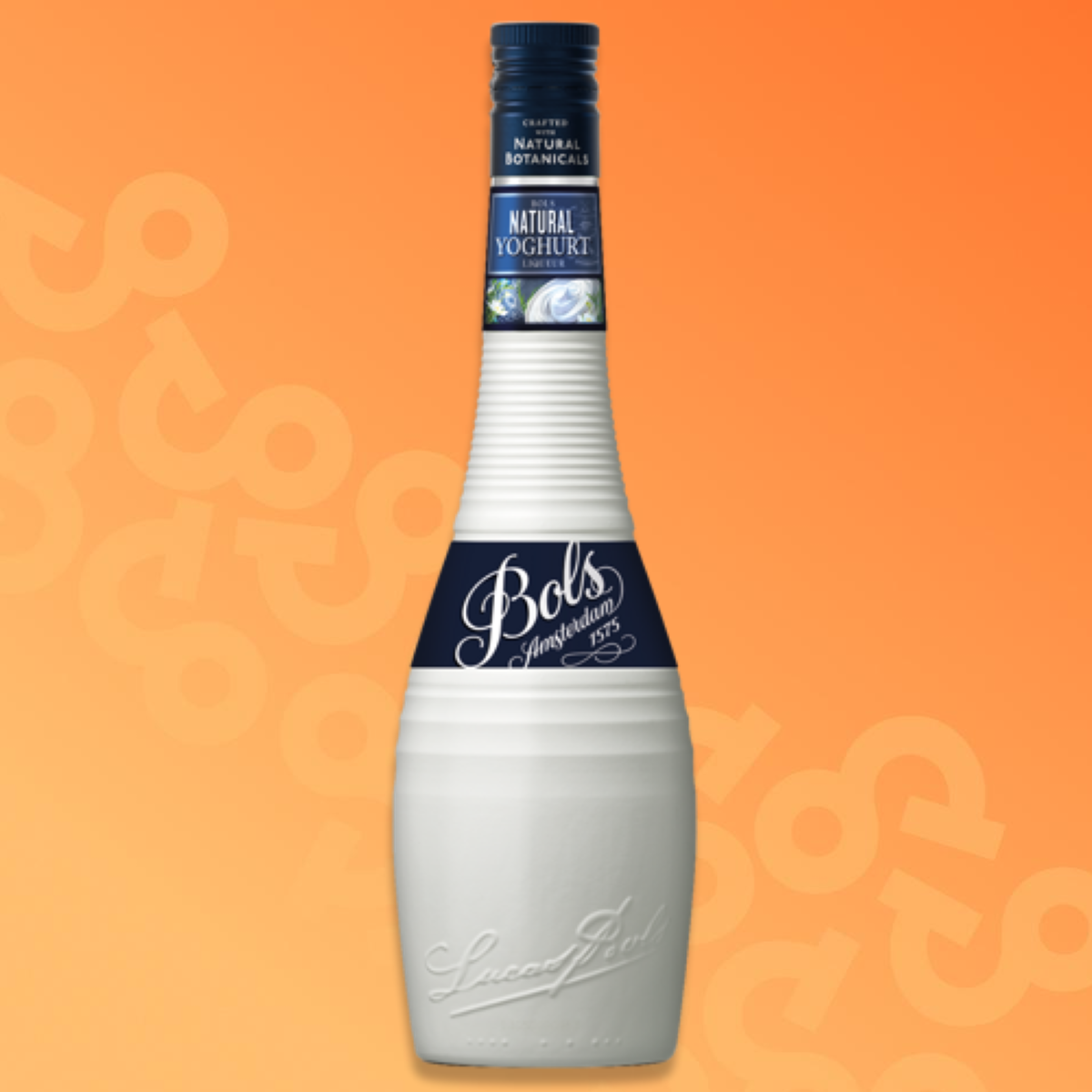
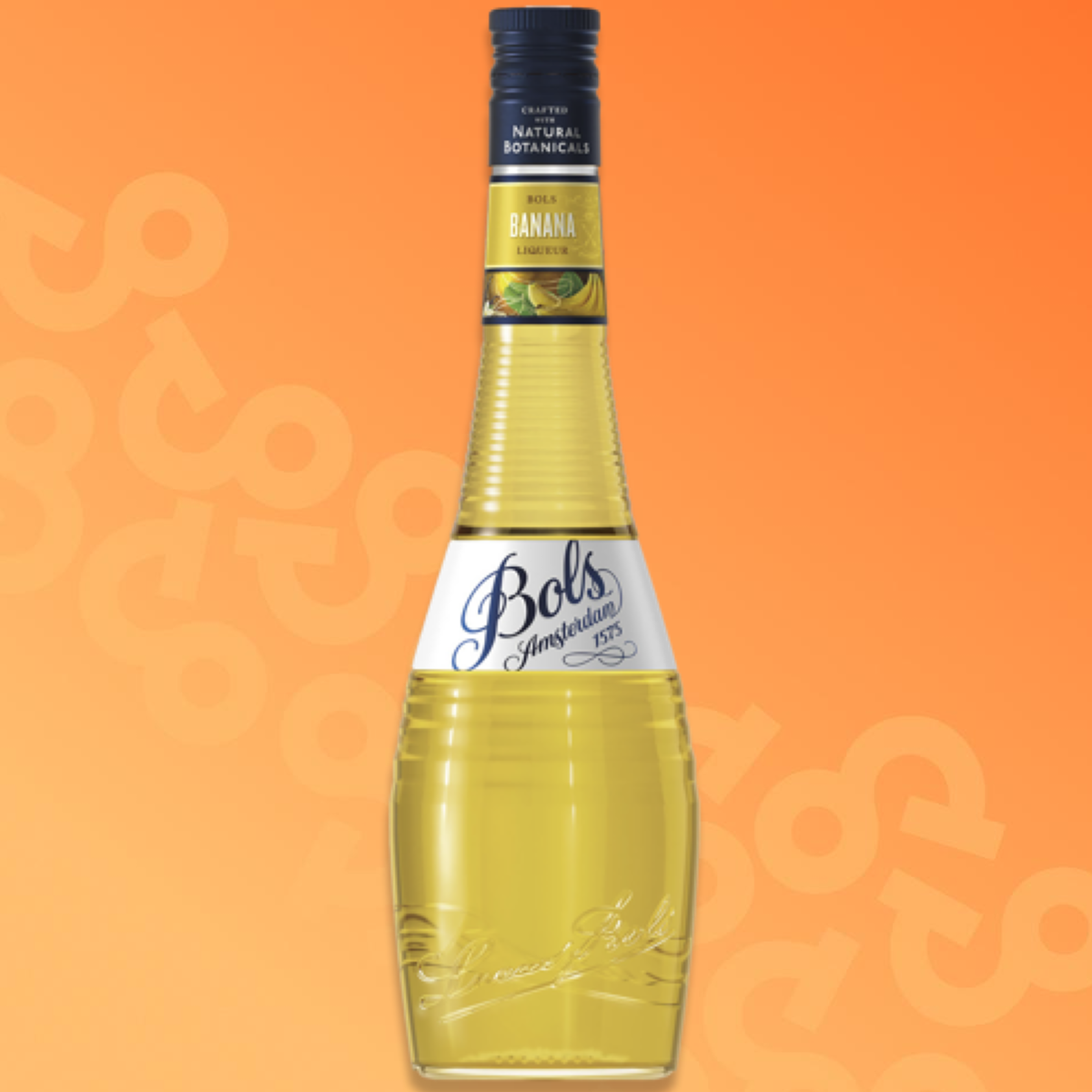
Want the bottle delivered straight to your door? Order liqueur online from Gall & Gall. Gall & Gall has 395 varieties, 72 of which are on sale.
Prices as of November 20, 2026, as provided by Gall & Gall. You can check the current price and stock at Gall & Gall. Glazen.nl receives a small commission if you buy anything through these links; it costs you nothing extra. No 18, no alcohol.