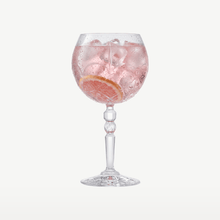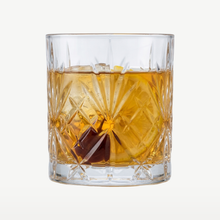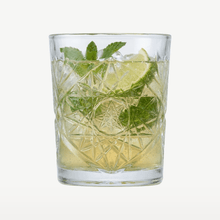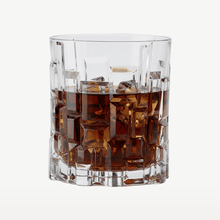
Wine
Wine is fermented grape juice. Its color isn’t in the juice; it comes from the skin. On this page, you can learn what’s in the bottle, how the same grape can produce white, rosé and red wine, and which glass to choose.


Wine by type
Know which direction you want to go? We have a dedicated page for each type, covering the grapes, flavor, temperature and the right glass.
White wine
From crisp sauvignon blanc to full-bodied chardonnay aged in oak.
More about white wine →Red wine
Merlot, cabernet sauvignon and the rest, what oak does to wine, and how warm to serve it.
Go to red wine →Rosé
Wine made from dark-skinned grapes, with the skins left to steep for only a short time. Serve chilled, at 8 to 10 degrees.
Go to rosé →
Champagne
Only sparkling wine from the Champagne region may be called champagne. Here, you can also learn what brut and demi-sec mean.
Go to champagne →
Prosecco
What prosecco is, how dry or sweet it can be, and which glass it tastes best in.
Go to prosecco →
Cider
Made from apples, not grapes. That’s why it has its own page and its own glasses.
Go to cider →On our drinks page, you’ll find every type and brand we cover, from wine to whisky.
The color comes from the skin, not the juice
Grapes always yield colorless juice, even when they’re blue. Wine gets its color from the skin. So whether you get white, rosé or red depends not on the grape, but on how long the skins stay in the must. For red wine, that’s 24 hours; for rosé, 8 to 14 hours; and for white wine, they’re usually left out. The longer the contact, the darker the wine. So the difference between rosé and white wine is simply the skin. Rosé is made from blue grapes, not a blend of white and red wine. Mixing white and red isn’t even allowed in the EU. Rosé champagne is the only exception.
It starts with the harvest. Hand-picking lets you leave unripe or poor-quality bunches on the vine right away. A machine can’t do that. The grapes are then crushed and usually destemmed. This releases the flavor compounds found in and beneath the skin. The must ferments slowly, turning the sugars into alcohol. Wines high in malic acid, such as a full-bodied Chardonnay, then undergo a second fermentation. The malic acid becomes softer lactic acid. After filtering, some of the wine is aged in oak barrels. This doesn’t work for every wine. It gives Chardonnay richness and warmth, with notes of vanilla, butter and even caramel. The same grape stays fresh and crisp when fermented in a stainless steel tank.
In brief
Five bottles that show just how broad the selection is
A dry white, a sweet sparkling wine, a non-alcoholic bottle, and two in between. Together, they show just how different wines can be.
Dry white wine
Light, fresh Loire Sauvignon Blanc. You can taste citrus, cut grass and gooseberries, and it’s very easy to drink.

Red wine
Made from tempranillo, graciano and garnacha, full-bodied in the glass. Crianza means this Rioja has spent a year in oak barrels. You can taste it in the black fruit, cigar boxes and leather.
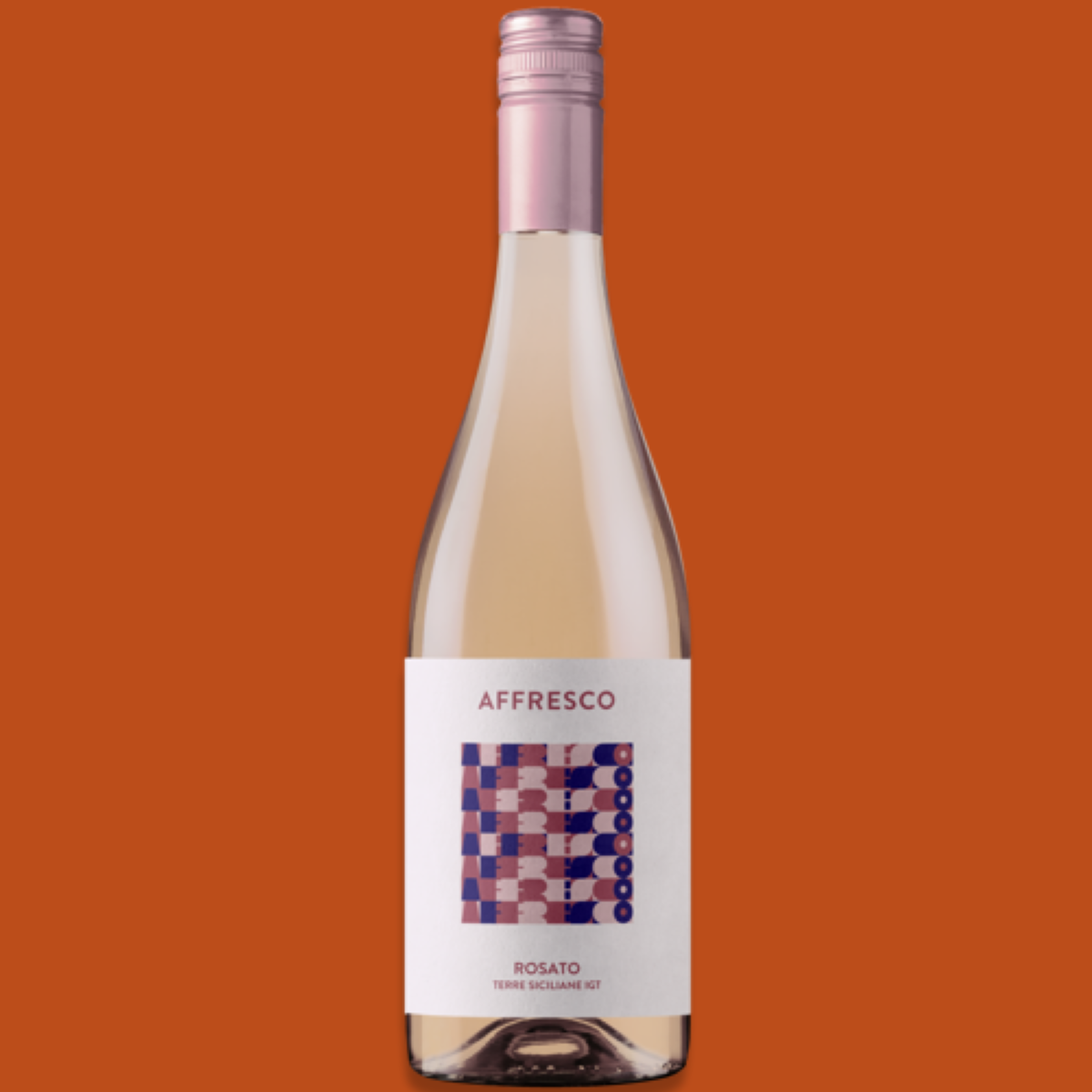
Rosé
Salmon-pink rosé made from grenache, syrah, cinsault and carignan. Full-bodied yet silky smooth, with peach and light red summer fruit.

Sweet sparkling wine
Sweet sparkling wine made from the muscat grape. It smells of white flowers, table grapes and pears. It contains 12.5 grams of sugar per 100 milliliters, so this is the sweet end of the selection. At 5%, it's also the lightest.

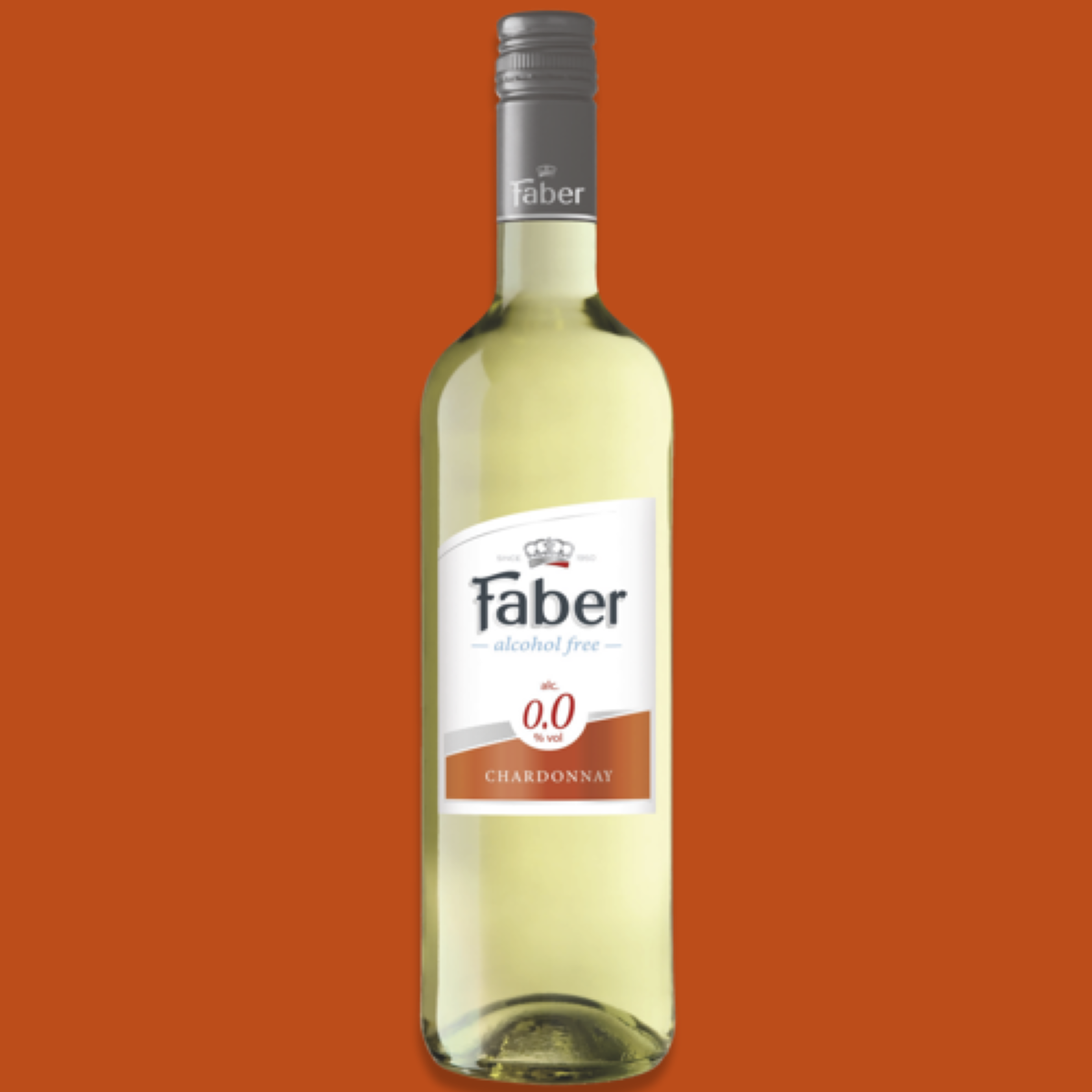
Alcohol-free wine
Alcohol-free chardonnay from the Palatinate, smooth and full-bodied. Slightly sweet, with citrus, star fruit and vanilla.
Each type has its own page with the grapes, flavor, temperature and glass.
From crisp and fresh to full-bodied and spicy
Citrus, apple and sometimes vanilla
Sauvignon blanc is crisp and fresh, with citrus, cut grass and gooseberries. Pinot grigio is light, with green apple, pear and citrus. Is chardonnay white or red? White, and that grape can go in two directions. Crisp and mineral from a stainless steel tank, or rich and creamy with vanilla and butter after oak aging.
Peach and red summer fruit
The skins are left to soak for just 8 to 14 hours, so the blue grapes mostly contribute fruit flavors. Peach and light red summer fruit, soft and fruity.
From red fruit to firm tannins
Pinot noir is on the lighter side. Fresh and fruity, with red berries, cherries and raspberries and soft tannins. Cabernet sauvignon is at the other end of the spectrum. Blackcurrants, cedarwood and plenty of tannins, which soften in oak barrels.
This is an average across the whole selection. Moscato is much sweeter, sauvignon blanc is fresher, and cabernet sauvignon is more full-bodied.
How to pour wine
Temperature matters more to wine than you might think. Beyond that, it comes down to pouring gently and putting the bottle away in good time.
At the right temperature
Serve fresh, very fruity white wine at 8 to 10 degrees. Full-bodied, aromatic white wine at 10 to 12, and chilled rosé at 8 to 10. Fruity red wine tastes best at 14 to 16 degrees, while powerful, full-bodied red is best at 18. Too warm? The fruit disappears and you mostly smell alcohol. Too cold? You’ll smell less and the acidity will dominate.
To the glass →To decant or not
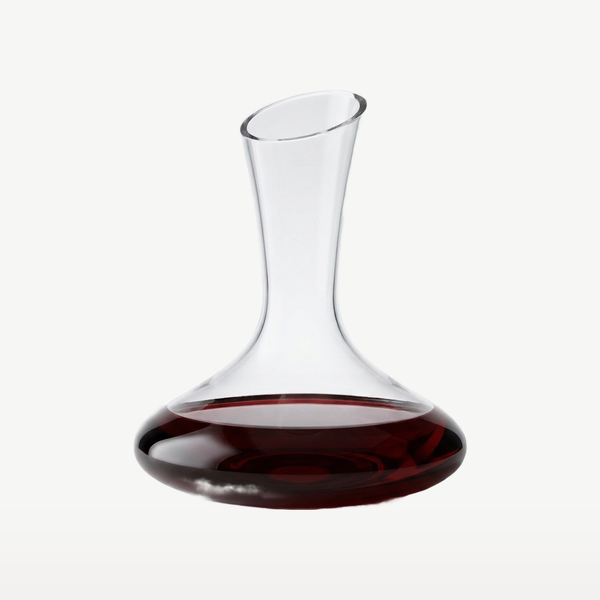
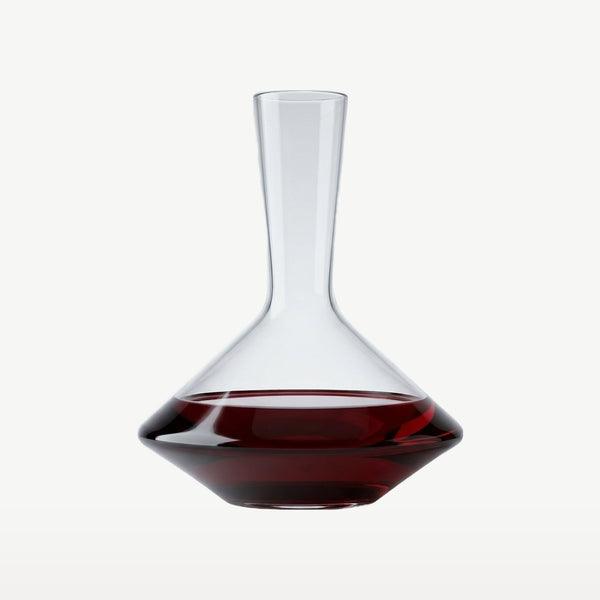
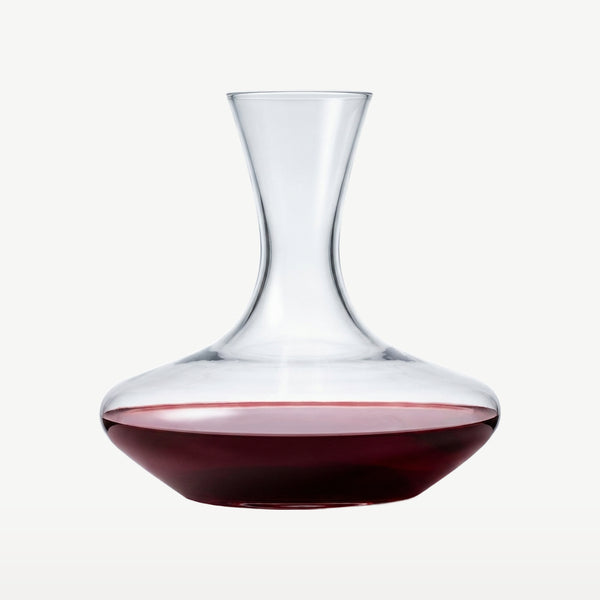
Decanting literally means pouring from one vessel into another. The wine gets more oxygen, allowing its aromas and flavors to open up. Young, tight red wine really needs this. Old wine doesn’t; it develops too quickly. Decant it half an hour to three hours beforehand. Stand an old bottle with lots of sediment upright a day in advance.
Decanters →Pouring and storing
A 75 cl bottle makes about six glasses. Pour red wine to just below the widest part of the glass, so you can swirl it without spilling. White wine and rosé can be poured just above that point. Store an opened bottle in a dark place that’s slightly warmer than your fridge.
More about storage →Wine cocktails
A wine cocktail almost never contains still wine. Usually, a sparkling wine is the base. Open a bottle of dry sparkling wine for these four classics.

Kir Royal
Pour crème de cassis into the glass, then slowly top up with a dry sparkling wine.
Bellini
Add peach purée to the bottom and top up with dry sparkling wine.
Mimosa
Half orange juice, half bubbles. That’s all you need.
Non-alcoholic spritz
Made like a spritz, but with a non-alcoholic sparkling wine.The right wine glass
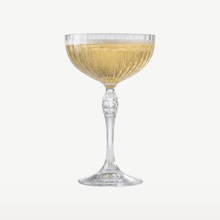
A wine glass consists of a base, a stem, and a bowl, from bottom to top. The aromas linger in the bowl. Hold the glass by the stem so your hand doesn’t warm the wine. These are the glasses we recommend ourselves.


Questions about wine
Can’t find your question here? Check out our cocktail recipes or send us a message.
To the cocktail recipes →What is wine, and what percentage of alcohol does it contain?
What’s the difference between rosé, white, and red wine?
Is rosé a blend of red and white wine?
At what temperature should you serve wine?
How many glasses are in one bottle of wine?
How long does an opened bottle of wine last?
Which wine glass do you need?
Buy wine
Want the bottle at home right away? Order wine online at Gall & Gall. Gall & Gall has 1,769, of which 230 are on sale.
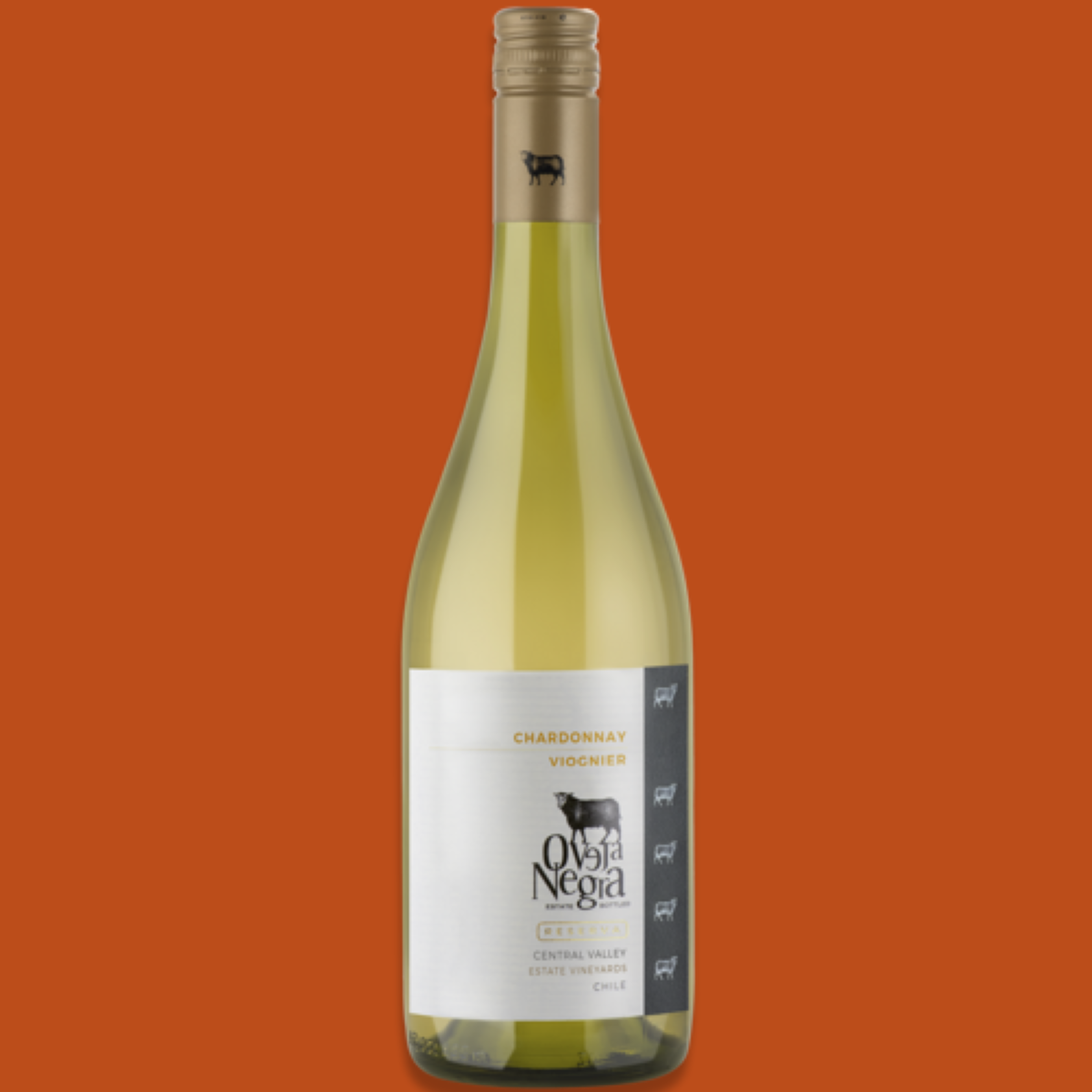
Oveja Negra Reserva Chardonnay Viognier
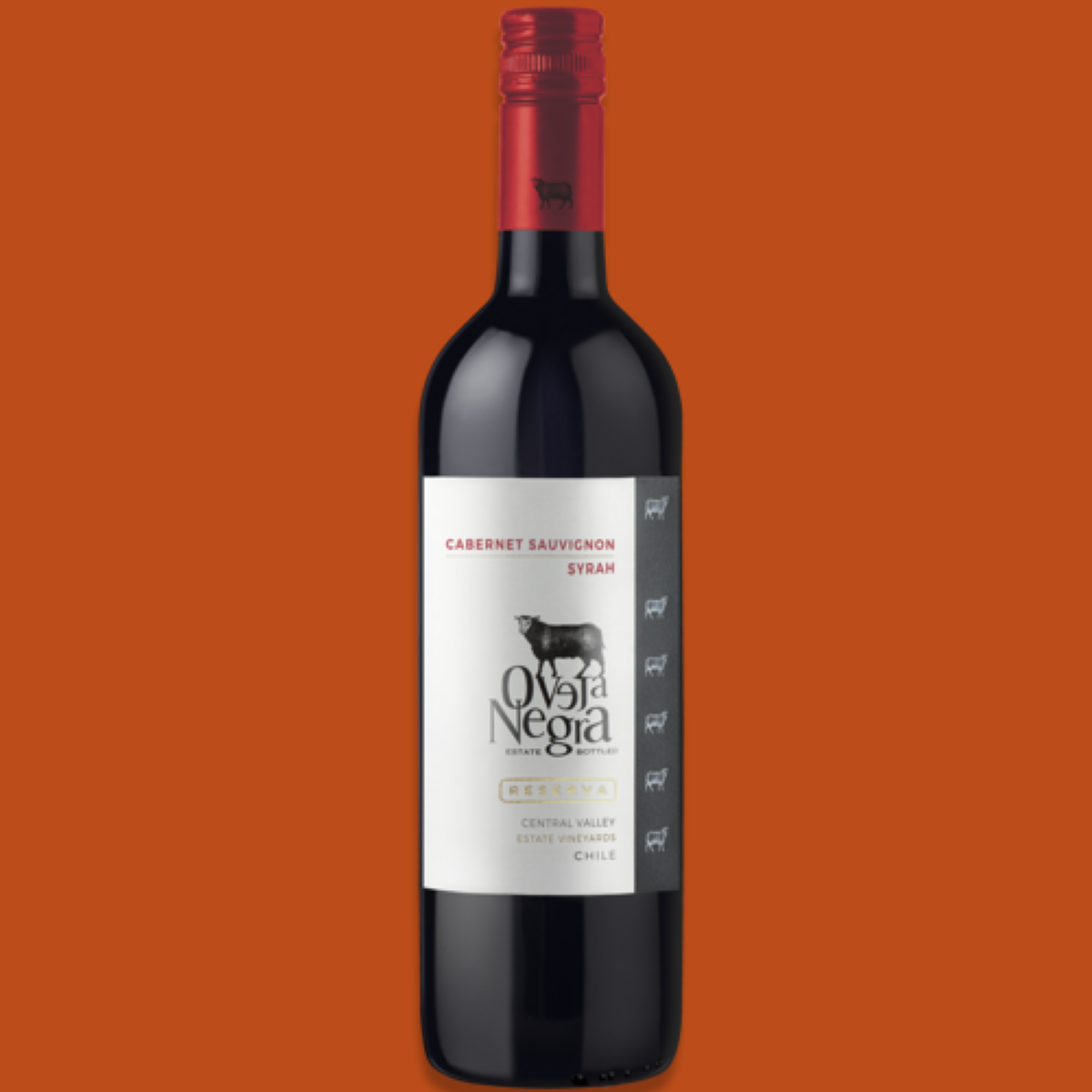
Oveja Negra Reserva Cabernet Sauvignon Syrah
Prices as of November 22, 2026, as provided by Gall & Gall. You can see the current price and stock at Gall & Gall. Glazen.nl receives a small commission if you buy something through these links; you pay nothing extra. No 18, no alcohol.