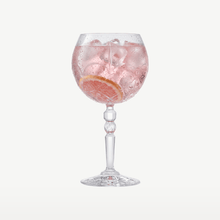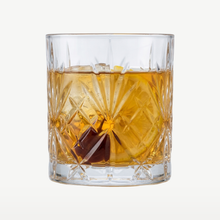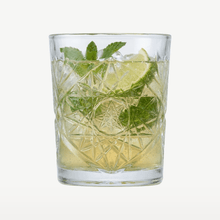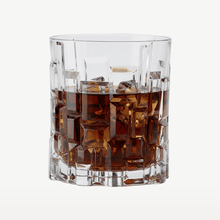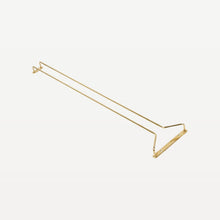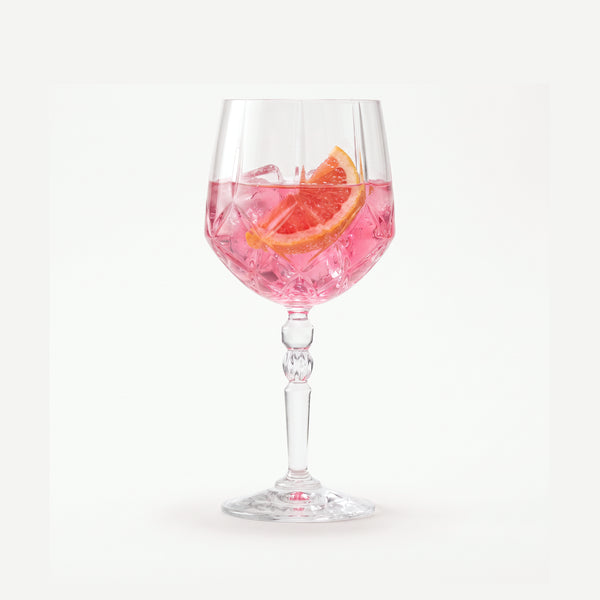
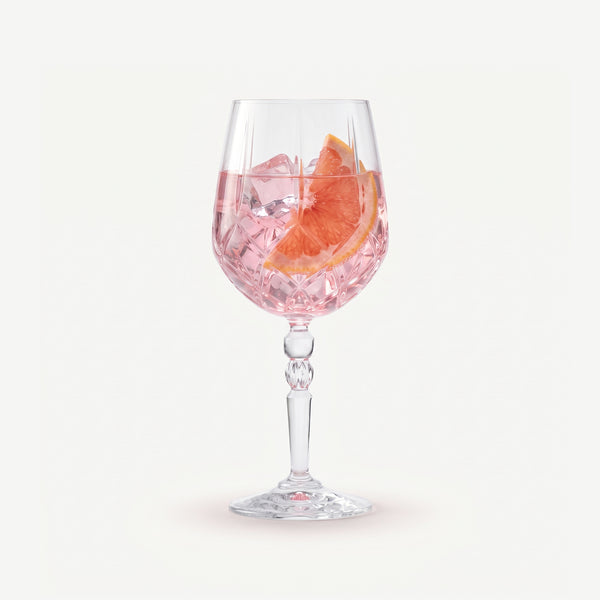
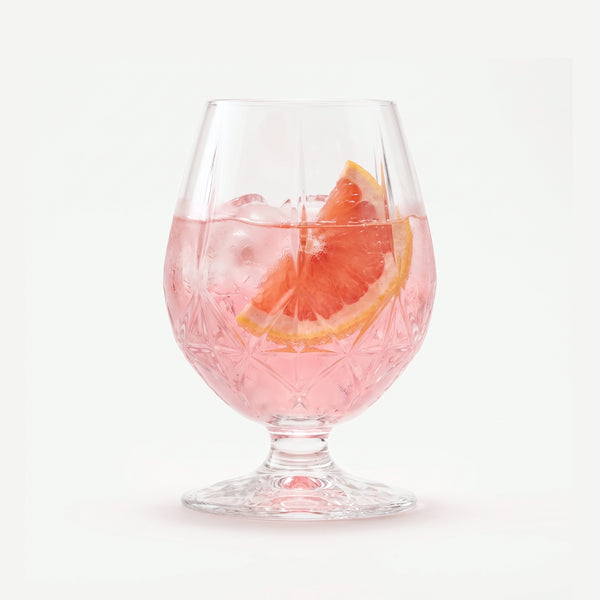
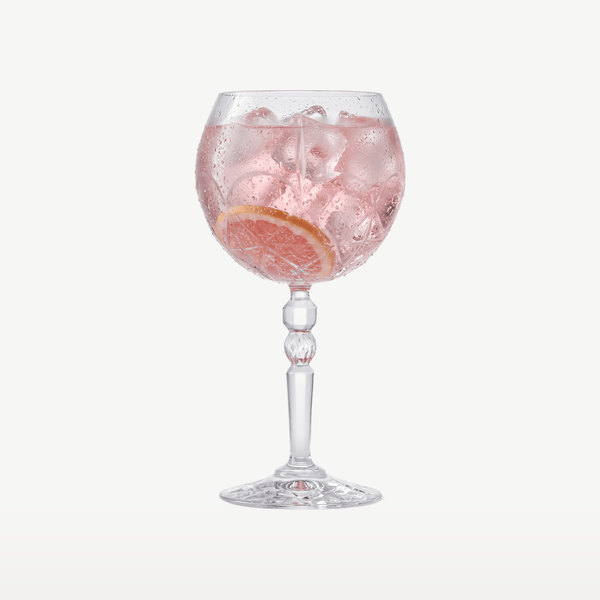
RCR Alkemist Cognac / Gin and Tonic Glass 53 Cl Low - 6 Pieces
Aperitif
An aperitif is a drink you have before the meal is served. It could be an orange spritz on a terrace, or simply vermouth over ice. Low in alcohol, bitter or herbal, and meant to whet your appetite. Below, you'll find out what types there are, how to drink them, and which glass to use.


The best-known aperitif brands
With these four bottles at home, you can make almost any classic aperitif cocktail. Two are bitters, and two are wines.
Aperol
From Padua, made since 1919. Orange, rhubarb, and gentian at 11%, making it the lightest of the four. It's really made for a spritz.
About Aperol →Campari
Bright red and sharply bitter, from Milan, with a recipe from 1860 that's still a secret. Strong stuff. No Campari, no Negroni or Americano.
About Campari →Martini
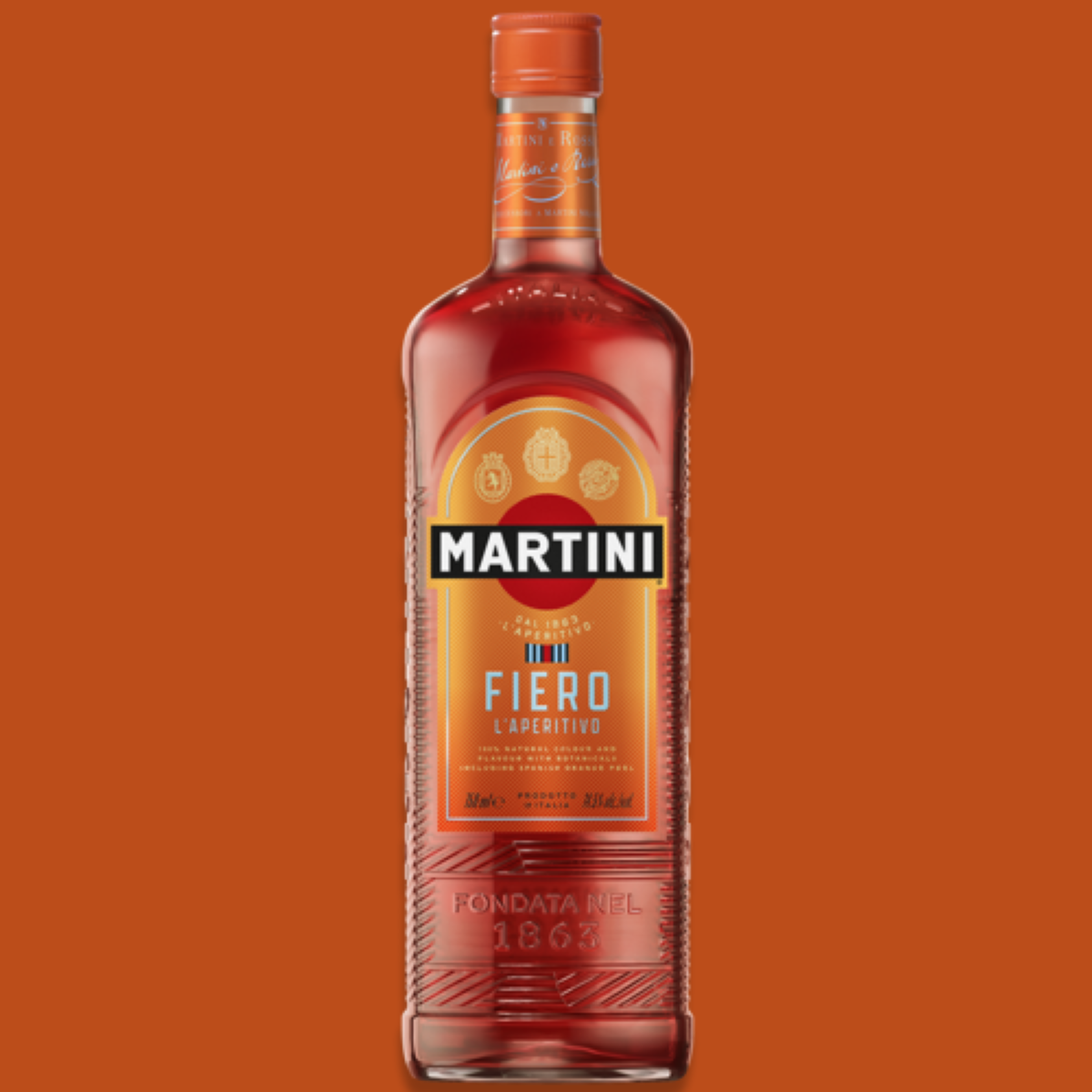
Vermouth from Turin, made since 1863. It comes in Rosso, Bianco, Extra Dry, and Fiero. It's wine with wormwood and herbs, so keep an open bottle in the fridge.
About Martini →
Lillet
Aperitif wine from Podensac, made from Bordeaux wine with citrus liqueur and quinine. Fresh, with a hint of honey. Most people know it from the spritz with tonic or the Vesper.
About Lillet →Every aperitif at a glance, by brand
5 brands and 7 varieties, each with its own page about flavor, cocktails, and the right glass.


Light, bitter, and appetite-stimulating
There's no law that defines an aperitif. It's more of a function: the glass before dinner. Still, the bottles that fill that role have a lot in common. They're low in alcohol, usually between 11 and 25%. And they're bitter, herbal, or both. That bitterness is exactly what matters. Bitterness gets your saliva flowing and makes you hungry, while something sweet or heavy actually curbs your appetite. So it's no surprise that the best-known names come from Italy and France. There, aperitivo hour is simply part of the day.
On the shelf, you'll find two families. First, bitter aperitifs: liqueurs made with herbs, roots, and peels. Everyone knows Aperol at 11% and Campari at 25%. Then there's vermouth, which is a different matter entirely. Vermouth is wine with added alcohol, herbs, and wormwood. Without wormwood, it can't be called vermouth. The big names are Martini from Turin and Noilly Prat from Marseillan, at 14.5 to 18%. Lillet belongs alongside them: an aperitif wine from Bordeaux with citrus liqueur and quinine.
This makes a big difference when it comes to storage. A bitter aperitif is distilled and sweetened, so it can stay in the cupboard for years. Vermouth and aperitif wine are wines. Once opened, the bottle starts to oxidize. So refrigerate an open bottle of vermouth, and it'll keep for a month or two. Leave it out, and it will lose its freshness within a few weeks. You'll taste it right away in a Dry Martini or Americano.
In brief
Six bottles for aperitivo hour
The key question is whether you have a bitter liqueur or a wine. The liqueur is sweet and intensely bitter. The wine is lighter and more herbal, and doesn't last nearly as long once opened.
Light bitter aperitif
Bittersweet liqueur made with orange, rhubarb and gentian, with a low alcohol content. It tastes sweeter than you might expect and is made to be diluted with prosecco and sparkling water.
Strong bitter aperitif
Same family, just much more intensely bitter and with almost twice the alcohol. Herbs, roots and bitter orange peel, balanced by a sweet core.
Red vermouth
Wine with wormwood, herbs and caramel. Sweet and warm in flavor. Mix it with gin or whiskey in a Negroni, Americano or Manhattan.

White vermouth
White and sweet, with vanilla and floral notes where the red has caramel. Our most popular vermouth, almost always served with tonic and a generous scoop of ice.

Dry vermouth
Dry and slightly salty, from the south of France, with notes of chamomile and nuts. It’s often quite pleasant on the rocks, but most people know it as the small measure in a Dry Martini.
Aperitif wine
Strictly speaking, it’s not vermouth, because it doesn’t contain wormwood. Lillet is Bordeaux wine with citrus liqueurs and quinine. Fruitier and more floral, with a gentle bitterness that only comes through in the finish.
A herbal bitter, a dry sherry or simply a glass of prosecco also works perfectly as an aperitif.
Bitter up front, with herbs and orange
Orange peel & herbs
You almost always smell citrus peel, followed by herbs, roots and something medicinal. Vermouth adds notes of wine, vanilla and dried flowers.
Sweet start, bitter middle
It starts sweet. Then comes the bitterness of gentian, wormwood or quinine. Because the alcohol content is low, it feels light and fresh, not warm.
Dry and short
Dry and bitter, leaving your mouth feeling clean and ready for the next sip. That’s exactly the point just before a meal.
These are averages for the entire category. Campari scores 5 for bitterness and 3 for strength. A white vermouth scores around 4 for sweetness and around 1 for bitterness.
How to drink an aperitif
Cold, early in the evening and in a small serving. The glass can be large, but the portion shouldn’t be. You want to work up an appetite, not get tipsy before dinner.
As a spritz
It’s already on the bottle. 3 parts prosecco, 2 parts aperitif and 1 splash of sparkling water. Fill a large wine glass with ice, pour in that order and add a slice of orange. If you use Campari instead of Aperol, the same spritz will be a lot more bitter.
Spritz recipe →As an Americano or Negroni
To make an Americano, pour 3 cl of bitter and 3 cl of red vermouth into a highball glass full of ice. Top with sparkling water and twist an orange peel over it. Replace the sparkling water with gin and it becomes a Negroni, stirred in equal parts over one large ice cube.
Americano recipe →Vermouth neat on ice
Pour 5 cl of chilled vermouth over two large ice cubes in a tumbler and add a slice of orange. This is how they drink it in Turin. Only then can you really taste what the herbs and wormwood do. If you have dry vermouth, a twist of lemon is a better choice.
The right glass →Classic aperitif cocktails
These four recipes rely on the same two bottles: a bitter and a vermouth. Just change the spirit and you have another classic.

Aperol Spritz
Prosecco, Aperol and a splash of sparkling water over plenty of ice.
Negroni
Equal parts gin, Campari and red vermouth. Three ingredients, no guesswork.
Americano
Campari, red vermouth and sparkling water. The lightest of the family.
Negroni Sbagliato
A Negroni that accidentally got prosecco instead of gin.The right glass for an aperitif
For a spritz, you want a large glass that can hold plenty of ice. A Negroni belongs in a heavy tumbler with one large cube. These are the glasses we’d choose ourselves.


Questions about aperitifs and aperitifs
Can't find your question? Browse our cocktail recipes or get in touch.
To the cocktail recipes →What exactly is an aperitif?
What percentage of alcohol is in an aperitif?
What's the difference between Aperol and Campari?
What is vermouth, and why does it contain wormwood?
Should vermouth be refrigerated after opening?
Which glass should you use for an aperitif?
Buy aperitifs
Want the bottle delivered to your door? Order aperitifs online from Gall & Gall. Gall & Gall has 18 of them.
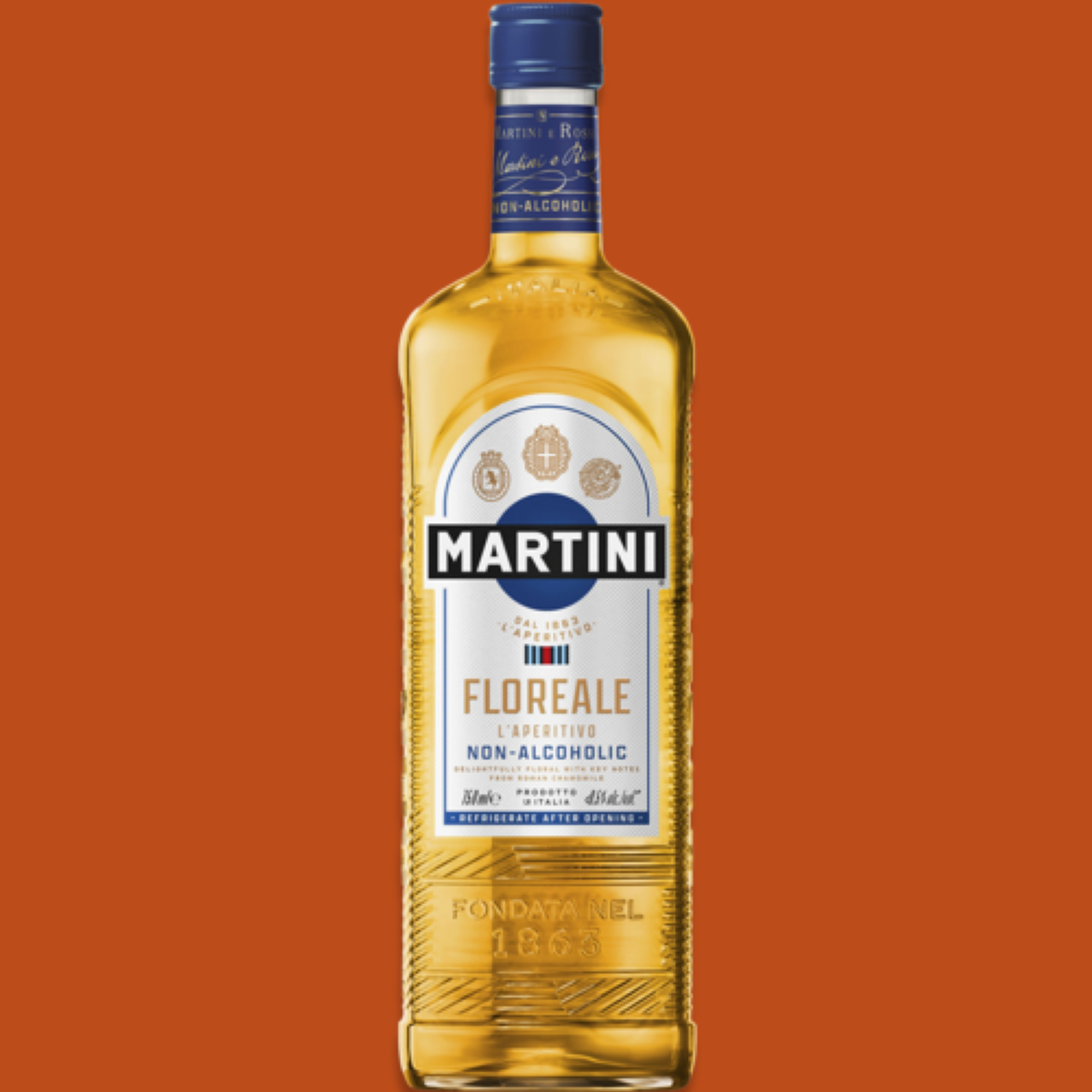
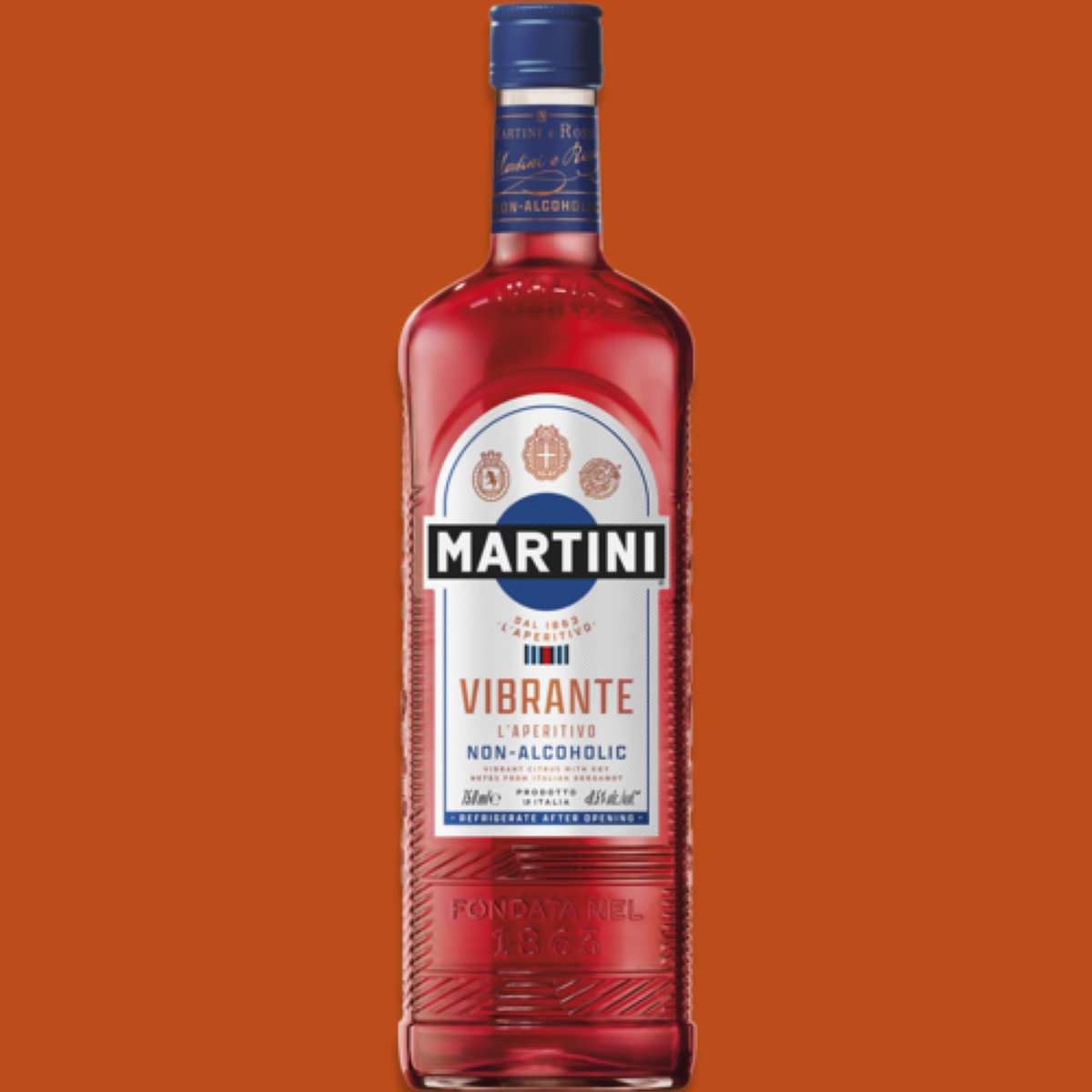
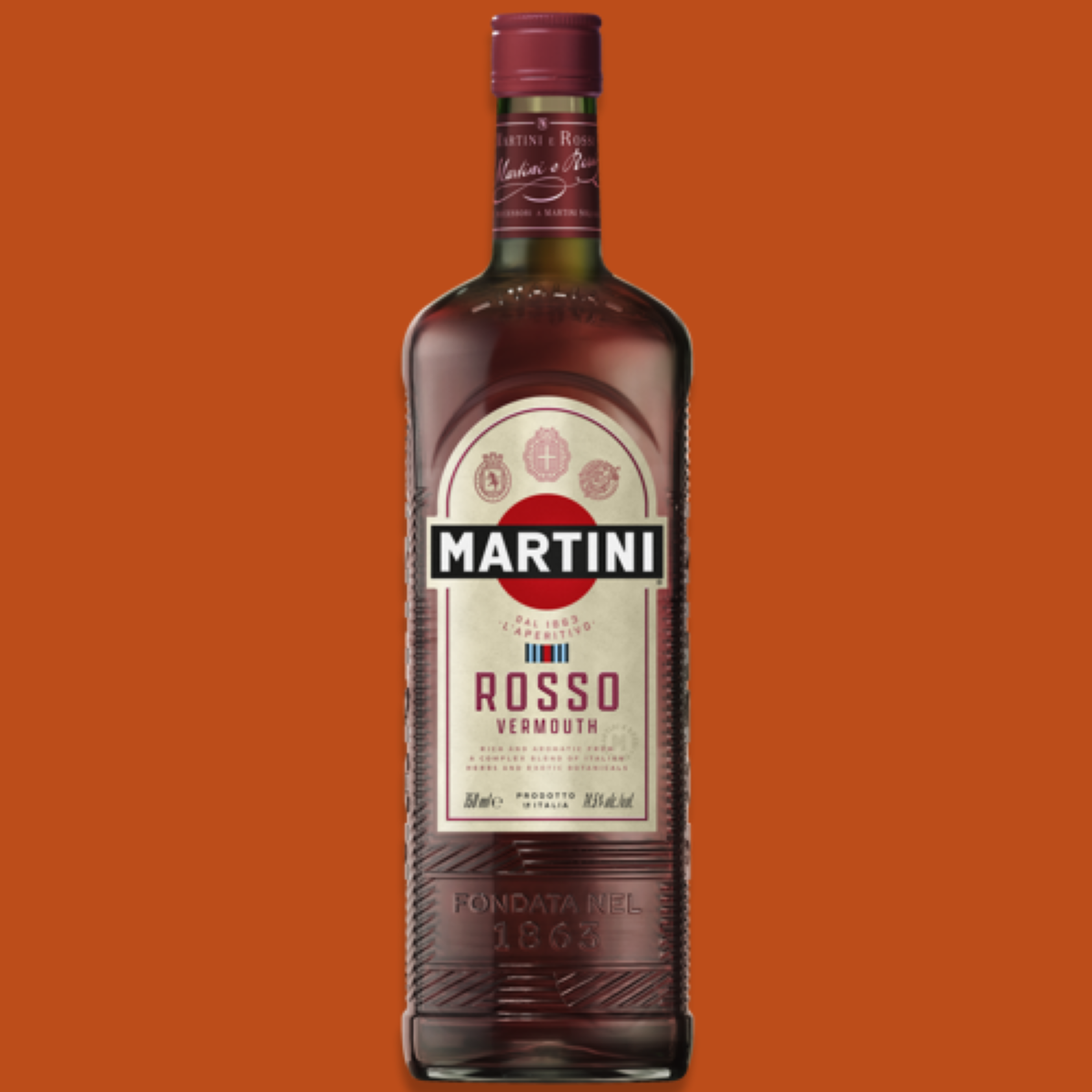
Prices as of November 21, 2026, as provided by Gall & Gall. You can see the current price and stock at Gall & Gall. Glazen.nl receives a small commission if you buy something through these links; it won't cost you anything extra. No 18, no alcohol.