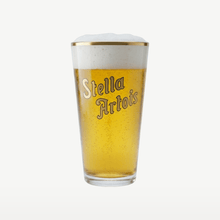
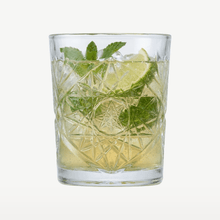
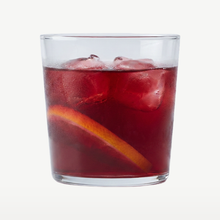
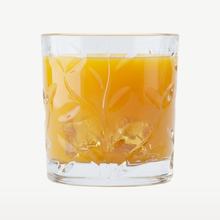
Schott Zwiesel Show Whiskey Glass 33.4 cl - 6 Pieces

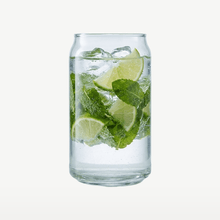
Chef & Sommelier Vigne Kwarx Tumbler 20 Cl - 6 Pieces

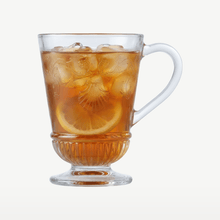
Eclat Longchamp Tumbler 23 Cl - 6 Pieces

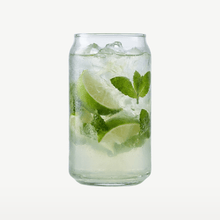
RCR Tattoo Tumbler 34 Cl - 6 Pieces

The Caipirinha recipe
for your table
Place the lime wedges and sugar at the bottom of a sturdy glass.
Press the lime with a muddler to release the juice and oils from the peel.
Fill the glass with crushed ice and pour the cachaça over it.
Stir vigorously from the bottom up and add a short straw.
What did you think of this recipe?
One click on a star is all it takes. If you'd like to add a comment, we'll review it before it appears here.
Save this recipe
Send the Caipirinha recipe to your own email so you have it handy when you make it. You'll also get a € 5 discount code on purchases of € 50 or more, for the glasses that go with it.
The story
Caipirinha means something like “little country girl” in Portuguese. The cocktail originated around 1918 in the state of São Paulo, probably as a home remedy for the Spanish flu made with lime, garlic and honey. The garlic was later removed. Sugar and plenty of ice took its place, turning a medicine into a party drink. Cachaça is South America's oldest distilled spirit, made from fresh sugarcane juice, while rum is made from molasses. The rest of the world really got to know it during the 2014 FIFA World Cup and the Rio Games. Brazilians had already been drinking it for a century.
The right glass
You make a Caipirinha right in the glass. That’s why you want a low tumbler with thick walls that can withstand a muddler. We choose a 32 to 37 cl model with a heavy base, so you can muddle the lime without worry. The wide opening makes it easy to stir and shows off the green lime beautifully. You can later use the same glass for an Old Fashioned or whisky on the rocks. Looking for a thick-walled glass that can take a beating? Browse our old fashioned glasses.

RCR Adagio Tumbler 35 cl (6 pieces)

Eclat Longchamp Tumbler 32 cl (6 pieces)
Both sets together € 62,90.
The right tools
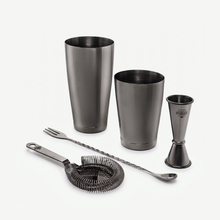
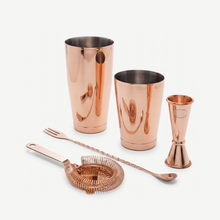
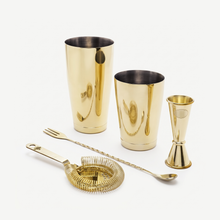
For a Caipirinha, alongside the glass, you’ll need a muddler, a bar spoon for stirring, a jigger for precise measuring, large ice cubes and glass straws. These are the bar tools we use ourselves; you can find them all in our bar tools & cocktail sets.


Glass set (our pick 01) + 5 bar tools for € 111,70.
Variations & twists
Make it with vodka and it's called a Caipiroska. Use sake and it becomes a Caipisake. But cachaça remains the heart of this drink. Try muddling in some strawberries, passion fruit or kiwi, too. In Brazil, they order caipifruta just as often as the original. Brown cane sugar gives it a deeper, almost caramel-like flavor. Fresh passion fruit makes a Passion Fruit Caipirinha. Craving something creamy with cachaça? Try the Batida de Coco. Looking for more ideas? Browse over 100 cocktail recipes.
Serving tip
Roll the lime firmly on the counter before cutting it. You'll get more juice out of it. No cachaça at home? Grab vodka and you've got a Caipiroska. Also delicious, though the party will be a little smaller.
Good to know
How to muddle the lime properly
Cut the lime into eight wedges and remove the white core. That's where the bitterness is. Put the wedges in a thick-walled glass with two teaspoons of cane sugar and press them with the muddler. Twist and press, don't pound. The sugar granules scrape against the peel and draw out the oil. That oil is what makes the difference between lemonade and a real Caipirinha. Five or six presses should do it. If you keep going until the peel breaks, you'll taste the bitter white pith after all.
Caipirinha or Mojito
Both are refreshing, both are green, and both are built around lime. But their bases are very different. Cachaça comes from freshly pressed sugarcane juice, which gives it a slightly grassy, a little wild character. Rum is made from molasses, what's left over after sugar is made, and tastes rounder and sweeter. The Mojito also gets mint and sparkling water, making it a long, thirst-quenching drink. A Caipirinha stays short and concentrated: 6 cl of cachaça in a glass full of crushed ice, and nothing else. That's why one is so much stronger than the other.
Caipiroska and other substitutes
No cachaça at home? Most people reach for vodka and call it a Caipiroska. It tastes more neutral and cleaner, without the grassy notes. With sake, you can make a Caipisake, which is softer and a little sweet from the rice. White rum also works, but then you're getting close to a Mojito without the mint. Honestly, cachaça is what makes this cocktail what it is. You can buy a bottle for around twenty euros. Choose a cachaça prata, which is clear and unaged. The aged golden bottles are better enjoyed neat.
How much alcohol does it contain?
The glass contains 6 cl of cachaça, usually 38 to 48 percent alcohol. Plus just lime, sugar, and ice. Once some of the crushed ice has melted, you're looking at roughly 15 to 20 percent alcohol. That's about twice as much as a glass of wine, and quite a bit more than a Mojito, which stays under 10 percent thanks to the sparkling water. It doesn't taste very strong because it's so refreshing, so it's often underestimated. To make it a little lighter, pour in 4 cl of sparkling water after stirring.
Brazilian drink caipirinha in brief
The Brazilian character comes from the cachaça. That name can only go on the bottle if the drink was distilled in Brazil from freshly pressed sugarcane juice. So the caipirinha cocktail isn't derived from anything else. It has its own origins and its own flavor. If you're making caipirinhas for a group, muddle them glass by glass, not all in one pitcher. The lime oil evaporates, and wedges left in the drink too long make it bitter after a while.
With rum instead of cachaça
You’ll often see the term caipirinha rum online, but the authentic recipe calls for cachaça. Both are made from sugarcane. The difference is that cachaça is distilled from fresh juice, while rum is usually made from molasses. If you do choose white rum, you’re making a Caipirissima. Choose a dry, unaged rum, not spiced rum. Vanilla and cinnamon clash with the oils from the lime. If you want your caipirinha cocktail to be as close to the original as possible, choose a rum that isn’t too sweet.
Frequently asked questions
What goes into a Caipirinha?
It contains 6 cl of cachaça, one whole lime cut into eight wedges, and two teaspoons of cane sugar, topped with crushed ice. That’s all. First, muddle the lime with the sugar in the glass to release both the juice and the oils from the peel.
What is the difference between a Mojito and a Caipirinha?
The difference is in the spirit and the mint. A Mojito is made with white rum, mint, and sparkling water. A Caipirinha contains cachaça, lime, and cane sugar, with no mint or fizz. Cachaça is made from fresh sugarcane juice, while rum is made from molasses, which gives the Caipirinha a grassier, more direct flavor.
What is the alcohol content of a Caipirinha?
In the glass, it comes to roughly 15 to 20 percent alcohol. The 6 cl of cachaça is usually 38 to 48 percent alcohol and is diluted only by lime, sugar, and melting ice. It tastes refreshing, but it’s one of the stronger cocktails.
What can you use instead of cachaça in a Caipirinha?
Use vodka, and it’s called a Caipiroska. With sake, you get a Caipisake. Both are delicious, though you miss the grassy depth of cachaça. Always muddle in a thick-walled glass, like our tumbler glasses.
Everything for your bar,
to one address
Hospitality-quality glasses, sold in sets. Order today, delivered fast.
Shop the glasses →