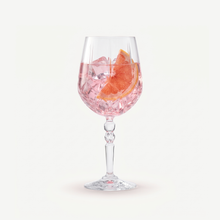
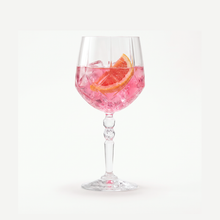
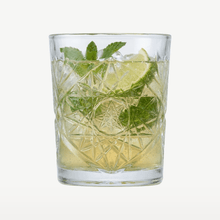
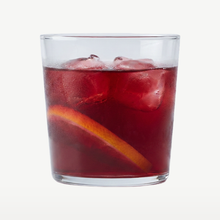
White wine
How sweet a white wine tastes depends on one thing: how much sugar the yeast converts into alcohol during fermentation. If almost all of it is converted, you have a dry wine. If sugar remains, you'll taste it. Below, we've lined up six bottles, from dry to sweet, along with the glass to use for each.


White wine by grape
You'll find these four grapes in almost every wine shop, from bone-dry to dessert-sweet. We've made a separate page for each grape covering its taste, food pairings, and the right glass.
Chardonnay
From an oak barrel, it's smooth and buttery, with vanilla and caramel. From a stainless steel tank, it's lighter and fresher.
About Chardonnay →Sauvignon blanc
Citrus, green apple, gooseberry, and a hint of herbs. Always a great match for goat cheese and vegetables.
About Sauvignon blanc →
Verdejo
The signature grape of Rueda. You'll taste green melon, citrus, fennel, and white peach.
About Verdejo →
Moscato
The Muscat grape is behind many dessert wines. Think apricot, peach, orange, and vanilla.
About Moscato →The juice is colorless; the skin makes the difference
Green or yellow grapes are used for white wine, and sometimes even blue ones. That’s possible because grape juice is always colorless. The color is in the skin. For white wine, the skins don’t go into fermentation, so the wine stays light and often tastes fresh and fruity. Look at the rest of the shelf and you’ll see how it works. For rosé, the skins are left in the must for eight to fourteen hours, and the longer they stay, the darker the wine. For red wine, they ferment together with the juice throughout. So white, rosé and red all come from the same colorless juice, and only take their separate paths when the skins are involved. After primary fermentation, white wine is filtered and usually rests for a few months in stainless steel tanks.
Whether a wine is dry or sweet depends on when fermentation stops. If almost all the sugar is converted into alcohol, little remains, and citrus and apple notes come through. If fermentation stops earlier, residual sugar remains, and you can taste it. To make these wines, winemakers usually choose grapes that are naturally high in sugar. Riesling shows how one grape can go in two directions. Its acidity is always high, but the wine can be dry or sweet. And Chenin Blanc is made in every style, from bone-dry to sweet. So you can’t rely on the grape listed on the label alone. The winemaker’s style tells you more.
In brief
Six bottles, from dry to sweet
They all look the same in the glass. But they taste very different. The further down you go, the more sugar remains in the wine and the lower the alcohol percentage.

Pinot Grigio
Smooth and fresh. You can taste peach, grapefruit and lime with a hint of spice, and the finish is soft and long. It usually has very little residual sugar, so it’s often the driest bottle in the lineup.
Sauvignon blanc
Citrus, freshly mown grass and gooseberries, and easy to drink. It’s crisp, with high acidity and usually less sweet than a Chardonnay.
Verdejo
Juicy and fruity, with tropical fruit, lemon, fennel and green herbs. Verdejo comes from Rueda in northern Spain. Some of these wines are aged in oak, which makes them much fuller-bodied.
Oaked Chardonnay
Half of this full-bodied wine spent six months in oak. You can immediately smell and taste it: vanilla, butter and toffee, with pineapple, papaya, peach and lemon around them.

Riesling Spätlese
The Riesling grapes for this wine are harvested late in the Ürziger Würzgarten vineyard, and quite a bit of residual sugar remains. The wine is sweet and fruity. At 7.5 percent alcohol, it’s much lighter than the dry bottles above.
Moscato
A lightly sweet wine with soft bubbles, made from the Muscat grape Muscat d'Alexandrie. You’ll smell orange blossom and mandarin. It’s the sweetest bottle of the six and, at 5.5 percent, the lightest too.
Red and rosé wines are made from exactly the same colorless juice. The only difference is that the grape skins go into the vat too.
Fresh from the acidity, as sweet as the fermentation allows
Citrus & white fruit
A dry bottle smells of citrus, green apple, pear and herbs, sometimes with a grassy note. Sweet wines move toward apricot, peach, honey and orange blossom.
Fresh or round
There’s hardly any sugar left in a dry white wine, so it tastes fresh and a little tart. If it contains residual sugar, the wine feels rounder and fuller. In Riesling, the high acidity balances this out.
Vanilla & butter
Age your Chardonnay in oak, and it becomes full-bodied and rich, with vanilla, butter and sometimes caramel. From a steel tank, the same grape tastes more like a fresh Pinot Gris or Sauvignon Blanc.
This is what an average dry white wine looks like. Oaked Chardonnay ranks higher in body. A Spätlese or Moscato goes much higher in sweetness.
How to serve white wine
White wine should be cold when poured and stay cold. Three things help with this: the right temperature, how you hold the glass, and how much you pour.
Chill to 8 to 12 degrees
Fresh, fruity white wine is best enjoyed at 8 to 10 degrees. Allow about three hours in the fridge. Full-bodied or aromatic wines can be served at 10 to 12 degrees. Then an hour and a half to two hours of chilling is enough, or take the bottle out of the fridge half an hour beforehand. Oaked Chardonnay is at its best at 12 degrees, while unoaked Chardonnay is best at 7 to 10.
From dry to sweet →Hold it by the stem
Every wine glass has a base, a stem, and a bowl. Holding the glass by the stem keeps your hand from warming the wine. The bowl captures the aromas and lets them circulate. Pour white wine just above the widest part of the bowl, no further. Wine that gets lukewarm smells less fresh.
See the glasses →Storing wine after opening
Most wines oxidize after being open for three to four days. A handy trick is to pour the rest into a plastic bottle and squeeze it until the wine is almost at the top. It will then keep in the fridge for a few days to a week. A vacuum pump works too. Store unopened bottles on their side so the cork doesn't dry out.
More on storage →Cocktails with sparkling white wine
Still white wine is almost never used in cocktails. You simply drink it from a glass. All four of these are based on sparkling white wine, making them the closest match to the lightly sweet Moscato above.

Bellini
Peach purée at the bottom of the glass, then slowly top up with dry sparkling wine.
Hugo Spritz
Elderflower syrup, sparkling wine, sparkling water, and mint over lots of ice.
Mimosa
Half orange juice, half bubbles, and nothing else needed.
Kir Royal
A splash of crème de cassis topped up with dry sparkling wine.The right glass for white wine
White wine stays cool for longer in a slimmer glass. A bowl with a little room lets the aromas develop. These are the glasses we recommend.


Questions about white wine
Can’t find your question here? Browse our cocktail recipes or get in touch.
To the cocktail recipes →What’s the difference between dry and sweet white wine?
Is Chardonnay sweet or dry?
Is Sauvignon Blanc sweet or dry, and what about Pinot Grigio?
Which white wine is the sweetest?
What temperature should you serve white wine at?
How many glasses of white wine are in a bottle?
How long does a bottle of white wine keep?
Buy white wine
Want to have the bottle at home right away? Order white wine online from Gall & Gall. Gall & Gall has 596, of which 74 are on sale.
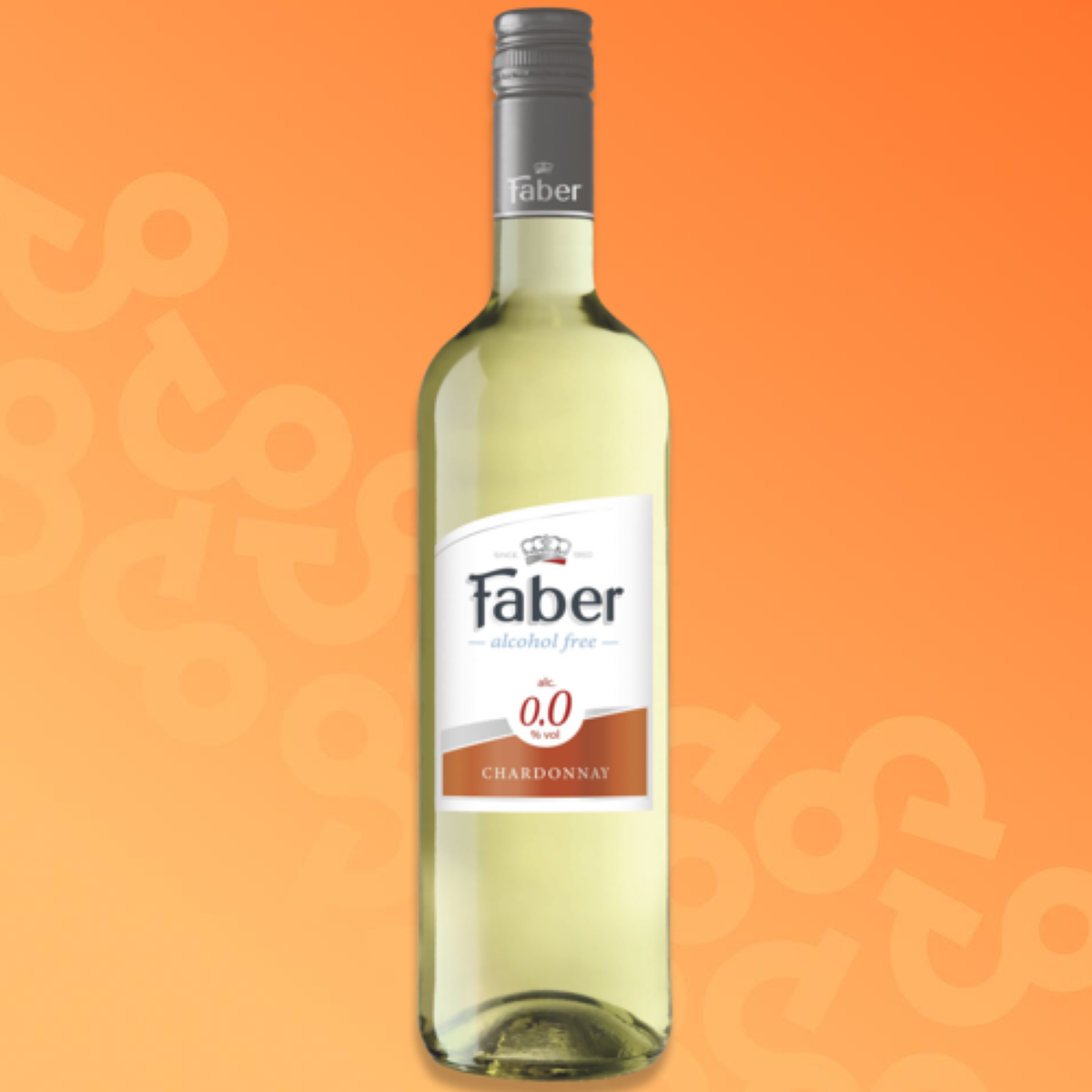
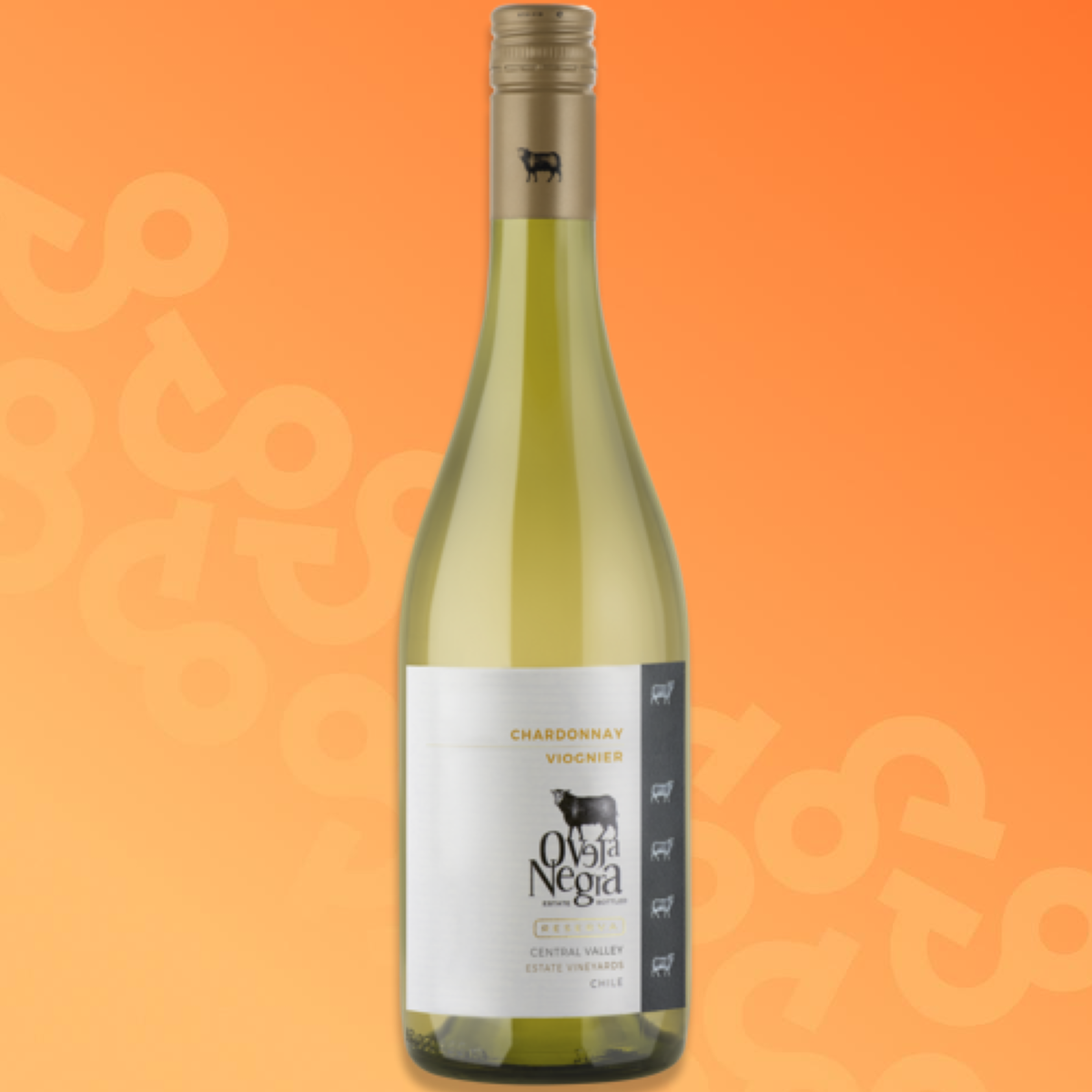
Oveja Negra Reserva Chardonnay Viognier
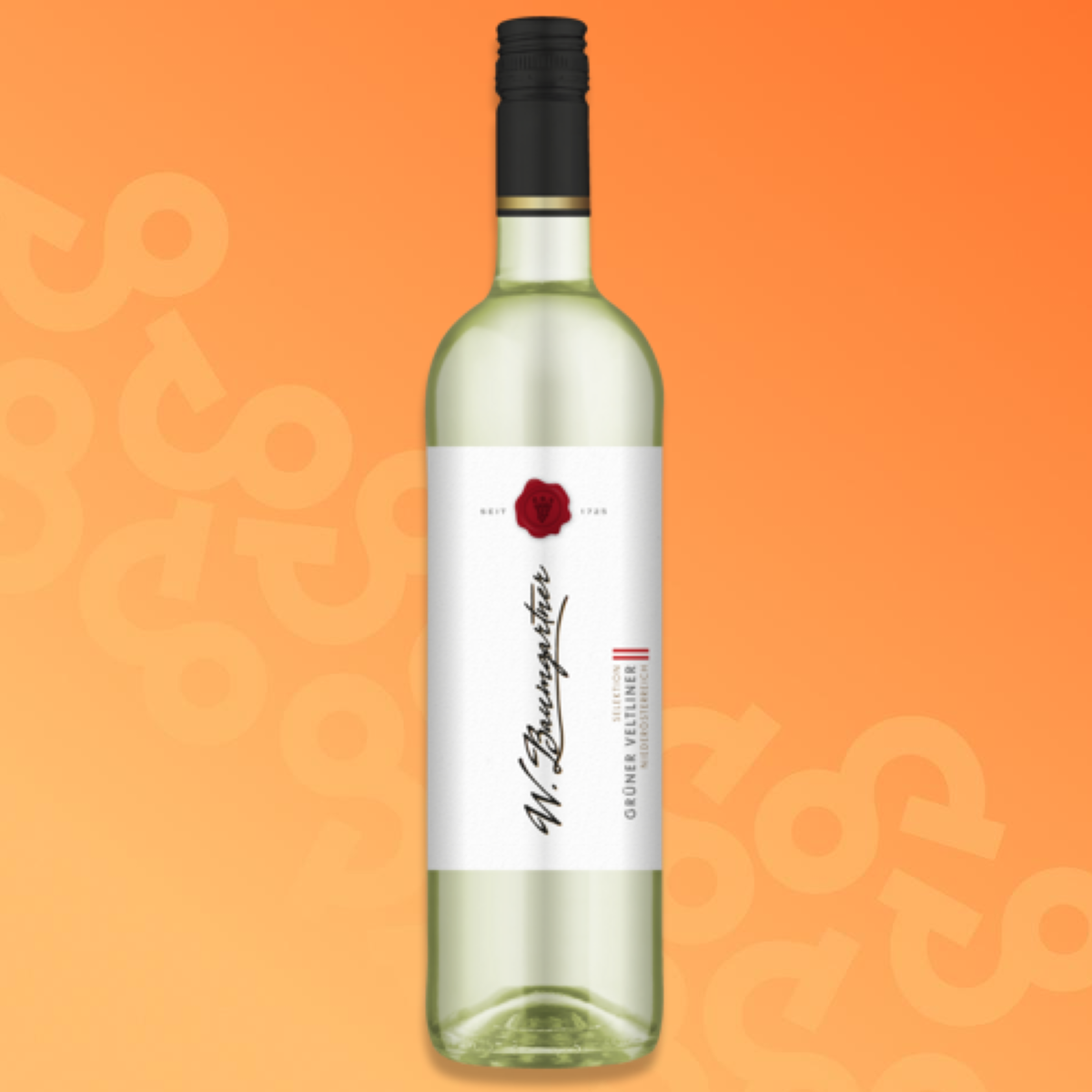
Baumgartner Grüner Veltliner
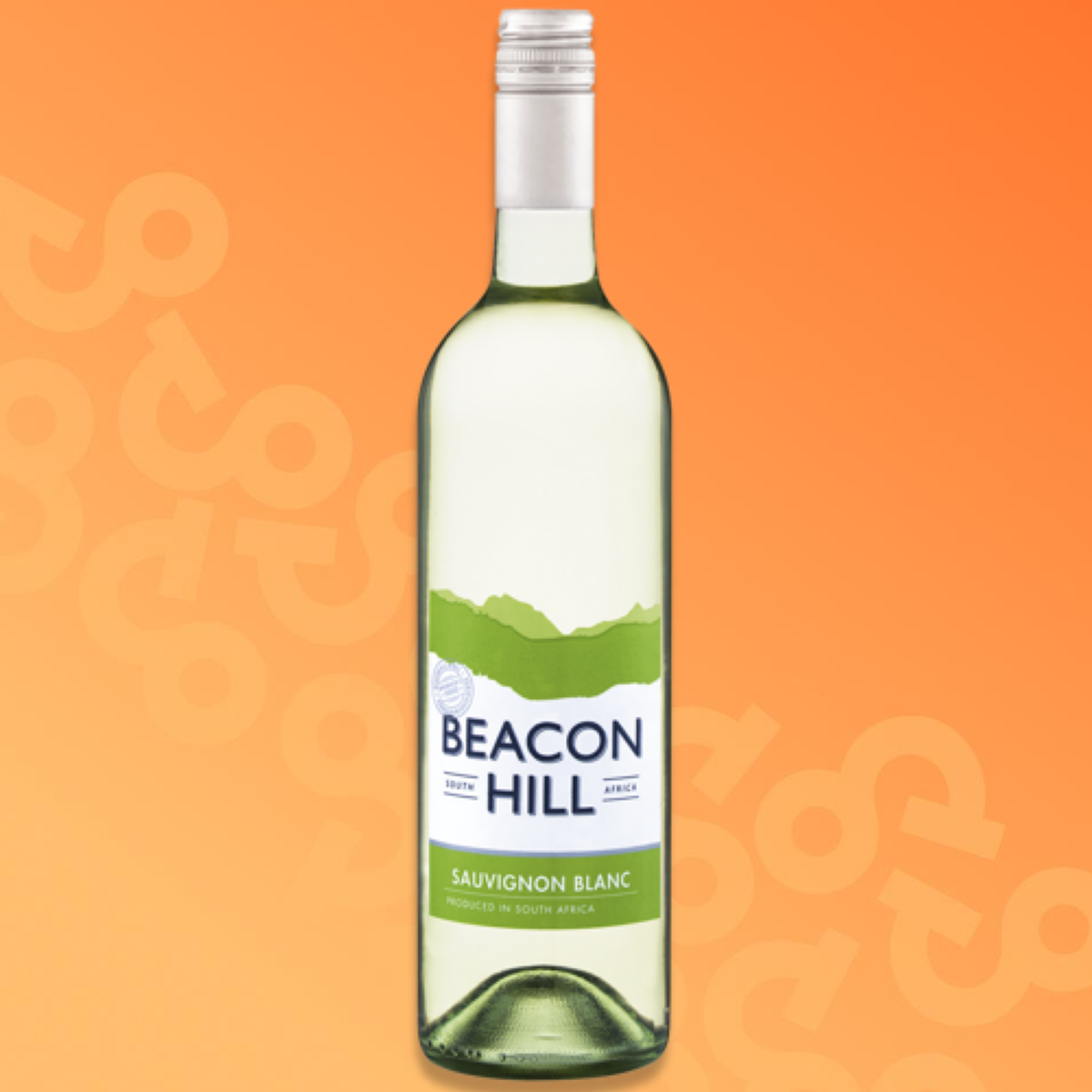
Prices as of November 20, 2026, as reported by Gall & Gall. You can see the current price and stock at Gall & Gall. Glazen.nl receives a small commission if you buy something through these links; you pay nothing extra. No 18, no alcohol.