



American wine
American wine comes mainly from California, from Napa Valley to warm Lodi. The country is known for powerful cabernet sauvignon, full-bodied chardonnay and zinfandel. In the cooler north, in Oregon, they produce refined pinot noir.


American wine, by state and grape variety
The American wine world revolves around one state and a few grape varieties. We have a dedicated page about California and the most important grapes.

California
The state where most American wine comes from, with Napa Valley as its best-known name.
About California →
Zinfandel
Ripe, juicy red wine with blackberry and spice flavors. Genetically the same grape as the Italian primitivo.
About zinfandel →
Cabernet sauvignon
The grape that made Napa Valley world-famous: full-bodied, ripe and often aged in oak for a long time.
About cabernet sauvignon →
Pinot noir
In the cool regions, from Russian River Valley to Oregon, pinot noir develops fresh red-fruit flavors.
About pinot noir →From Napa Valley to Oregon
Wine is made in almost every state in the United States, but by far the largest share comes from California. The vineyards there lie between the Pacific Ocean and the mountains. There is plenty of sunshine, while cool fog and sea breezes provide freshness in coastal areas. Napa Valley, north of San Francisco, is the best-known region and is especially famous for cabernet sauvignon. Sonoma is nearby, with cooler areas such as Russian River Valley and Carneros, where chardonnay and pinot noir do well. Inland lies Lodi, warm and dry, with many old zinfandel vines. Farther south are the regions of the Central Coast.
Outside California, Oregon and Washington are particularly important. Oregon is cooler and wetter and is known for elegant pinot noir. Even Burgundy wineries, such as Drouhin, have started vineyards there. Washington produces full-bodied cabernet sauvignon and merlot, as well as riesling. American winegrowing was dealt a heavy blow by Prohibition in the 1920s and 1930s. After that, it took a long time for quality wine to return. The turning point came in 1976, when Californian wines scored better in a blind tasting in Paris than top wines from Bordeaux and Burgundy. An American label usually lists the grape variety, and often the region as well, such as Napa Valley or Russian River Valley.
In brief
Seven bottles, from zinfandel to chardonnay
First, two zinfandels, the most American grape. Then a cabernet from Napa, a Bordeaux blend, two pinot noirs from the cool regions and a classic full-bodied chardonnay.
Ironstone Old Vine Zinfandel
Zinfandel from old vines in Lodi. Old vines produce fewer grapes, but more flavor and concentration. Ripe, with blackberries and spices.

1000 Stories Bourbon Barrel Aged Zinfandel
Zinfandel aged in used bourbon barrels. Black cherries, berry jam, star anise and a sweet touch of crème brûlée.
Raymond Reserve Selection Cabernet Sauvignon
Cabernet sauvignon from Napa Valley. Ripe blackberries and black cherries with chocolate, pepper and spices.

Ironstone Reserve Meritage
Meritage is the American name for a blend of Bordeaux grapes. Here, cabernet sauvignon with cabernet franc and merlot. Rich and layered.

DeLoach Russian River Pinot Noir
Pinot noir from the cool Russian River Valley in Sonoma. Red cherries, raspberries and plums, with cloves and vanilla.
Domaine Drouhin Roserock Pinot Noir
Pinot noir from Oregon by the Burgundy house Drouhin. Cool climate and volcanic soil: raspberries, strawberries and an earthy note.
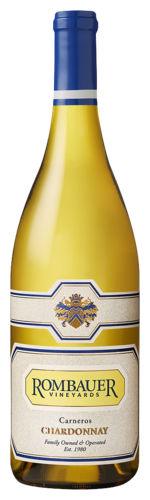
Rombauer Carneros Chardonnay
A classic full-bodied Californian chardonnay: ripe peach and melon, creamy vanilla and a buttery touch, yet still lively.
What is the difference between Napa, Sonoma and Lodi, and why is the fog so important? You can read all about it on our California page.
Ripe fruit and a creamy touch of oak
Ripe fruit & vanilla
Red wine smells of ripe blackberries, black cherries and plums, often with vanilla, chocolate and spices from the oak. Californian chardonnay smells of peach, tropical fruit, butter and vanilla.
Full-bodied and rounded
Thanks to the abundant sunshine, most wines are full-bodied, rounded and rich in alcohol. Cabernet sauvignon also has firm tannins, while zinfandel is juicier and jammier. Pinot noir from Oregon or the Russian River Valley is lighter and fresher.
Long and soft
Many American wines finish soft and fruity, with a warm, spicy finish. In oak-aged wine, vanilla and toast linger for a while.
Flavor profile of an average Californian red wine, such as a zinfandel or cabernet. An Oregon pinot noir scores higher on freshness and lower on power.
How to serve American wine
Don't serve red too warm, don't serve full-bodied chardonnay too cold, and let a large cabernet breathe first.
Red at 16 to 18 degrees
Californian red wine often has 14 to 15% alcohol. If served too warm, you mainly taste the alcohol. Serve zinfandel and cabernet at around 16 to 17 degrees. Pinot noir can be served cooler, at around 14 to 16 degrees.
More about wine temperature →Let cabernet breathe
A young Napa cabernet sauvignon or Meritage has plenty of tannin and oak. Pour it into a decanter half an hour to an hour before the meal; it will become softer and more open.
Decanters →Don't serve chardonnay too cold
Serve an oaked full-bodied chardonnay at 10 to 12 degrees. If it is too cold, the creamy notes disappear. A crisp sauvignon blanc can be served colder, at around 8 degrees.
More about decanting →American wine at the table
American wine is full-bodied and ripe, making it a good match for hearty, flavorful food. Think barbecue, a substantial steak or creamy pasta.
Barbecue and burgers
Spareribs, pulled pork, burgers and pizza. The jammy fruit of zinfandel pairs well with a sweet, smoky barbecue sauce.
Steak and lamb
Grilled ribeye or entrecôte, lamb or a board of aged cheese. The tannins in the cabernet balance the fat well.
Duck, salmon and mushrooms
Pinot noir is lighter and pairs with duck breast, grilled salmon, turkey and mushroom dishes.
Lobster, chicken and cream sauce
A full-bodied chardonnay pairs well with lobster, grilled chicken, creamy pasta and soft cheeses such as brie.
The right glass for American wine
Pour zinfandel and pinot noir into a spacious red wine glass with room for swirling. For a powerful Napa cabernet, choose a tall, large bowl. A full-bodied chardonnay is best enjoyed in a large wine glass. These are the glasses we recommend ourselves.


Everything you still wanted to know about American wine
Can't find your question here? Read more about wine and food, or get in touch.
To wine and food pairing →What is American wine?
What is zinfandel?
What is Napa Valley?
What is Meritage?
How much alcohol is in American wine?
What do you eat with Californian red wine?
Buy American wine
Want the bottle at home right away? Order American wine online from Gall & Gall. Gall & Gall has 80 of them.

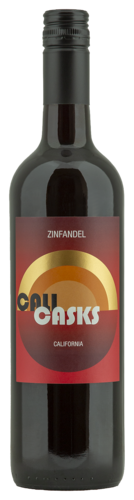

Ironstone Old Vine Zinfandel
Prices as of October 9, 2026, as provided by Gall & Gall. You can find the current price and stock at Gall & Gall. Glazen.nl receives a small commission if you buy something through these links; you pay nothing extra. No 18, no alcohol.