



Chilean wine
Chilean wine comes from a narrow country between the Andes and the Pacific Ocean. It is known for juicy cabernet sauvignon, fresh sauvignon blanc, and carmenère, an old Bordeaux grape that found a second life in Chile.

Chilean wine by grape variety and winery
Those who buy Chilean wine usually choose by grape variety. We have a dedicated page about the most important grapes and a well-known winery.

Carmenère
Once a Bordeaux grape, now Chile's pride. Smooth, with dark fruit and a spicy note.
About carmenère →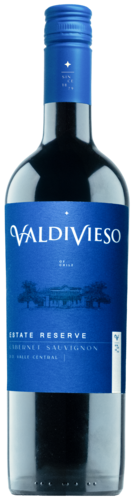
Cabernet sauvignon
The backbone of Chilean red wine, with blackcurrant, black berries, and often a hint of mint.
About cabernet sauvignon →
Sauvignon blanc
Valleys such as Casablanca and Leyda produce sauvignon blanc with citrus, gooseberry, and green herbs.
About sauvignon blanc →
A long, narrow wine country
Chile is more than four thousand kilometers long and on average less than two hundred kilometers wide. The vineyards are mainly located in the center of the country, around the capital Santiago. The Andes lie to the east, and the Pacific Ocean with a cold ocean current to the west. The days are sunny, but at night it cools down considerably due to the cold air from the mountains and the sea. As a result, the grapes develop ripe fruit flavors while retaining their freshness. Spanish missionaries brought the grapevine to Chile as early as the sixteenth century. In the nineteenth century, French grape varieties were added, such as cabernet sauvignon, merlot, and carmenère.
Carmenère has a particularly remarkable story. The grape almost completely disappeared in Bordeaux, but it grew unnoticed among Merlot vines in Chile for years. It was not until the 1990s that researchers discovered that much of Chile's Merlot was actually Carmenère. Today, it is the grape that sets Chile apart. The wine regions are divided into valleys. The Central Valley, including Maipo, Cachapoal, Colchagua, Curicó, and Maule, is warm and produces mainly red wine. Aconcagua lies north of Santiago. The cooler valleys close to the coast, such as Casablanca and Leyda, are known for Sauvignon Blanc, Chardonnay, and Pinot Noir. Farther south, in Bío-Bío, it is even cooler. One striking fact: phylloxera, which devastated almost all European vineyards in the nineteenth century, never reached Chile.
In brief
Seven bottles, from Carmenère to Sauvignon Blanc
We start with two Carmenères, the grape that is so uniquely Chilean. Then Cabernet, Syrah, and Pinot Noir, plus two white wines from the cool valleys near the coast.
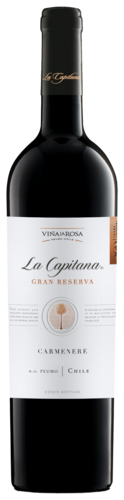
La Capitana Carmenere
Carmenère from the Cachapoal Valley. You can recognize the grape by its plums and berries, with a hint of bell pepper and chocolate.

Valdivieso Single Vineyard Carmenère
Single-vineyard Carmenère, aged for twelve months in French oak barrels. As smooth as a Merlot, with plums, ripe berries, and black pepper.

Errazuriz Estate Cabernet Sauvignon Reserva
Cabernet Sauvignon from the Aconcagua Valley. Aged for twelve months without the oak overpowering the wine. Full-bodied, with cassis and blackcurrants.

Errazuriz Max Shiraz
Syrah from the Aconcagua Valley, aged for one year in French oak barrels. Red and black fruit with clove, nutmeg, and pepper.

Eco Pinot Noir Organic
Organic pinot noir from Bío-Bío, the cool region in the south. Light and fresh, with red cherries, raspberries and mushrooms.

Errazuriz Max Sauvignon Blanc
Bone-dry sauvignon blanc from vineyards close to the ocean. Aromatic, with citrus, tropical fruit and fresh green herbs.

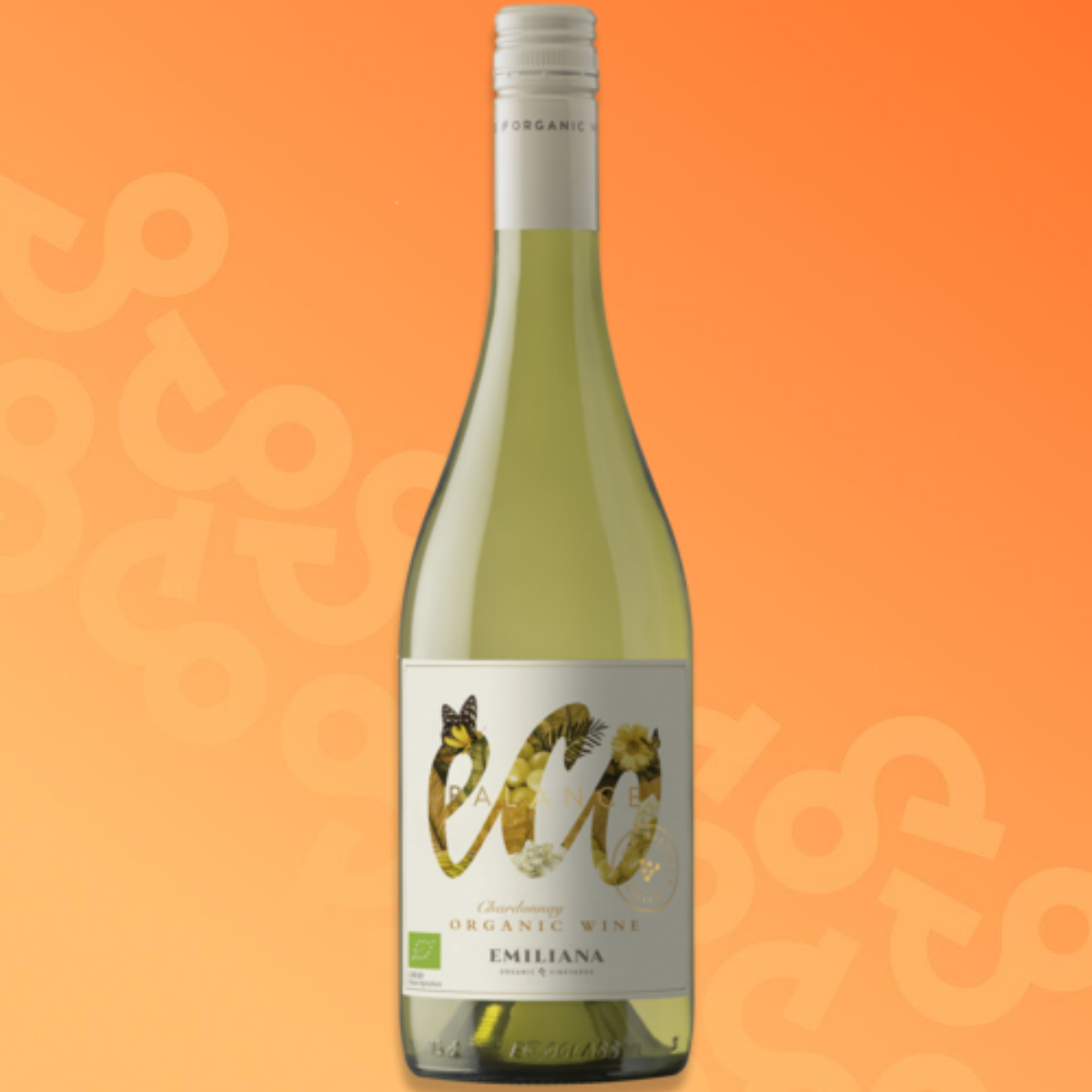
Valdivieso Single Vineyard Chardonnay
Chardonnay from the cool Leyda Valley near the coast, spontaneously fermented. Full-bodied, with peach, apricot and grapefruit.
How could an entire grape variety be mistaken for merlot for years? You can read about it on our carmenère page.
Ripe fruit with a fresh edge
Black fruit & spices
Red wine smells of blackcurrants, blackberries and plums, often with a hint of mint, pepper or bell pepper. Oak-aged wine also develops notes of vanilla, chocolate and coffee. White wine smells of citrus, gooseberry, green apple or tropical fruit.
Juicy and supple
Most Chilean red wines are round, with ripe fruit and soft tannins. Cabernet sauvignon is fuller-bodied, while carmenère is more supple. White wine from the coastal valleys is crisp and fresh.
Fruity and dry
Chilean wine usually finishes dry and fruity, without harsh edges. With carmenère, a spicy note often lingers.
Flavor profile of an average Chilean red wine, such as a carmenère or cabernet. A sauvignon blanc from Casablanca or Leyda scores higher on freshness and lower on power.
How to serve Chilean wine
Red lightly chilled, white cold, and a cabernet or syrah aged in oak gets some air first.
Red at 16 to 18 degrees
Chilean red wine has plenty of ripe fruit and often 13.5% alcohol or more. If you serve it too warm, you mainly taste the alcohol. At around 16 degrees, it stays fresh. A pinot noir from the cool south can be served slightly cooler.
More about wine temperature →Let robust wine breathe
A cabernet sauvignon or syrah aged in oak becomes softer when you pour it into a decanter half an hour in advance. You can pour a smooth merlot or carmenère straight away.
Decanters →White and rosé chilled
Serve sauvignon blanc and rosé at 8 to 10 degrees. An oak-aged full-bodied chardonnay can be served slightly warmer, around 10 to 12 degrees, so you can taste its creamy flavor better.
More about decanting →Chilean wine at the table
Chilean wine is fruity and approachable, making it an easy choice with food. Red wine pairs with grilled meat, while fresh white wine goes well with fish and salads.
Grilled meat and gourmet cooking
Carmenère pairs well with spiced meat, bell peppers, chili con carne, and empanadas. A smooth merlot is an easy wine to serve with gourmet cooking.
Red meat
A steak, duck breast, or grilled lamb. The full-bodied cabernet pairs well with the meat's fat.
Fish and goat cheese
Ceviche, grilled fish, mussels, a salad with goat cheese, or simply as an aperitif.
Salmon, chicken, and mushrooms
A full-bodied chardonnay with salmon and chicken in cream sauce, a light pinot noir with mushrooms and poultry.
The right glass for Chilean wine
Pour carmenère and merlot into a spacious red wine glass so the fruit can develop properly. For a full-bodied cabernet, choose a tall bowl; for sauvignon blanc, a smaller glass that preserves its freshness. These are the glasses we recommend ourselves.


Everything you still wanted to know about Chilean wine
Can't find your question here? Read more about wine and food, or get in touch.
Wine and food pairings →What is Chilean wine?
What is carmenère?
What is the difference between Chilean and Argentine wine?
What does reserva mean on a Chilean bottle?
How much alcohol is in Chilean wine?
What do you eat with Chilean red wine?
Buy Chilean wine
Want the bottle at home right away? Order Chilean wine online from Gall & Gall. Gall & Gall has 107, including 13 on offer.

Oveja Negra Reserva Chardonnay Viognier

Oveja Negra Reserva Cabernet Sauvignon Syrah

Eco Viognier Organic
Prices as of October 9, 2026, as reported by Gall & Gall. You can find the current price and stock at Gall & Gall. Glazen.nl receives a small commission if you buy something through these links; you pay nothing extra. No 18, no alcohol.