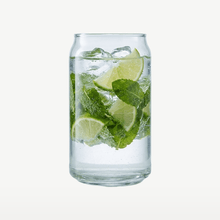
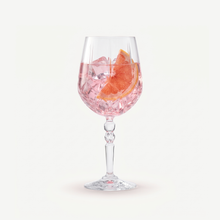
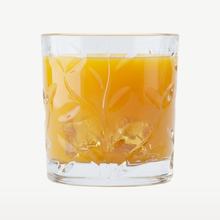
Bormioli Rocco Line Long Drink Glass 39 Cl - 6 Pieces

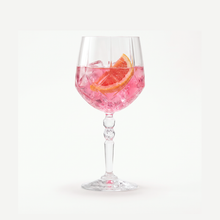
RCR Mixology Highball Glass 36 Cl - 44 Cl Assorted

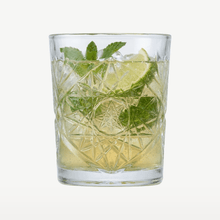
La Rochère Abeille Highball Glass 31 cl - 6 Pieces

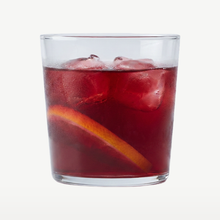
Nude Glass Big Top Highball Glass 34 Cl - 6 Pieces

How to pour it
a pisco in
Have the glass ready at room temperature; cellar cool is fine, but not ice-cold, because too much chill suppresses the delicate fruit and floral notes.
Pour in 3 cl of pisco, no more than a third of the glass, so there’s room for the aroma.
Slowly swirl the drink up the sides of the glass and smell it first, with your mouth slightly open.
Take small sips and drink water in between, so the grape remains in focus.
What did you think of this guide?
Just click a star once. If you’d like to add a comment, we’ll review it before it appears here.
Save this page
Email this page to yourself so you have the instructions handy when you’re ready to pour. You’ll also get a €5 discount code on orders from €50 for the glasses that go with it.
The story
Peru and Chile both make pisco, and both claim the name. We won't decide here who is right. The rules do differ. Peruvian pisco must not be diluted: what comes out of the still goes straight into the bottle, without aging in wood. Eight grape varieties are permitted, including quebranta, italia, torontel, and moscatel; pisco made from a single grape is called puro, while a blend is called acholado. Chilean pisco may be diluted and has its own designations. The name is linked to the Peruvian port city of Pisco. In the glass, it is clear and around 40 percent alcohol.
The right glass
Pisco is a clear grape brandy, so you want a glass that concentrates the aroma without the alcohol overwhelming your nose. A narrow stemmed tulip glass does just that: its narrow opening keeps the aroma together while letting enough alcohol escape, and the stem keeps your hand away from the drink. For a chilcano with ginger ale and ice, you need a tall glass, with room for ice and bubbles; you can find those among the highball glasses.

Lehmann Eaux De Vie Tasting Glass 15 cl (6 pieces)

Chef & Sommelier Lima Highball Glass 40 cl (6 pieces)
Both sets together € 75,90.
The right tools
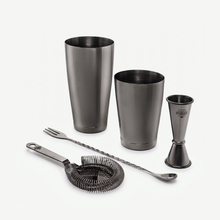
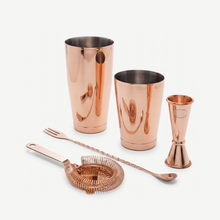
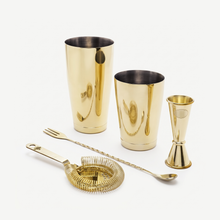
To make a pisco, use a jigger alongside the glass for precise measuring and a bar spoon to stir a chilcano. These are the bar tools we use ourselves; you can find everything in our bar tools & cocktail sets.


Glass set (our pick 01) + 2 bar tools together € 76,85.
What should you serve alongside it?
Pisco is a grape brandy, and the drink most similar to it is cognac: also a brandy made from white grapes, but aged in wood. The Netherlands has its own varieties, such as vieux and jenever. Each drink page tells you the alcohol percentage, what it tastes like, which cocktails it works well in, and which glass you need.


Variations & twists
The best-known use is the pisco sour: pisco with lime juice, syrup, egg white, and a few drops of bitters, topped with a layer of foam. A lighter option is the chilcano: pisco with ginger ale and ice in a tall glass, served with a slice of lime. If you’re drinking it neat, try a puro and an acholado side by side: one grape versus a blend. The pisco punch is richer and more full-bodied. Want to read more? Browse all drinks and brands.
Serving tip
Serve pisco cellar cool rather than ice cold, as too much chill masks its delicate fruity and floral notes. Keep the pour to 3 cl and serve a glass of water alongside. To make a chilcano, first fill a tall glass with ice, then add the pisco and ginger ale, and stir gently once.
Good to know
Peru or Chile?
Both countries make pisco and both claim the name. The rules differ: Peruvian pisco cannot be diluted and goes from the still into the bottle undiluted, without aging in wood, while Chilean pisco can be diluted and has its own designations. We’re not taking sides here.
Which grapes can be used?
Eight grape varieties are permitted for Peruvian pisco, including quebranta, italia, torontel, and moscatel. Pisco made from a single grape is called puro; a blend of several grapes is called acholado.
Why is there no age statement on the bottle?
Peruvian pisco is not aged in wood. After distillation, it rests in a neutral container and is then bottled. So it doesn’t have an age statement like cognac or whisky.
How much alcohol does it contain?
Around 40 percent, with bottles ranging roughly from 38 to 48 percent. Because nothing is added to Peruvian pisco after distillation, what’s on the label is exactly what came out of the still.
Where does the name come from?
The name is connected to the Peruvian coastal port city of Pisco. We'll leave the story there, as the rest varies by source.
Pisco sour or chilcano?
The sour is the best known: shaken with lime juice, syrup, and egg white, with bitters on the foam. The chilcano is simpler and longer: pisco with ginger ale and ice in a tall glass. If you want to get to know pisco itself, pour it neat first.
Frequently asked questions
Does pisco come from Peru or Chile?
Both. Peru and Chile both make pisco and both claim the name; we don't take sides. The difference lies in the rules: Peruvian pisco cannot be diluted or aged in wood, while Chilean pisco may be diluted and uses different designations.
What is the difference between puro and acholado?
Puro is made from one permitted grape, while acholado is a blend of several. Eight grapes are permitted for Peruvian pisco, including quebranta, italia, torontel, and moscatel.
What glass do you use for pisco?
A narrow, stemmed tulip glass of about 15 cl. The narrow opening concentrates the aroma and lets enough alcohol escape, while the stem keeps your hand warmth away from the drink. Pour 3 cl, no more.
What percentage of alcohol does pisco have?
Around 40 percent, with bottles ranging from roughly 38 to 48 percent. Because Peruvian pisco cannot be diluted, the percentage on the label is what came out of the still.
Everything for your bar,
at one address
Horeca-quality glasses, sold in sets. Order today and get them quickly.
Shop the glasses →