Rioja
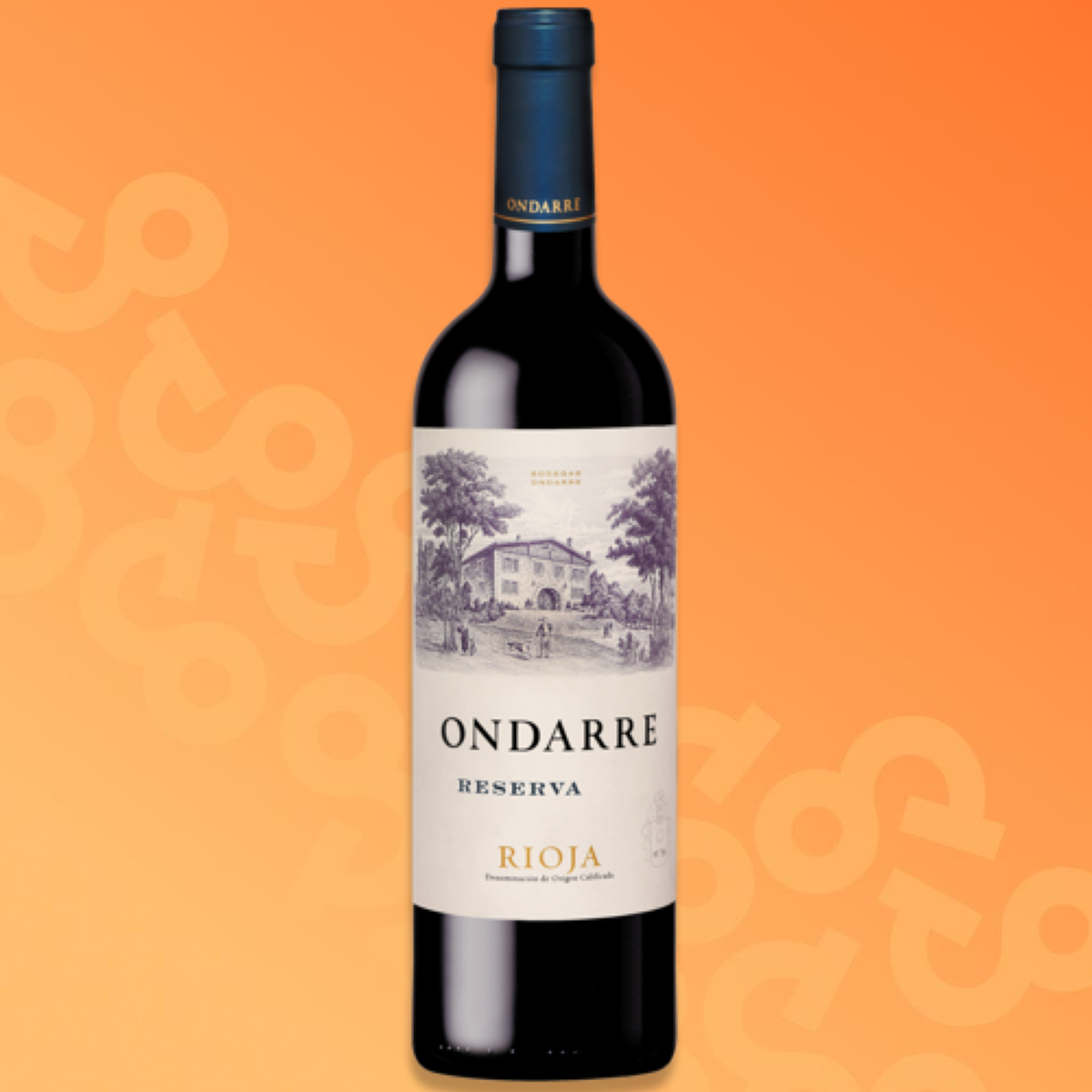
Rioja is Spain's largest wine region, along the Ebro River, and what's on the label is mainly about aging: crianza, reserva, or gran reserva. When you think of Rioja, red wine often comes to mind, but they also make delicious white wine.


Wine by type
Rioja isn't alone on the shelf. Four closely related pages, from the bigger picture of red wine to Spanish sparkling wine.
Red wine
The bigger picture that Rioja is part of: the grapes, what oak aging does to them, and what temperature to serve them at.
About red wine →Verdejo
The other Spanish white wine, made from the grape from Rueda that is often picked from the vine at night.
About Verdejo →
Merlot
A fairly large grape with a relatively thin skin, and therefore less pigment and less tannin than Cabernet Sauvignon.
About Merlot →
Cava
The Spanish sparkling wine from Catalonia, with the same second fermentation in the bottle as Champagne.
About Cava →One region along the Ebro, three subregions
Rioja is Spain’s largest and most important wine region, located in the north along the Ebro River. Its vineyards cover around 62,000 hectares, and it was the first Spanish region to receive DOCa status, the highest quality designation. The climate is a mix of Mediterranean, continental and Atlantic; the soils range from calcareous and clay-rich to iron-rich. The region has three subregions. Rioja Alta in the west produces fresh, elegant wines with good acidity and aging potential thanks to its elevation. Rioja Alavesa borders the Basque Country to the north and produces refined, aromatic wines with a somewhat lighter body. Rioja Oriental, formerly called Rioja Baja, is the warmest and driest area and produces fuller, more powerful wines, often with garnacha.
Red wine centers on tempranillo, the blue grape known for its refined structure and aging potential: robust and full-bodied, yet surprisingly elegant. Garnacha, mazuelo and graciano are also used in blends to add extra power, color or aroma. The main grapes used for white wine are viura, also known as macabeo, malvasía and garnacha blanca. Anything else on the label refers not to the grape, but to aging. A crianza has aged for at least two years before going on sale, part of that time in oak. A reserva ages for at least three years, including at least one year in oak. A gran reserva takes at least five years, including about two years in barrels followed by several more years in the bottle. These time periods apply to red wine.
In brief
Six bottles, from crianza to white Rioja
A red Rioja almost always says crianza, reserva or gran reserva, and that word tells you how long the wine has aged. The two white wines are at the bottom of this list, because they exist too.
Cune Rioja Crianza
Made from 85 percent tempranillo, complemented by garnacha and mazuelo, and aged in oak barrels. Dark fruit with a hint of vanilla, making it an easy introduction.

Torres Altos Ibéricos Crianza
A crianza made entirely from Tempranillo, with dark fruit, spice and vanilla. Bolder in style than the previous bottle and clearly made to pair with meat.

Glorioso Rioja Reserva
Made entirely from Tempranillo grapes from Rioja Alavesa, aged for 22 months in French oak. Powerful yet delicate, with elegant tannins and ripe dark fruit alongside ginger and cinnamon.

Faustino I Gran Reserva
The only bottle here with Graciano in the blend, it first ages for 38 months in American oak and then for another three years in the bodega’s cellars. Complex, with vanilla, blueberries, tobacco, spices and the aroma of cigar boxes.

Cune Rioja Blanco Barrel Fermented
White Rioja made from the Viura grape and aged in oak. Oak aging has given the wine extra aromas and a richer, rounder flavor.

Glorioso Rioja Blanco
Also made from Viura, rich and sunny without being heavy, with notes of flowers, apple, citrus and a little toasted bread. The finish is surprisingly full and almost creamy.
If you’re looking for a Spanish sparkling wine rather than a still wine, you’ll find it in Cava from Penedès in Catalonia.
Dark fruit and vanilla, with tannins that soften
Dark fruit & vanilla
Cherries, strawberries and plums, with a hint of vanilla or coconut underneath from the oak. The longer the wine has aged, the more tobacco, spices and cinnamon emerge alongside the fruit.
Robust, full-bodied and still elegant
Tempranillo is robust and full-bodied yet surprisingly elegant, with a refined structure. In a reserva or gran reserva, the tannins feel noticeably rounder than in a young bottle.
Long and spicy
Spices, dried fruit and oak linger; a gran reserva adds blackberries, figs and tobacco. White Rioja, by contrast, finishes fresh and citrusy, and after oak aging, full-bodied and almost creamy.
Flavor profile of a typical red Rioja. White Rioja scores much higher on freshness and considerably lower on body.
How to pour Rioja
Red wine should be poured just below room temperature, white wine chilled, and an aged bottle needs a little air first.
Red at 16 to 18 degrees
Tempranillo is at its best between 16 and 18 degrees, just below room temperature. A powerful, full-bodied bottle served too warm loses its fruitiness, and the alcohol comes through most of all; fifteen minutes in the fridge will fix that. Serving it too cold has the opposite effect: you'll smell less, and the acidity will overpower the wine.
Browse the glasses →Let it breathe
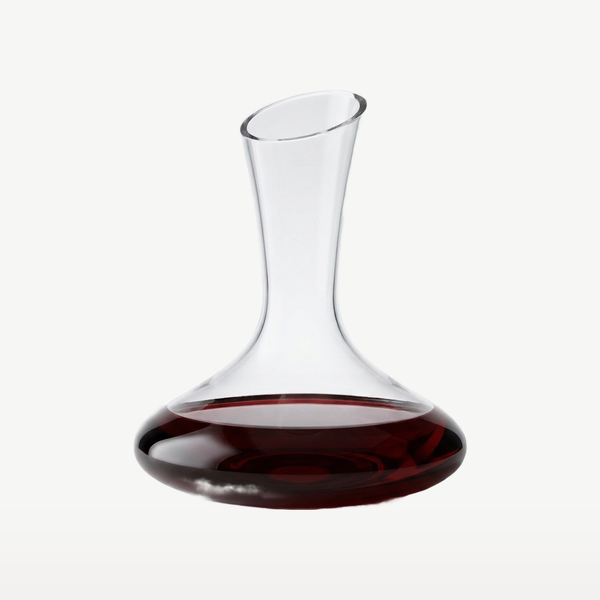
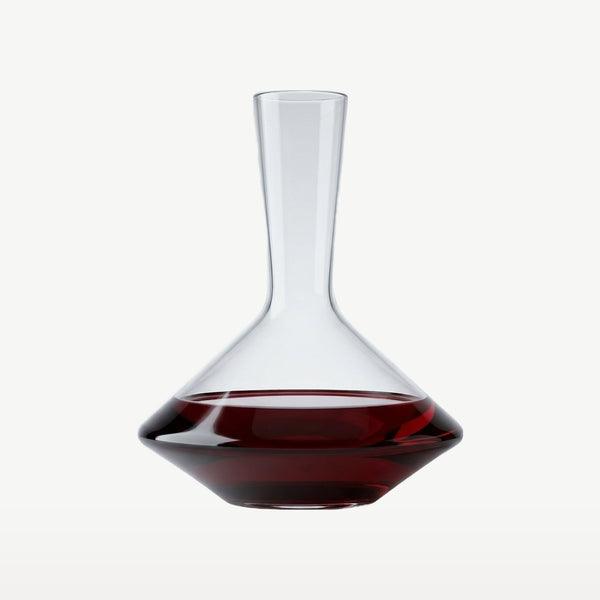
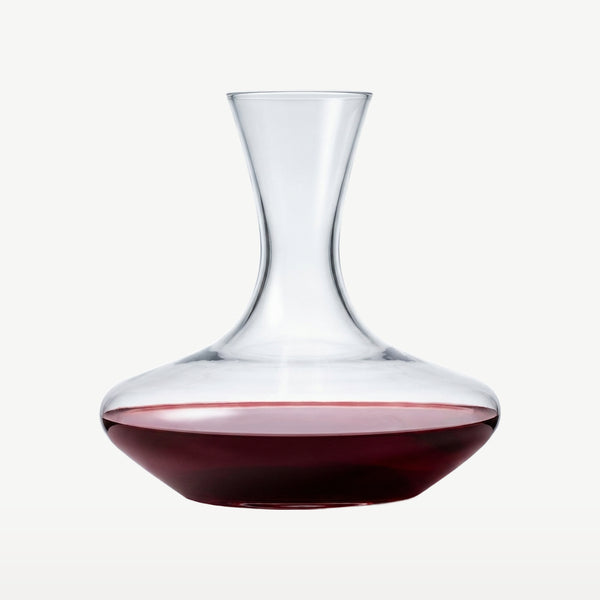
You can pour a young Rioja straight away, but a reserva or gran reserva often benefits from thirty to sixty minutes of aeration. Decanting literally means pouring the wine into another vessel, giving it more oxygen; then let it sit for half an hour to three hours. If an old bottle has a lot of sediment, stand it upright a day in advance.
Decanters →Chilled white, and with food
Serve a fresh, fruity white Rioja at 8 to 10 degrees; an oak-aged bottle can usually be served a little less chilled. Red Rioja pairs well with tapas, grilled meat, chorizo or a paprika stew, while white Rioja goes better with chicken, poultry, creamy pasta or a salad.
Browse the bottles →Wine cocktails
Rioja is almost never used in a cocktail; it's too much of a wine for that. These four come closest: two Spanish wine drinks and two spritzes made with sparkling wine.

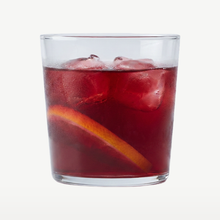
Sangria
Red wine with fruit, orange and plenty of ice, the best-known way to mix wine.
Tinto de Verano
Red wine topped up with fizz and lemon, the summer drink of Spanish terraces.
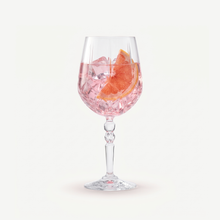
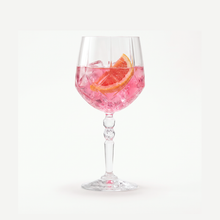
Aperol Spritz
Aperol, sparkling wine and a splash of sparkling water, with a slice of orange.
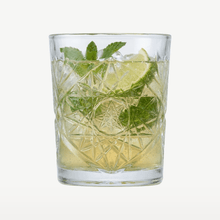
Hugo Spritz
Elderflower syrup, sparkling wine, sparkling water and mint over plenty of ice.The right glass for Rioja
Pour red wine into a wide-bowled glass so the aromas can develop properly; for white wine, choose a smaller bowl. These are the glasses we recommend ourselves.


Everything else you wanted to know about Rioja
Can’t find your question? Browse our cocktail recipes or get in touch.
To the cocktail recipes →What is Rioja wine?
What do Crianza, Reserva and Gran Reserva mean?
Is there white Rioja too?
Which grapes are used in Rioja?
What are Rioja Alta, Rioja Alavesa and Rioja Oriental?
At what temperature should you serve Rioja, and in which glass?
Should you decant Rioja?
Buy Rioja
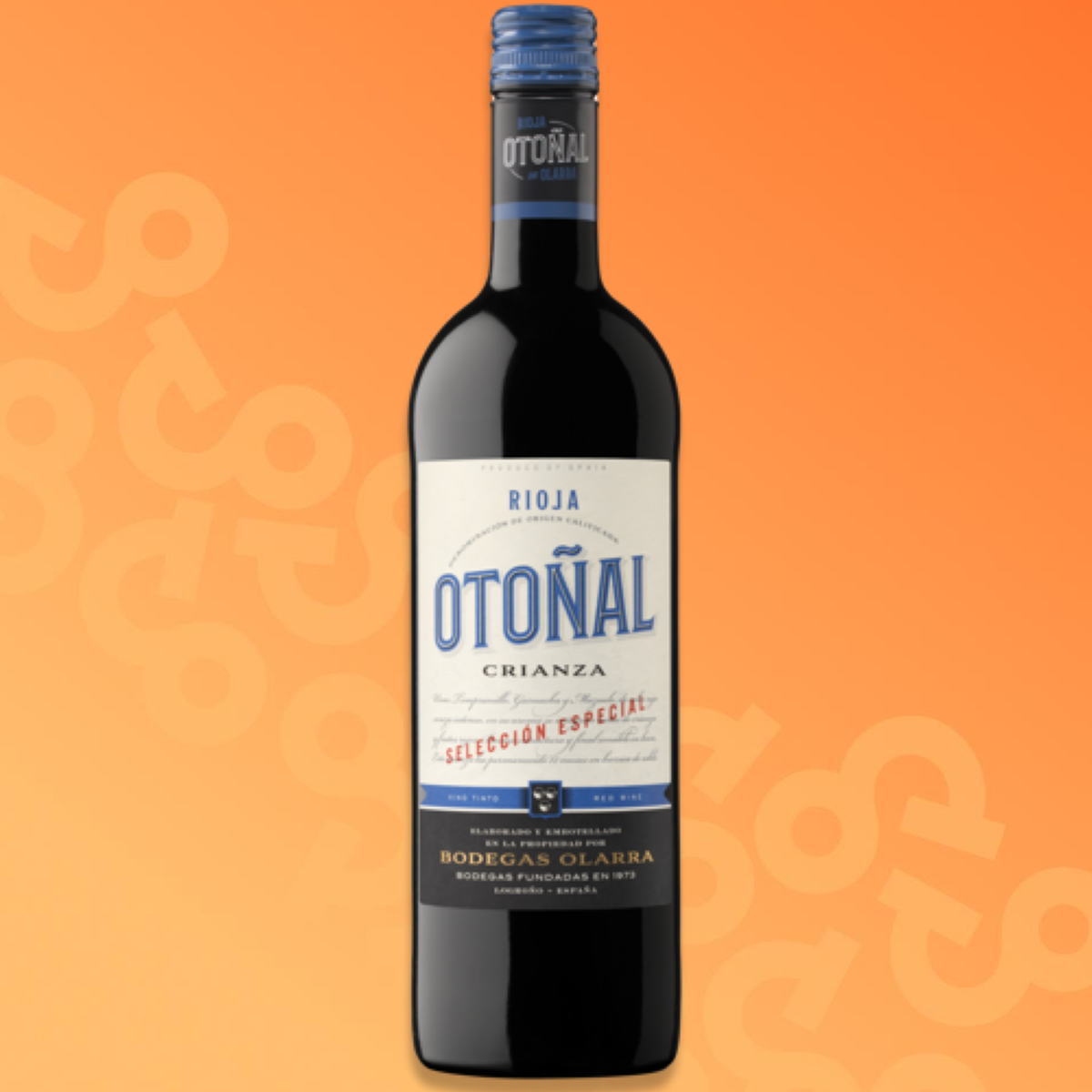
Want the bottle delivered straight to your door? Order Rioja online from Gall & Gall. Gall & Gall has 99, of which 14 are on sale.
Prices as of November 20, 2026, as provided by Gall & Gall. You can see the current price and stock at Gall & Gall. Glazen.nl receives a small commission if you buy something through these links; you pay nothing extra. No 18, no alcohol.