



CVNE (Cune)
CVNE (pronounced and sold as Cune) is one of Rioja's classic wineries. The winery has been based in Haro since the nineteenth century and makes red Rioja there, from crianza to gran reserva, as well as white wine, rosé and sparkling wine. In addition to Cune, the brands Imperial and Viña Real belong to the company.


Cune and the regions behind it
Cune is Rioja through and through, with forays into other Spanish regions. We have a dedicated page for the most important ones.

Tempranillo
Spain's most important blue grape, and the basis of almost every red Cune.
About tempranillo →
Ribera del Duero
Rioja's robust counterpart, on the high plateau along the Duero River.
About Ribera del Duero →
A Rioja winery with three faces
CVNE stands for Compañía Vinícola del Norte de España, the Wine Company of Northern Spain. It was founded in 1879 by two brothers in Haro, a small town in Rioja Alta that had just gained a railway line. At that time, several large wineries sprang up around Haro station, and CVNE can still be found there. The company remains in the hands of the founders' descendants. The name Cune arose because people read the V in CVNE as a U; it then became the brand name on the bottle.
Three well-known brands fall under the CVNE umbrella. Cune is the largest range, from the fruity Afrutado to crianza, reserva and gran reserva. Imperial is the range with the most aged and refined red wines. Viña Real comes from Rioja Alavesa, the part of Rioja north of the Ebro, and has its own winery near Laguardia. The red wines are made mainly from tempranillo, complemented by garnacha, graciano and mazuelo. For white wine, CVNE uses viura, and outside Rioja the winery also makes verdejo in Rueda, tempranillo in Ribera del Duero and cava.
In brief
Eleven bottles, from Monopole to Imperial
First white, rosé and sparkling wines, followed by the red Rioja in order of ageing: from crianza through reserva to gran reserva. The higher the step, the longer the wine has been aged in oak and in the bottle. At the bottom, a Viña Real and a red wine from Ribera del Duero.

Cune Monopole
Fresh white Rioja made from viura, from the region's limestone soil. Floral, with apple, pear and lemon.

Cune Barrel Fermented
Viura fermented in oak barrels. Richer and fuller than Monopole.

Cune Rueda Verdejo
Fresh verdejo from Rueda, with tropical fruit, lemon, green herbs and fennel.

Cune Rosado
One hundred percent tempranillo. Raspberries, strawberries and a hint of liquorice. A full-bodied rosé.
Cune Cava
Dry Spanish sparkling wine with a second fermentation in the bottle, just like champagne.
Cune Rioja Crianza
Mostly tempranillo with garnacha and mazuelo, aged for twelve months in oak. Dark fruit and a hint of vanilla.
Cune Rioja Reserva
Eighteen months in American oak followed by two years in the bottle. Full-bodied and rounded, with blackberries, cassis and vanilla.

Cune Gran Reserva
Tempranillo with graciano and mazuelo, aged for two years in oak and three years in the bottle. Blackcurrants, blackberries and vanilla.

Imperial Reserva
From the Imperial range, aged for 24 months in French and American oak. Dark fruit, liquorice, clove, tobacco and thyme.

Viña Real Crianza
A classic blend of tempranillo, garnacha, mazuelo and graciano, aged for fourteen months in French and American oak.
Cune Ribera del Duero Roble
Tempranillo from the high plains along the Duero, briefly aged in oak. Full-bodied and fruity.
What exactly is the difference between joven, crianza, reserva and gran reserva? You can read all about it on our Rioja page.
Cherries, vanilla and soft wood
Red fruit & vanilla
A red Cune smells of cherries, strawberries and blackberries. Aging in American oak adds vanilla, coconut and spice. A reserva or gran reserva also shows notes of leather, tobacco and dried fruit.
Smooth and round
Tempranillo has soft tannins and fresh acidity. A crianza is juicy and fruity, while a gran reserva is softer and rounder because the wine has had a long time to mature.
Dry and spicy
The red wines finish dry, with hints of spice and oak. Monopole and verdejo finish fresh and citrusy.
Flavor profile of Cune Rioja Crianza. A reserva or Imperial scores higher on body, while Monopole and verdejo score higher on freshness and lower on body.
How to serve Cune
Red Rioja just below room temperature, white, rosé and cava well chilled.
Red at 16 to 18 degrees
Serve a crianza at around 16 degrees to keep it fresh and fruity. A reserva, gran reserva or Imperial can be served at 17 to 18 degrees. If the bottle is in a warm room, place it in the refrigerator for fifteen minutes.
More about wine temperature →Let gran reserva breathe
An older gran reserva or Imperial benefits from some aeration. Carefully pour it into a decanter half an hour before the meal, so any sediment remains in the bottle. You can pour a crianza immediately.
Decanters →White, rosé and cava chilled
Serve Monopole, verdejo and rosado at 8 to 10 degrees. The Barrel Fermented can be slightly warmer, around 11 degrees. Serve cava well chilled, at 6 to 8 degrees.
More about wine temperature →Cune at the table
Rioja is made for Spanish cuisine: lamb, chorizo, ham and stews. Add white, rosé and cava, and you have a suitable bottle for an entire evening of tapas.
Tapas and fish
Cava and crisp white wine pair well with olives, prawns, fried squid, grilled octopus and fish.
Paella and barbecue
The full-bodied tempranillo rosé pairs well with paella, grilled vegetables, barbecue chicken and a summery lunch.
Lamb and ham
A crianza is at its best with lamb chops, serrano ham, jamón ibérico, chorizo and manchego.
Stews and game
The long-aged wines pair well with leg of lamb, stews, game, mushroom risotto and aged cheese.
The right glass for Cune
Pour a crianza into a spacious red wine glass and a reserva or gran reserva into a tall, large bowl. For Monopole and rosado, choose a smaller glass, and serve cava in a flute.


Everything you still wanted to know about Cune
Can't find your question here? Read more about wine and food, or get in touch.
To wine and food →What is CVNE or Cune?
What is the difference between Cune crianza, reserva, and gran reserva?
What is the difference between Cune, Imperial, and Viña Real?
How much alcohol does Cune contain?
Which glass do you use for Rioja?
What do you eat with Cune Rioja?
Buy CVNE (Cune)
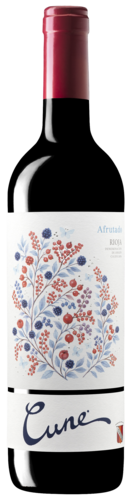
Want the bottle at home right away? Order CVNE (Cune) online from Gall & Gall. Gall & Gall has 29 in stock.


Prices as of October 8, 2026, as provided by Gall & Gall. You can see the current price and stock at Gall & Gall. Glazen.nl receives a small commission if you buy something through these links; you pay nothing extra. No under 18s, no alcohol.