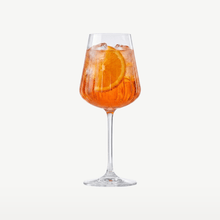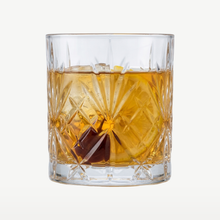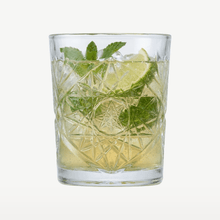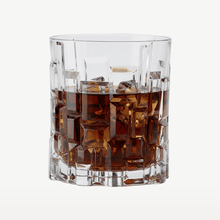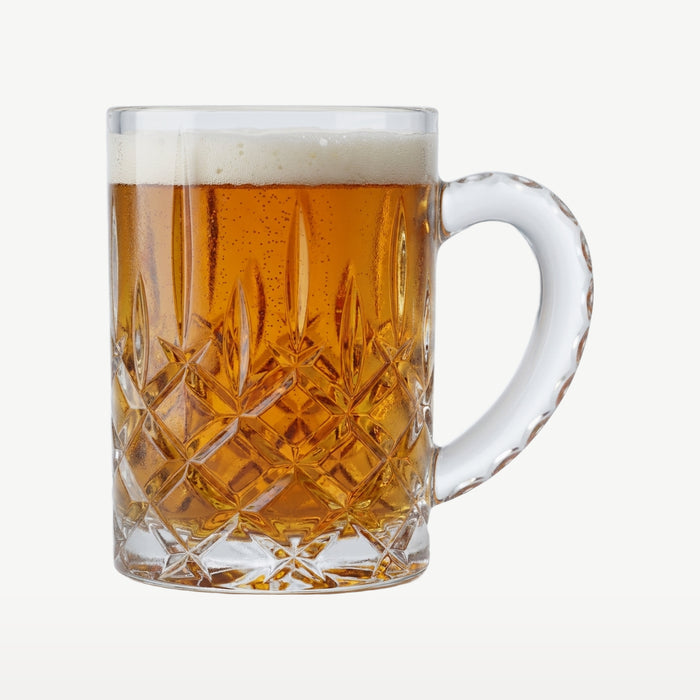
Nachtmann Noblesse Beer Glass 60 Cl - 6 Pieces
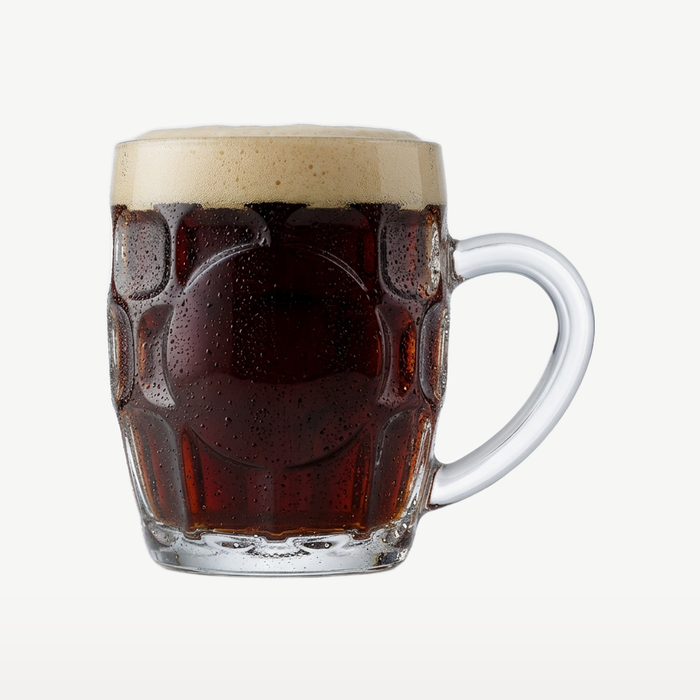
Arcoroc Bock Brit Beer Glass 56 Cl - 24 Pieces
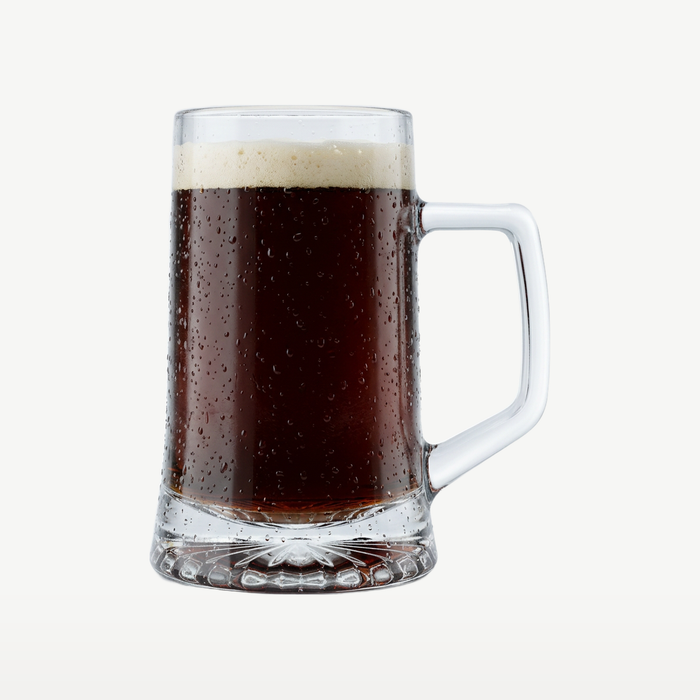
Bormioli Rocco Stern 400 Beer Glass 40 Cl - 6 Pieces

How to pour
a stout in
Rinse the glass with cold water and shake it out, but don’t dry it. A wet, grease-free surface lets the head build evenly, while grease from a tea towel or traces of rinsing agent break down the foam.
Hold the glass at an angle of about forty-five degrees and let the stout run down the side until it is three-quarters full. Pouring at an angle releases less carbon dioxide than pouring straight onto the bottom.
Set the glass down and let it stand for two minutes, especially if the stout is nitrogen-dispensed. Nitrogen dissolves much less readily in beer than carbon dioxide, so the bubbles are smaller and settle out first into an even, creamy layer.
Then pour upright until just below the rim, so the head rises about a centimeter above the glass. Level it with a clean spatula or leave it as it is; with a stout, the head stays all the way to the bottom of the glass.
What did you think of this guide?
One click on a star is enough. If you’d like to add a comment, we’ll review it before it appears here.
Save this page
Send this page to your own email so you’ll have the information handy when it’s time to pour. You’ll also receive a € 5 discount code on orders of € 50 or more, for the glasses to go with it.
The story
The name stout originally meant nothing more than strong: a stout porter was a stronger version of a porter, and over the course of the nineteenth century, stout became a style in its own right. The Irish version, dry stout, became the best known. It’s dry and bitter, usually around four to five percent alcohol, and uses unmalted roasted barley, which gives it its sharp coffee note. Sweet or milk stout contains lactose and has a rounder taste, while imperial stout is the strongest of the family, at roughly eight to twelve percent. Guinness is a dry stout.
The right glass
A stout calls for a straight, roomy glass with space for its thick head. In British and Irish pubs, that’s usually a nonic: a straight glass with a bulge just below the rim. We don’t carry that style, though. The closest match is a straight, stemless glass with a sturdy base and enough capacity for a 33 cl bottle plus its head. A stemmed tulip glass is the alternative: it concentrates the aromas of coffee and cocoa a little more. If you’d rather have a glass with a handle, take a look at the beer mugs.

Schott Zwiesel Banquet Beer Glass 42 cl (6 pieces)

Pasabahce Tulipe Stemmed Beer Glass 38.5 cl (6 pieces)
Both sets together € 53,75.
The right tools
Strictly speaking, all you need alongside a stout is a bottle opener. But if you want to carefully layer a dark beer over a lighter one, pour it over the rounded side of a bar spoon, and use a jigger to measure a shot alongside it. These are the bar tools we use ourselves; find them all in our bar tools & cocktail sets.


Glass set (our pick 01) + 2 bar tools together € 60,70.
What to serve alongside?
Stout takes center stage; these are the bottles you can serve alongside it. Whisky is the best match for its coffee and cocoa notes. Popular bottles include Jameson and Johnnie Walker. Each drinks page tells you the alcohol percentage, what it tastes like, which cocktails it goes with, and what glass you need.


Variations & twists
There’s quite a bit of variety within the family. A dry stout is dry and bitter; a sweet or milk stout contains lactose and has a rounder pour; an oatmeal stout feels softer thanks to the oats; and an imperial stout is the strongest, at roughly eight to twelve percent. The same stout poured on nitrogen is smoother and thicker than from the bottle. Want to read more? Browse all drinks and brands.
Servingtip
Take the bottle out of the fridge fifteen minutes before pouring; between eight and thirteen degrees, the coffee and cocoa notes come through, while ice-cold beer has little of them. Pour in two stages with a short pause to keep the head firm. Aged cheese or dark bread goes well with it.
Good to know
Why is stout so dark?
Because of the malt, not food coloring. Some of the barley is roasted until the grain is almost black, and those grains give the beer both its color and its coffee and cocoa notes. The longer the roast, the sharper those notes become.
What's the difference between dry, sweet, and imperial stout?
A dry stout is dry and bitter, usually around four to five percent. A sweet or milk stout is made with lactose, which doesn't ferment, leaving the beer sweeter and fuller-bodied. An imperial stout is the strongest of the three, roughly eight to twelve percent.
Why does nitrogenated stout pour so smoothly?
Because nitrogen dissolves in beer much less readily than carbon dioxide. As a result, the beer is less fizzy and the bubbles that form are smaller, creating a dense, creamy head that lasts. That's why you let the glass settle for two minutes first, then top it up.
How cold should you serve a stout?
Between eight and thirteen degrees. Colder than that dulls the aroma, leaving little of the coffee and cocoa notes; above thirteen degrees, the alcohol comes through too strongly.
Is Guinness a stout?
Yes, Guinness is a dry stout: the Irish, dry variety made with unmalted roasted barley. It's not the only one, since almost every brewery with a dark beer in its range has its own stout.
Frequently asked questions
What glass do you use for a stout?
A straight-sided, wide glass without a stem, with enough capacity for a 33 cl bottle plus a thick head. In British and Irish pubs, this is usually a nonic; a straight glass with a rim that curves inward comes closest. A stemmed tulip glass also works and concentrates the aroma a little more.
How much alcohol is in a stout?
It depends on the style. A dry stout is usually around four to five percent, a sweet stout between four and six percent, and an imperial stout roughly eight to twelve percent.
Why do you pour a stout in two stages?
Because the head needs time. Tilt the glass and fill it three-quarters full, leave it for two minutes until the bubbles have settled, then top it up with the glass upright. The difference is most noticeable with nitrogenated beer.
What is the difference between stout and porter?
Historically, a stout was simply a stronger porter. The two later diverged, but the line between them is still not clear-cut. The modern rule of thumb is that porter uses malted barley, while stout often uses unmalted roasted barley, which makes stout drier and sharper.
Buy stout
Want the bottle delivered right away? Order stout online at Gall & Gall. Gall & Gall has 9, 1 of which is on sale.
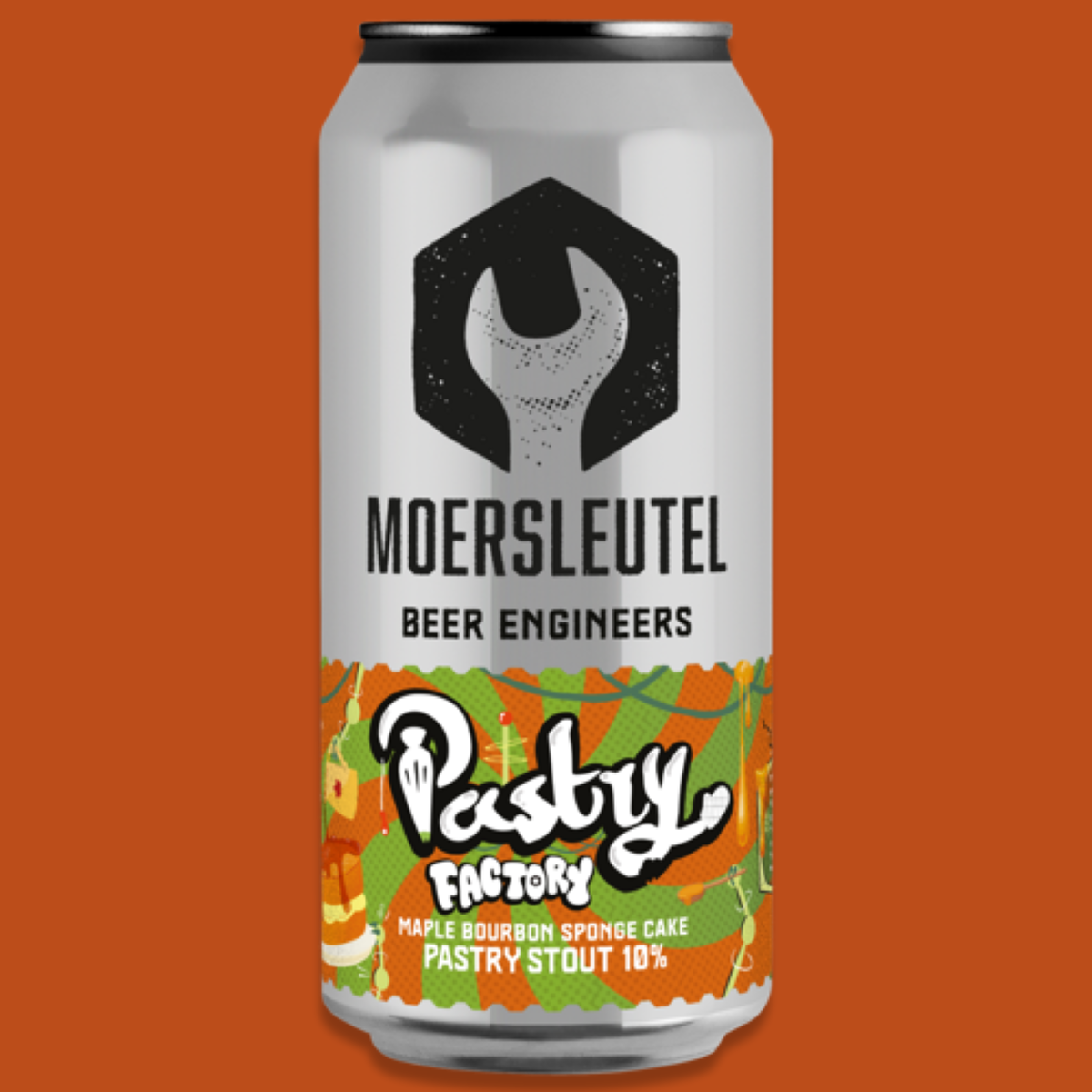
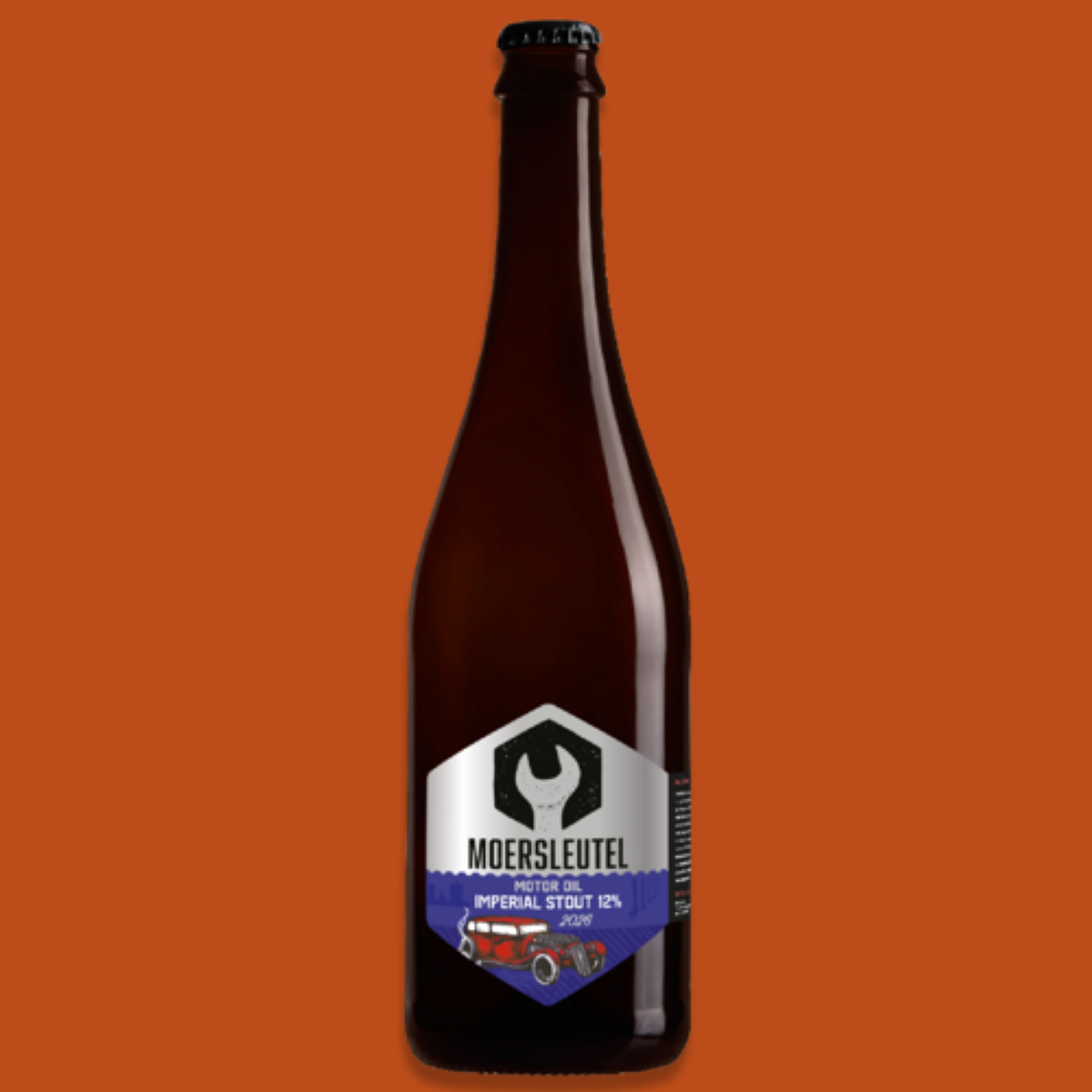
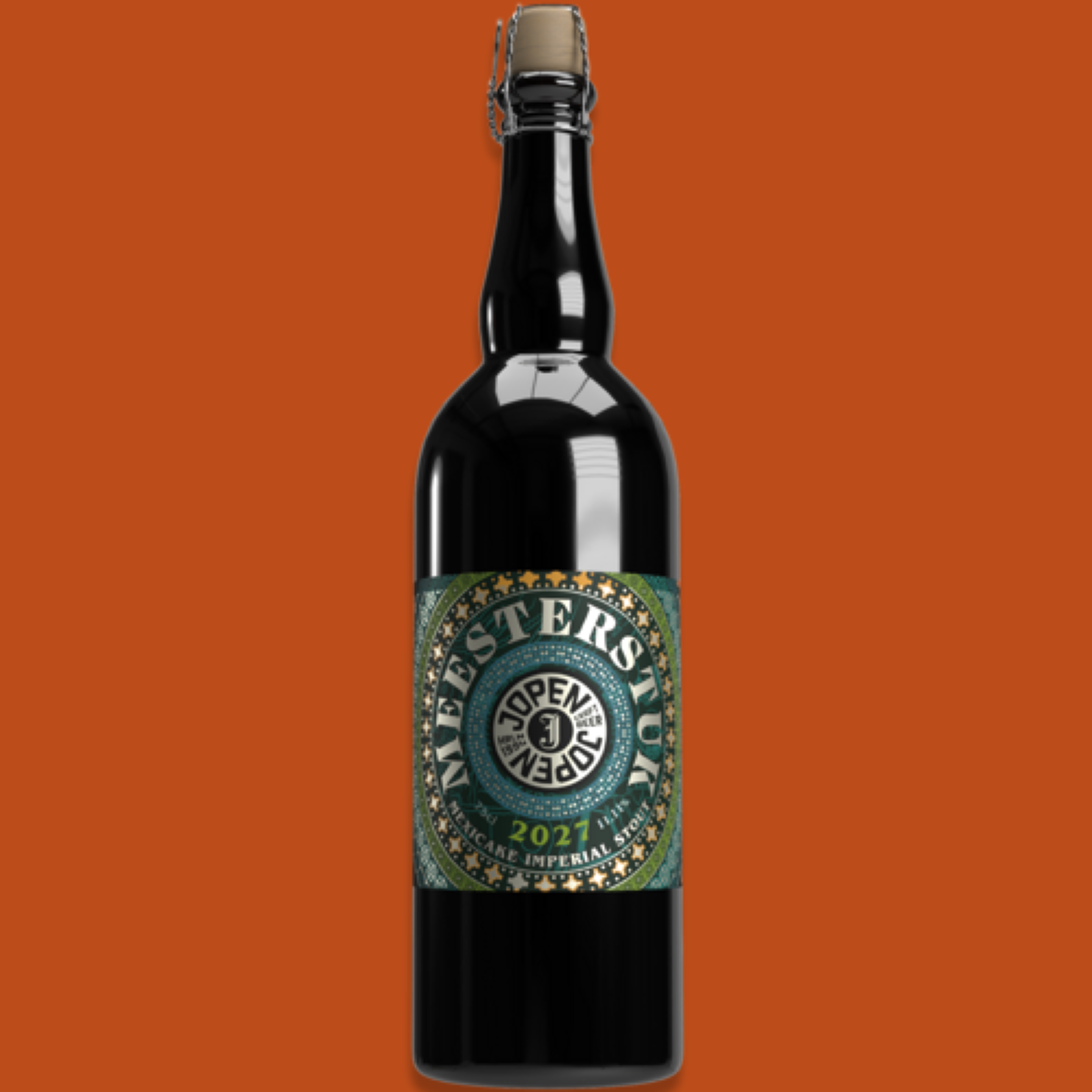
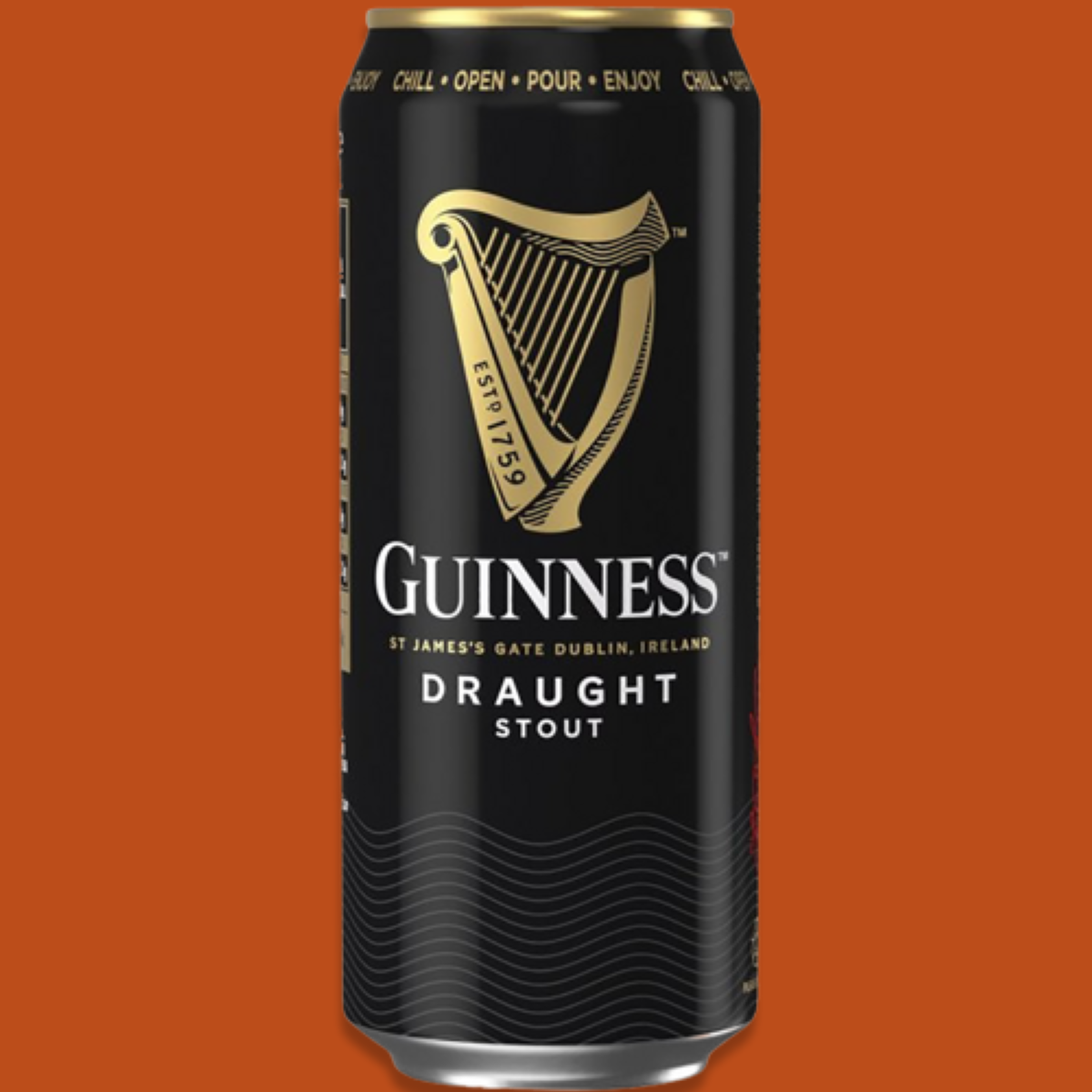
Prices as reported by Gall & Gall on November 21, 2026. You can see the current price and stock at Gall & Gall. Glazen.nl receives a small commission if you buy something through these links; you pay nothing extra. No one under 18, no alcohol.
Everything for your bar,
at one address
Hospitality-quality glasses, sold as a set. Order today, delivered quickly.
Shop glasses →