Argentine wine
Argentine wine comes from vineyards at the foot of the Andes, often hundreds of meters above sea level. Mendoza is by far the most important region. The country is world-famous for Malbec: dark, juicy and full of fruit.


Argentine wine by region, grape and winery
Argentina revolves around one region and one grape. We have a dedicated page about Mendoza, Malbec and two well-known wineries.

Mendoza
Argentina's largest wine region, with vineyards reaching high into the mountains.
About Mendoza →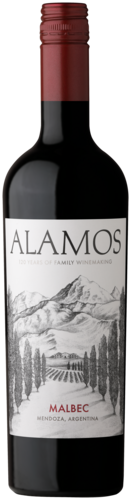
Malbec
Originally a French grape, but it came into its own in Argentina. Blackberries, plums and violets.
About Malbec →
Catena
One of Mendoza's best-known wineries, renowned for Malbec and Chardonnay from high-altitude vineyards.
About Catena →
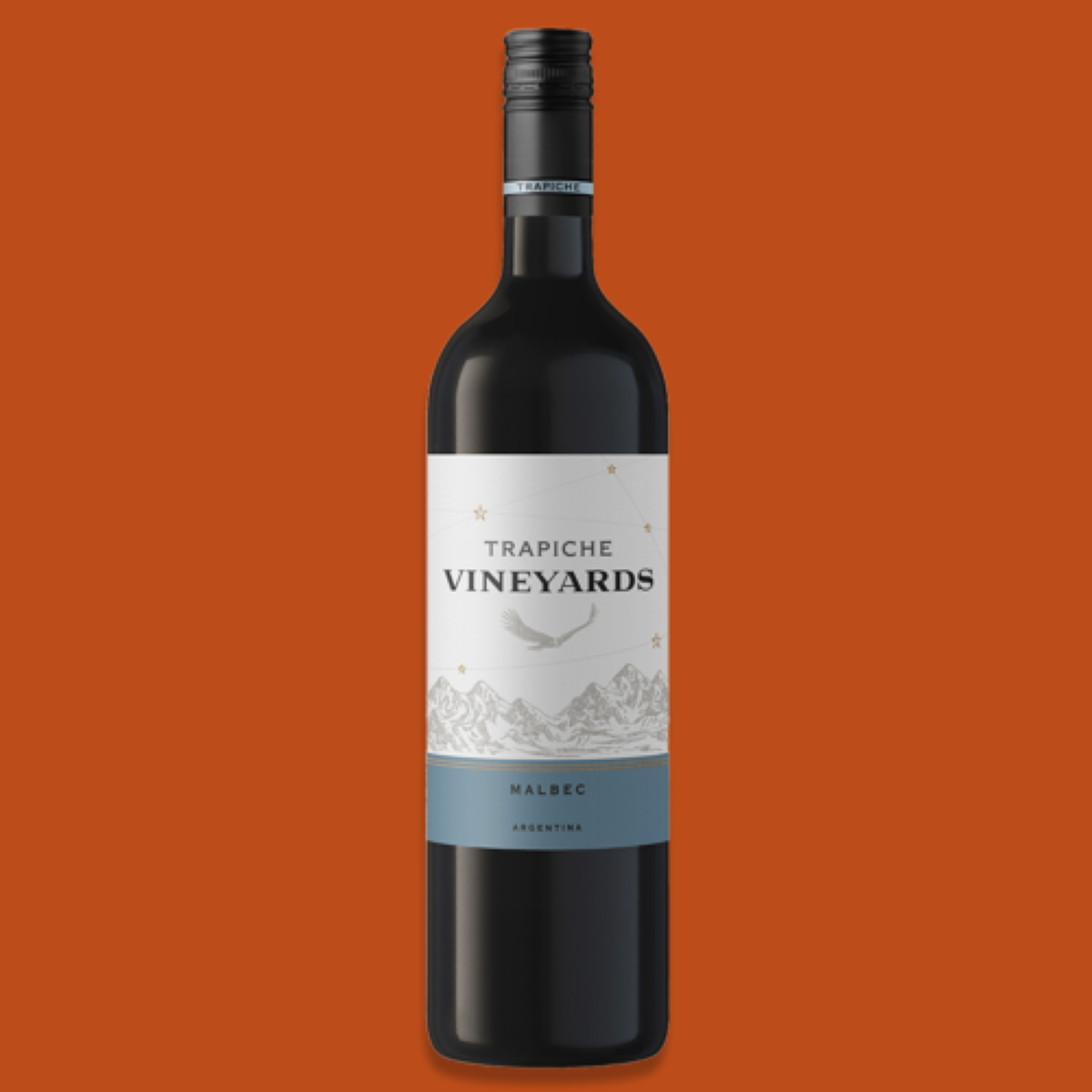
Trapiche
A large, historic winery from Mendoza, with wines ranging from simple Malbec to single-vineyard wines.
About Trapiche →High-altitude wine
Argentina is one of the largest wine-producing countries in the world. The vineyards lie in the west, in a long strip along the Andes. The climate is dry and sunny, with little rain. The vines get their water from the mountains: snowmelt is channeled to the vineyards. The altitude is a defining feature. Many vineyards lie at 700 to 1,500 meters, and even higher in the north. It's warm there during the day, but temperatures drop sharply at night. This gives the grapes deep color and ripe fruit while preserving their freshness. Spanish colonists planted vines here as early as the sixteenth century. In the nineteenth century, immigrants from France, Italy, and Spain brought new grape varieties and their expertise.
Mendoza is by far the most important region. Well-known subregions include Luján de Cuyo and Maipú, near the city, and the higher-altitude Uco Valley, with places like Tupungato and Altamira. Malbec originally comes from France, from Cahors and Bordeaux. In Argentina, the grape proved so well suited to the region that it became the national grape. Cabernet sauvignon, cabernet franc, bonarda, and chardonnay for white wine also grow here. Torrontés is Argentina's signature white grape, floral and aromatic, especially from Salta in the north. In the south, in Patagonia, it's cooler, and they also make pinot noir.
In brief
Seven bottles, from malbec to white malbec
Three malbecs in three styles: classic, pure and unoaked, and bold, from the best vineyards. Then cabernet franc and cabernet sauvignon, a white wine made from red grapes, and a high-altitude chardonnay.
Catena Malbec
Classic malbec from one of Mendoza's best-known wineries. Bold and dark, full of blackberries, cassis, and blackcurrants.

Zuccardi Alambrado Malbec
This malbec doesn't come into contact with wood. That lets you taste the grape in its purest form: juicy, fruity, and smooth.

Trapiche Gran Medalla Malbec
Malbec from the best vineyards in the high-altitude Uco Valley. Bold, complex, and made to be savored.

Argento Reserva Cabernet Franc Bio
Cabernet franc comes from the Loire and Bordeaux and is becoming increasingly popular in Argentina. Spicy, with red and black fruit.

Zorzal Gran Terroir Cabernet Sauvignon
Cabernet sauvignon from vineyards at an altitude of 1350 meters, at the limit of where wine can still be grown. Full-bodied, with freshness from the cool nights.
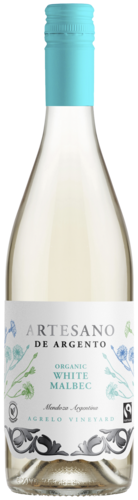
Artesano de Argento White Malbec
A white wine made from blue malbec grapes: the skins are removed quickly so the wine stays colorless. Lively and fresh, with citrus and green apple.

Catena Appellation Tupungato Chardonnay
Chardonnay from high-altitude vineyards in Tupungato, in the Uco Valley. Full-bodied and creamy, with notes of butter, pineapple, yellow apple and citrus.
How did a French blending grape become Argentina’s pride? Find out on our malbec page.
Dark fruit, violets and soft tannins
Blackberries & violets
Malbec smells of blackberries, plums and black cherries, often with a floral note of violets. Oak aging adds vanilla, chocolate and tobacco. White wine smells of citrus, peach and tropical fruit.
Juicy and round
Argentine red wine is full-bodied and ripe, but thanks to the altitude, not heavy. Malbec has soft, round tannins and a juicy flavor. Cabernet sauvignon is more robust.
Fruity and warm
Most wines finish dry and fruity, with a warm note from the alcohol and, in oak-aged wines, some spice.
Flavor profile of an average malbec from Mendoza. A white malbec or pinot grigio scores lower on body and higher on freshness.
How to serve Argentine wine
Serve malbec slightly chilled, white wine cold, and give a full-bodied malbec or cabernet some air first.
Red at 16 to 18 degrees
Malbec is often 13.5 to 14.5% alcohol. If you serve it too warm, all you taste is the alcohol. It’s at its best around 16 degrees: juicy and fresh. Put a bottle from a warm room in the fridge for a little while.
More about wine temperature →Letting full-bodied wine breathe
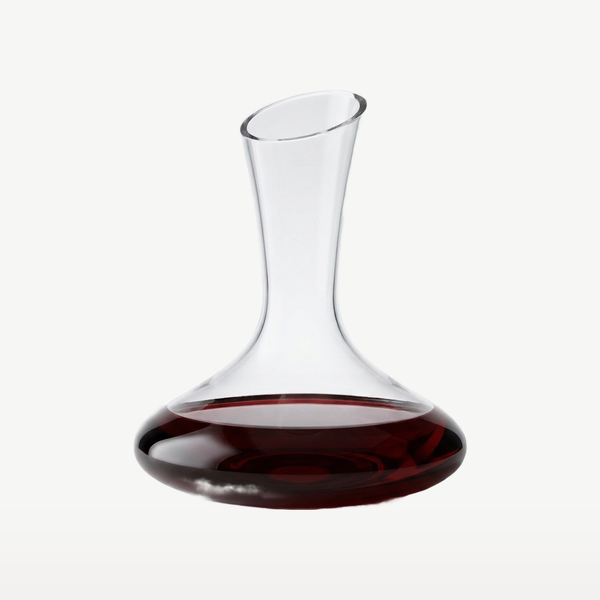
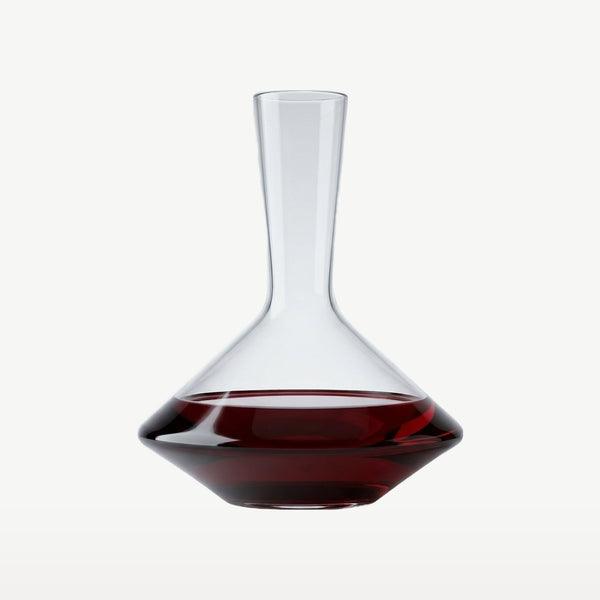
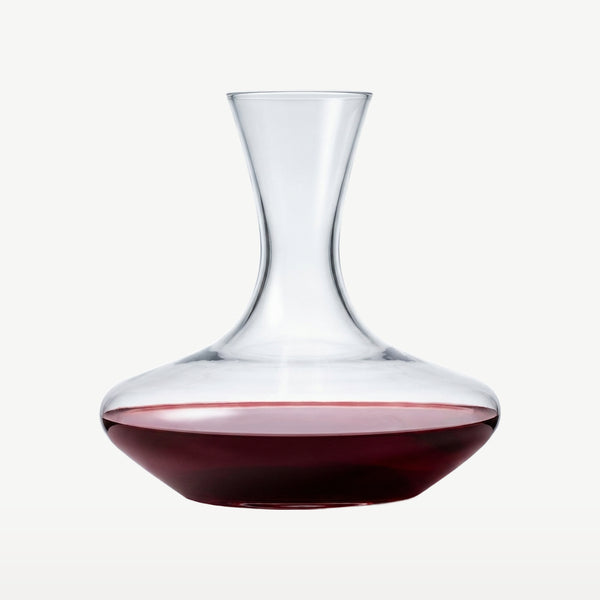
A gran reserva or single-vineyard malbec and a full-bodied cabernet soften if you pour them into a decanter half an hour beforehand. You can pour a fruity, unoaked malbec straight away.
Decanters →White and rosé, chilled
Serve Pinot Grigio, Sauvignon Blanc, Torrontés and white Malbec at 8 to 10 degrees. An oaked, full-bodied Chardonnay can be served a little warmer, around 10 to 12 degrees.
More about decanting →Argentine wine at the table
In Argentina, wine goes hand in hand with asado: meat grilled slowly over a wood fire. Malbec is its classic partner, but Argentine wine also pairs well with many other dishes.
Asado and beef
Sirloin steak, picanha, ribeye and grilled sausages. Also delicious with chimichurri, the Argentine herb sauce made with parsley, garlic and oil.
Lamb and grilled vegetables
A rack of lamb, braised meat, or grilled peppers and eggplant. Cabernet Franc pairs well with dishes featuring herbs.
Burgers, pizza and empanadas
An unoaked Malbec is smooth enough for everyday meals: a hamburger, pizza, pasta or stuffed empanadas.
Fish, chicken and Asian food
A full-bodied Chardonnay with salmon and chicken, a crisp Pinot Grigio or white Malbec with fish and salads, and Torrontés with mildly spicy Asian food.
The right glass for Argentine wine
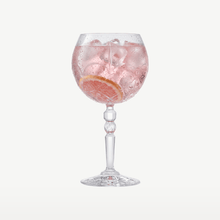
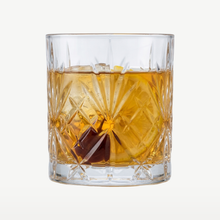
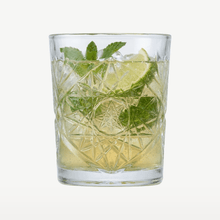
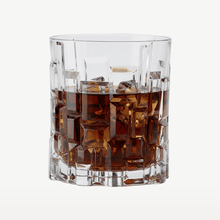
Pour Malbec into a generous red wine glass so its dark fruit and violet notes can really shine. For a bold Malbec or Cabernet, choose a tall, large bowl; for white wine, a smaller glass. These are the glasses we recommend.


Everything you still wanted to know about Argentine wine
Can’t find your question here? Read more about wine and food, or get in touch.
Wine and food pairing →What is Argentine wine?
Why is malbec so popular in Argentina?
Why are Argentine vineyards at such high altitudes?
What is torrontés?
How much alcohol is in Argentine wine?
What goes well with malbec?
Buy Argentine wine
Want the bottle delivered straight to your door? Order Argentine wine online at Gall & Gall. Gall & Gall has 76, including 1 on sale.
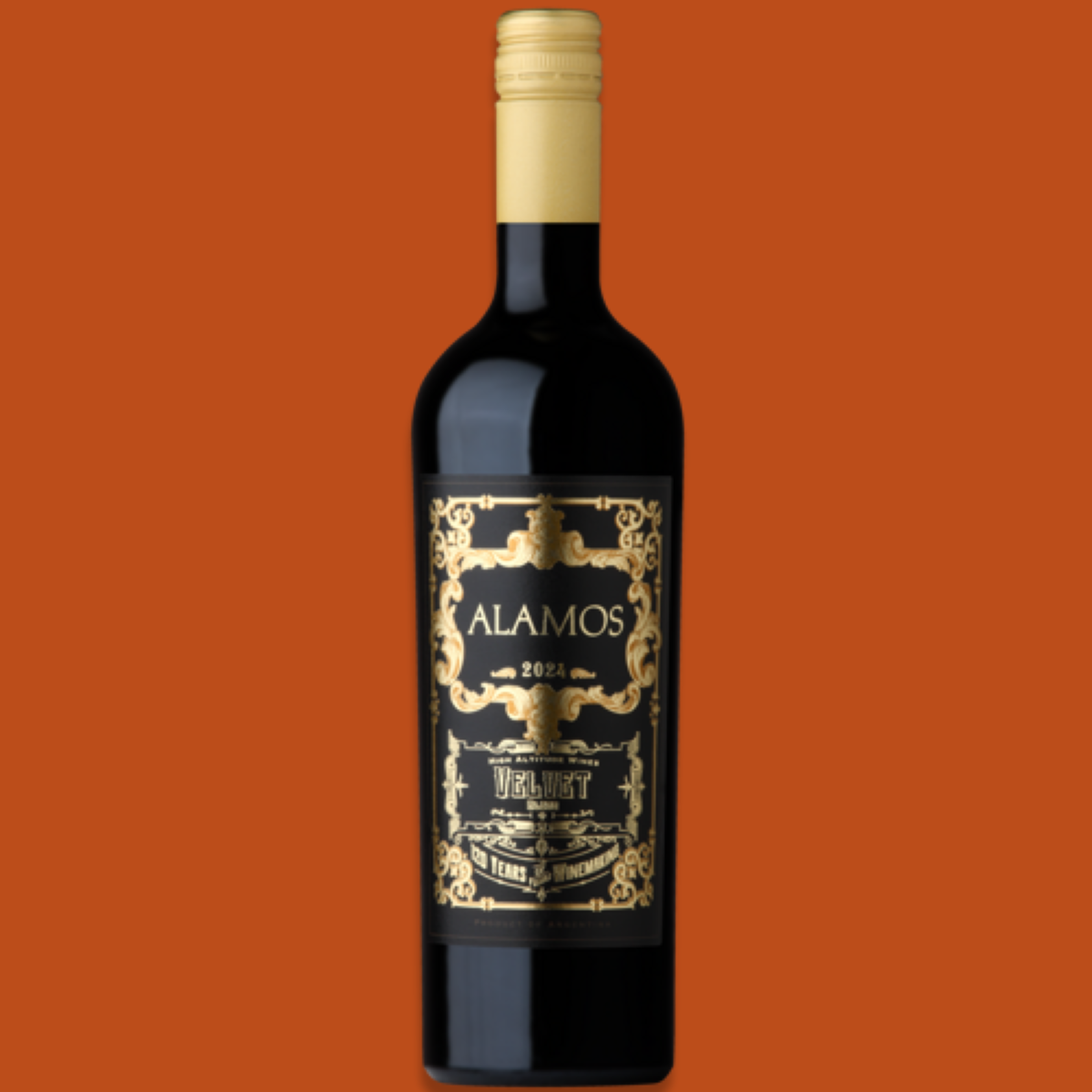
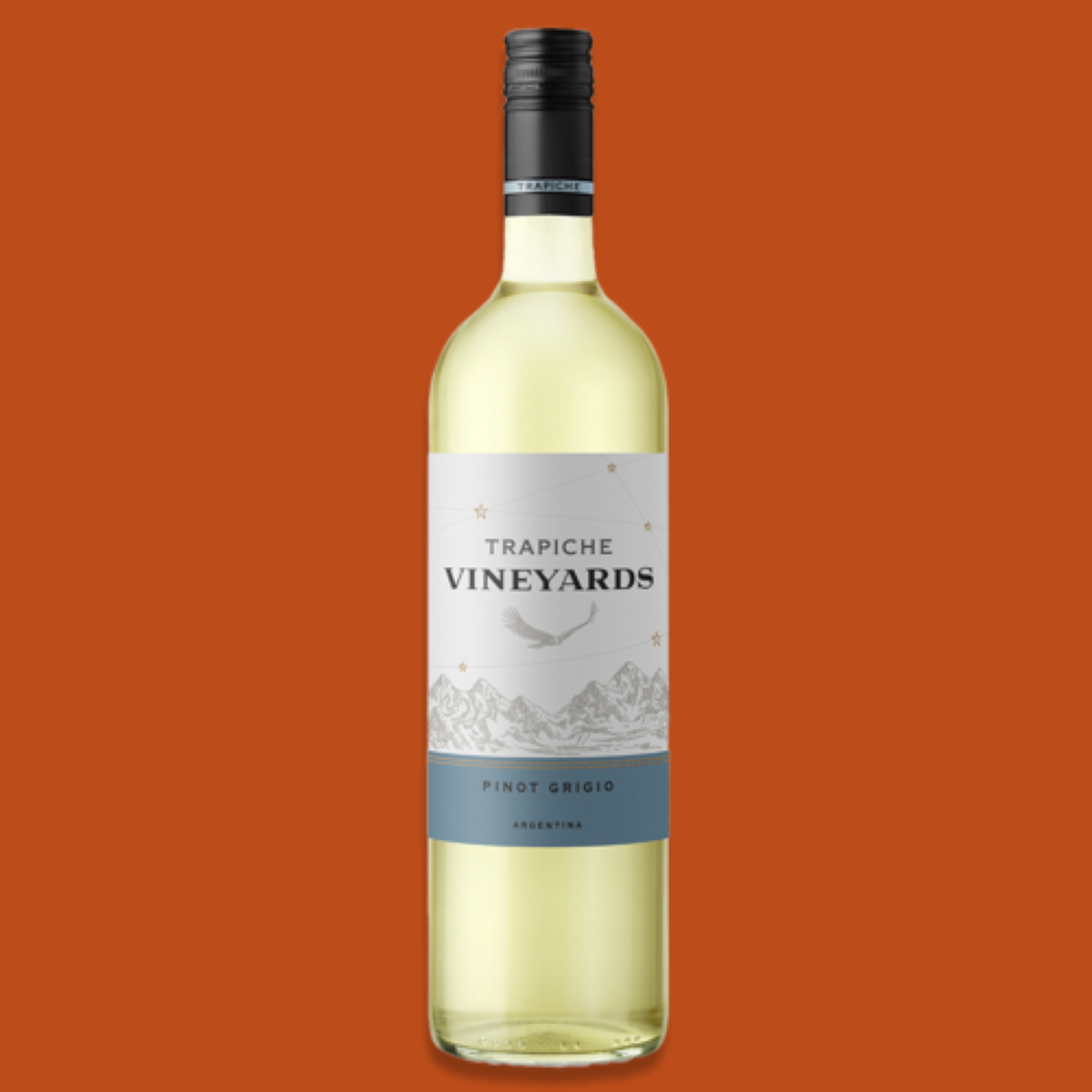
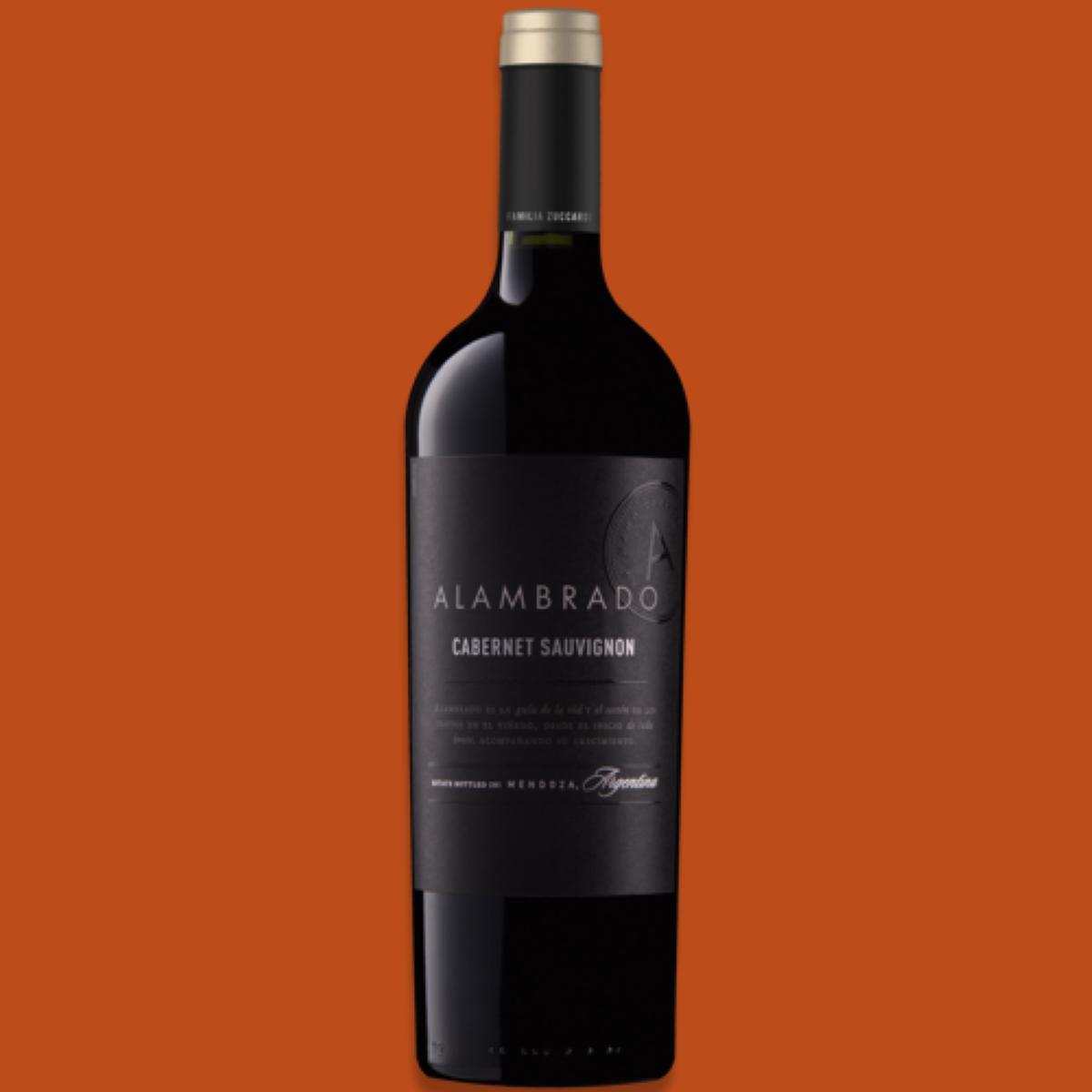
Prices as of November 21, 2026, as reported by Gall & Gall. You can see the current price and availability at Gall & Gall. Glazen.nl receives a small commission if you buy something through these links; it costs you nothing extra. No 18, no alcohol.