Châteauneuf-du-Pape
Châteauneuf-du-Pape is the most famous wine of the Southern Rhône. It comes from vineyards full of rounded pebbles, around a village named after the pope’s castle. Usually red, powerful, and spicy, with Grenache as the main grape. Here you can read about its taste, the bottles available, and what to eat with it.


The Rhône and its grapes
Châteauneuf-du-Pape is the top wine of a much larger region. Four related pages.

Rhône
The wine region along the Rhône River, from Syrah in the north to sun-soaked blends in the south.
About the Rhône →
Côtes du Rhône
The region’s broad appellation, with the same grapes in a lighter, more approachable style.
About Côtes du Rhône →
Grenache
A grape that thrives in warmth and produces ripe red fruit, spice, and plenty of power.
About Grenache →
Red wine
The bigger picture: grapes, oak aging, and the right temperature for serving red wine.
About red wine →Wine of the popes, on a bed of pebbles
Châteauneuf-du-Pape is a village in the southern Rhône, near Avignon. In the fourteenth century, the popes resided in Avignon, and Pope John XXII had a castle built here. That's where the name comes from: the pope's new castle. The wine from the surrounding area was initially called vin du pape. The region laid the foundations for France's system of protected origin: the rules were drawn up as early as 1923, and Châteauneuf-du-Pape officially became an AOC in 1936. Besides the village itself, the appellation includes parts of Bédarrides, Courthézon, Orange and Sorgues.
The galets roulés stand out: large, round pebbles left here long ago by the Rhône. They absorb heat during the day and release it at night, helping the grapes ripen well. This partly explains the wine's strength and high alcohol content. Eighteen grape varieties are permitted, but in practice it revolves around grenache, complemented by syrah and mourvèdre. This blend is also known as a GSM blend. Almost all Châteauneuf-du-Pape is red. But about one in sixteen bottles is white, made from grapes including roussanne, grenache blanc and clairette. Many bottles feature the papal coat of arms embossed in the glass.
In brief
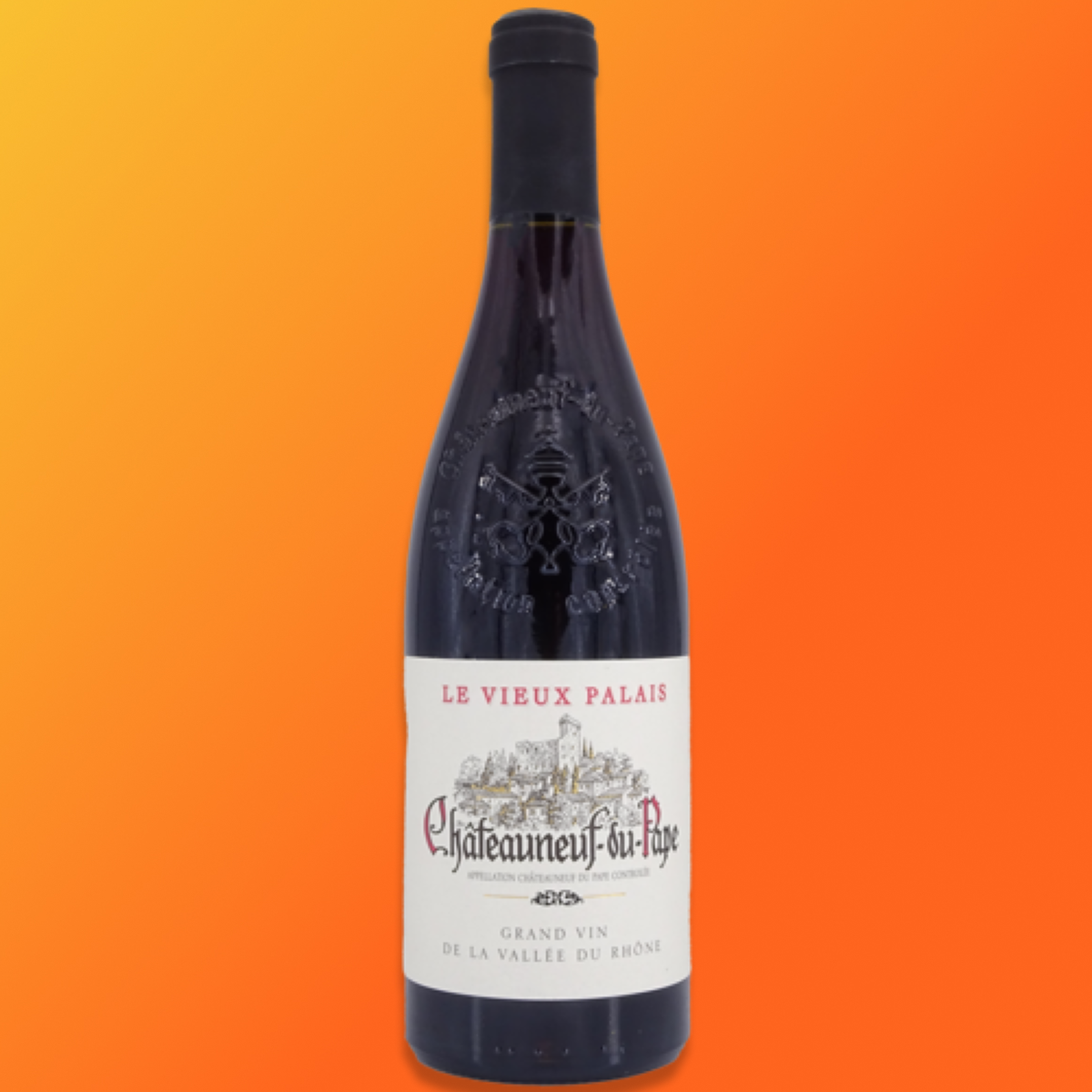
Six bottles, five red and one white
All the red bottles are based on grenache, but the proportions of syrah and mourvèdre, as well as the vintage, make a difference. The white wine, which you don't see often, is at the bottom.
Vidal-Fleury Châteauneuf-du-Pape
Grenache with syrah and mourvèdre. A full-bodied wine with cherries, plums, pepper, nutmeg and truffle. Also available in a 150 cl magnum.
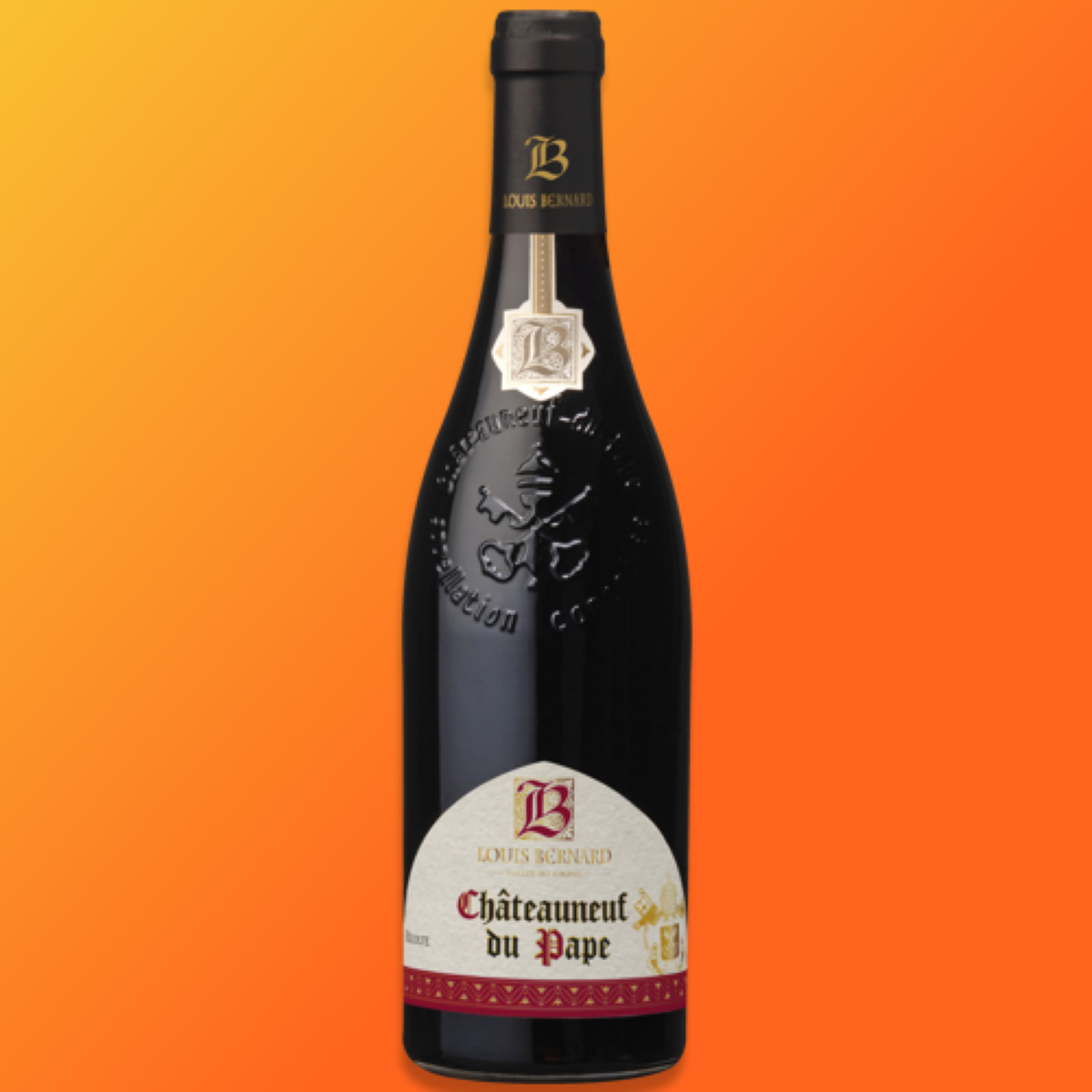
Louis Bernard Châteauneuf-du-Pape
Classic blend of grenache, syrah and mourvèdre. Dark berries, spices and firm tannins.
M. Chapoutier Les Grands Merisiers
From a single vineyard: 80% grenache, 15% syrah and 5% mourvèdre. Spicy, with red fruit and licorice.
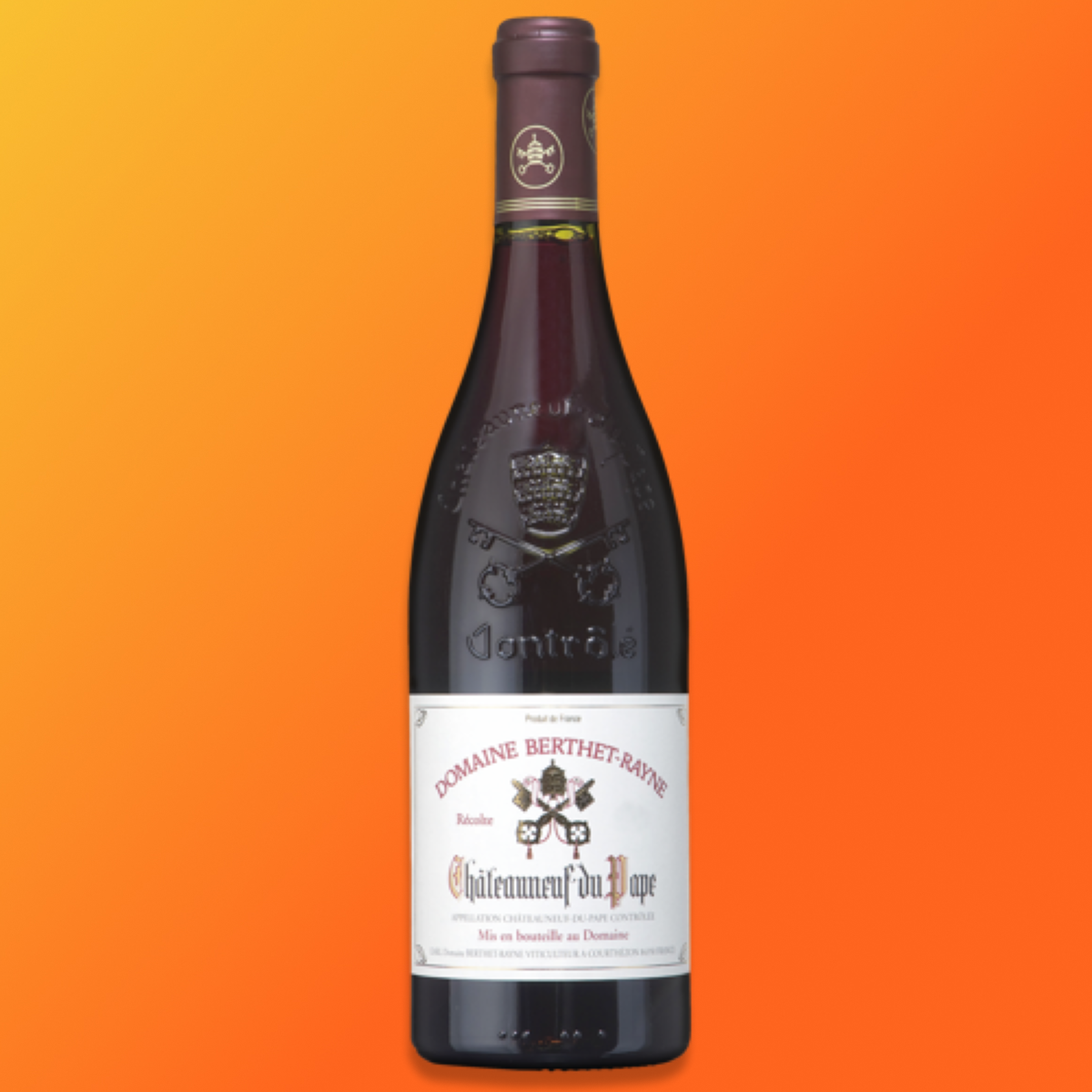
Berthet-Rayne Châteauneuf-du-Pape
From the galets roulés soil, with different grapes blended to make a robust red wine.
Laurus Châteauneuf-du-Pape
57% grenache and 43% syrah. A bottle from a somewhat older vintage, so it has developed further.

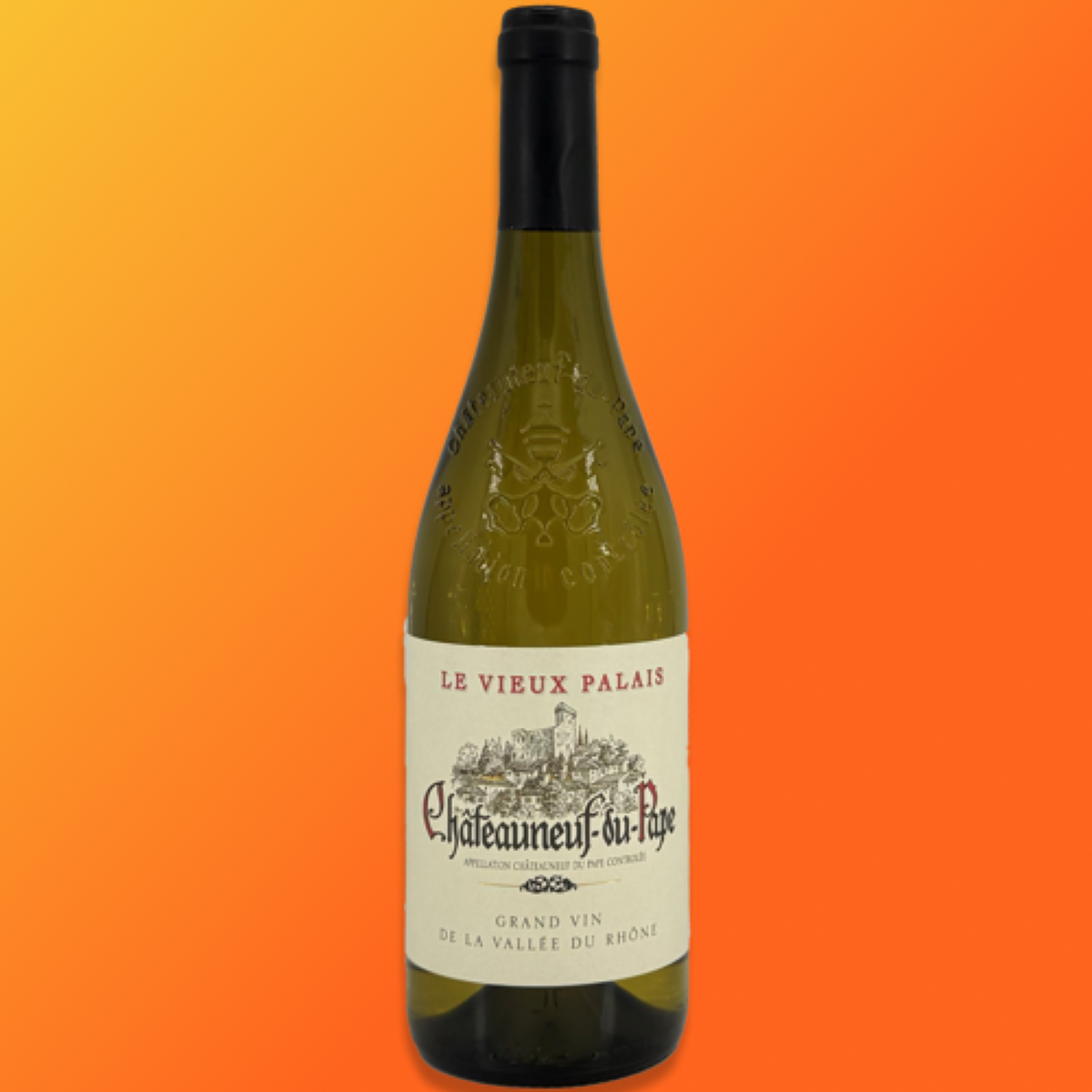
Vidal-Fleury Châteauneuf-du-Pape Blanc
The rare white wine, made from roussanne, grenache blanc and clairette. Full and rich, with apricot, peach and marzipan.
Côtes du Rhône comes from the same region and uses the same grapes, but is lighter and more approachable.
Ripe red fruit, herbs and warmth
Cherries & garrigue
Ripe cherries, plums and raspberries, with pepper and the herbs of the southern French hills: thyme, rosemary and bay leaf.
Full-bodied and warm
Powerful and rounded, with soft to firm tannins. Grenache brings ripe fruit and warmth, syrah color and pepper, mourvèdre structure.
Long and spicy
Licorice, spices and, in an older vintage, leather and truffle. The white finishes full and creamy, with marzipan and stone fruit.
Flavor profile of a typical red Châteauneuf-du-Pape. The white is less powerful and has no tannins.
How to serve Châteauneuf-du-Pape
Not too warm, with a little air, and preferably with food.
Red at 16 to 18 degrees
Because of its high alcohol content, a bottle served too warm can quickly taste heavy. If it’s in a warm room, put it in the fridge for fifteen minutes. Serve the white at 10 to 12 degrees.
More about wine temperature →Let it breathe
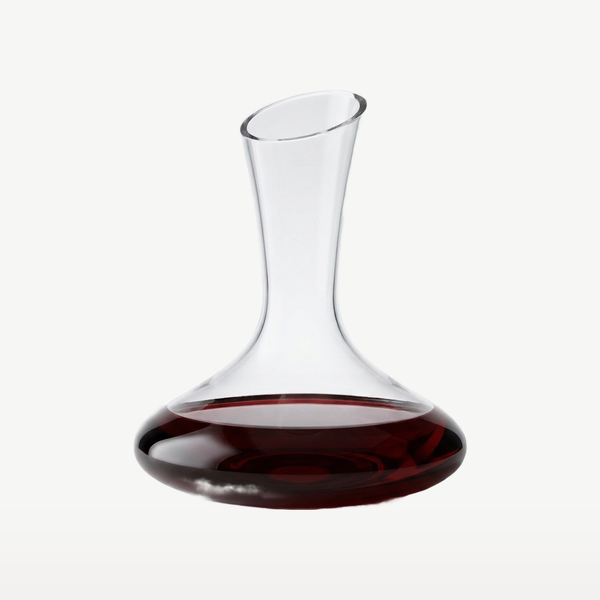
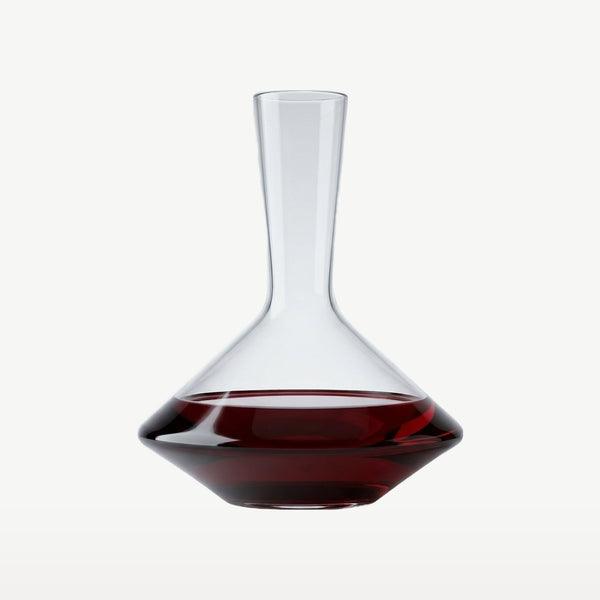
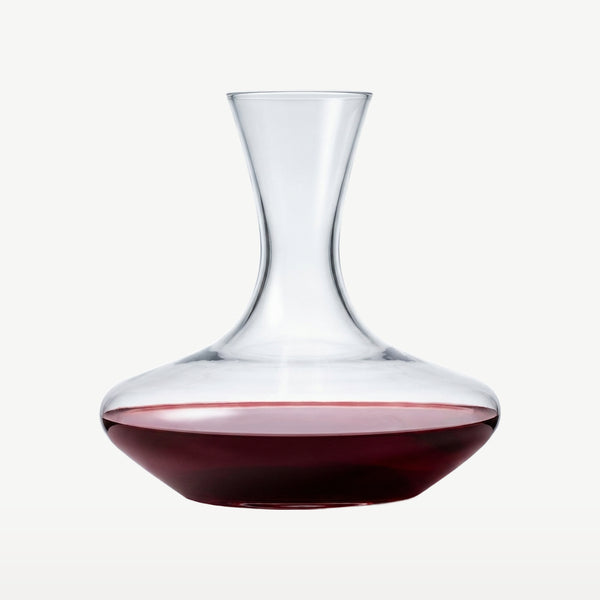
A young Châteauneuf-du-Pape is often still a little closed. Pour it into a decanter half an hour to an hour before the meal. Stand an older bottle with sediment upright a day in advance.
Decanters →It can be aged
Most red Châteauneuf-du-Pape can be enjoyed young, but they can also age well for several years. Store the bottles on their sides in a cool, dark place.
More about decanting →Châteauneuf-du-Pape at the table
A powerful wine calls for hearty food. Think Provençal cuisine: meat with herbs, stews and mushrooms.
Leg of lamb and herbs
Leg of lamb or rack of lamb with garlic, thyme and rosemary. The herbs in the dish and the wine bring out each other’s flavors.
Stews and daube
Beef stew, daube provençale, pulled pork or cassoulet. Slow-cooked meat and a full-bodied wine go well together.
Game and mushrooms
Venison steak, duck or mushroom risotto. A slightly older bottle with notes of leather and truffle is at its best here.
Poultry and lobster
The full-bodied white pairs well with chicken or guinea fowl in cream sauce, lobster and rich fish dishes.
The right glass for Châteauneuf-du-Pape
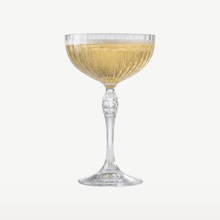
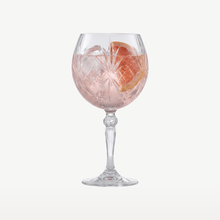
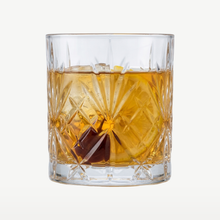
Pour the red into a large red wine glass so the wine can breathe and its spices and fruit can come through. For the white, choose a slightly larger white wine glass. These are the glasses we recommend ourselves.


Everything you’ve been wanting to know about Châteauneuf-du-Pape
Can’t find your question? Learn more about the Rhône or get in touch.
To the Rhône →What is Châteauneuf-du-Pape?
Which grapes are in Châteauneuf-du-Pape?
How much alcohol is in Châteauneuf-du-Pape?
What are the stones in Châteauneuf-du-Pape?
Should you decant Châteauneuf-du-Pape?
What to eat with Châteauneuf-du-Pape, and which glass to use?
Buy Châteauneuf-du-Pape
Want the bottle delivered straight to your door? Order Châteauneuf-du-Pape online at Gall & Gall. Gall & Gall has 9.
Prices as of November 25, 2026, as reported by Gall & Gall. You can see the current price and stock at Gall & Gall. Glazen.nl receives a small commission if you buy something through these links; you pay nothing extra. No 18, no alcohol.