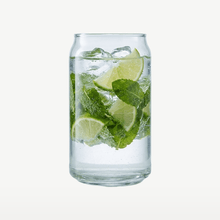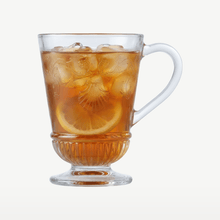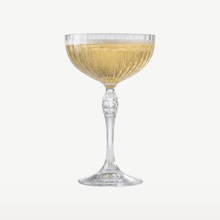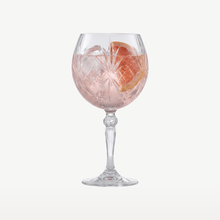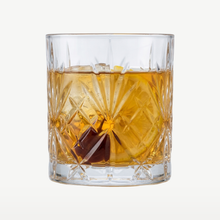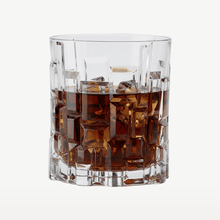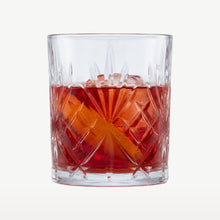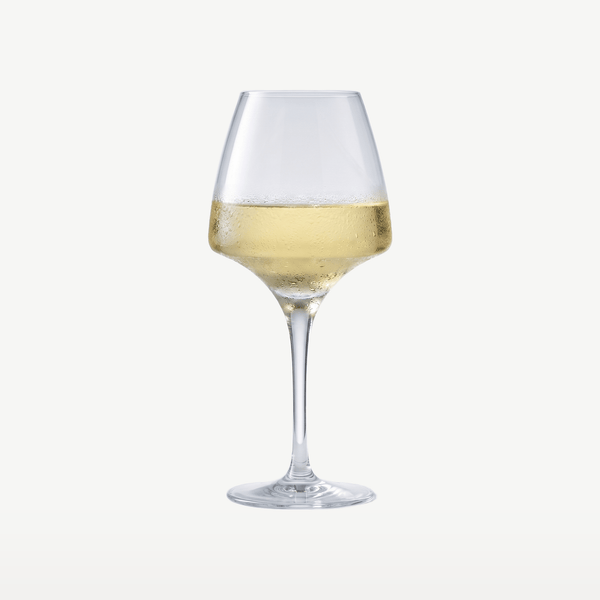
Chef & Sommelier Open Up Pro Tasting Wine Glass 32 Cl - 6 Pieces
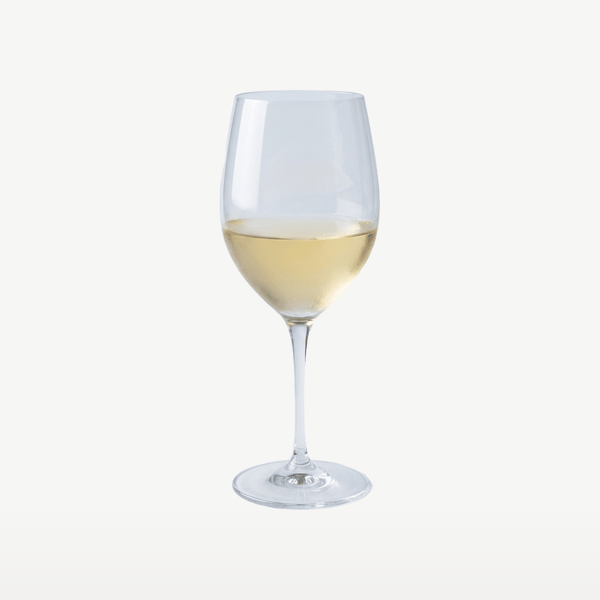

Sweet white wine
Sweet white wine is white wine with some grape sugar left after fermentation. It can be very lightly sweet, like Moscato, or honey-sweet, like Sauternes. Here you'll learn how white wine becomes sweet, what types there are, and what to eat with it.

Sweet wine by grape and region
Sweet white wine is a general term. We have a dedicated page for the best-known types, from light Moscato to noble sweet Sauternes.
Moscato
Lightly sweet, lightly sparkling wine made from Muscat grapes, with just 5 to 5.5% alcohol.
About Moscato →
Riesling
The grape behind most German sweet wines, with plenty of fresh acidity to balance the sweetness.
About Riesling →
Sauternes
The world's best-known noble sweet wine, made from sémillon and sauvignon blanc grapes affected by noble rot.
About Sauternes →
Sugar left behind by the yeast
When making wine, yeast converts the sugar in grape juice into alcohol. If fermentation runs its full course, you get dry wine. If sugar remains, it's called residual sugar and the wine tastes sweet. Under European regulations, wine can be called sweet from 45 grams of sugar per liter. Between about 12 and 45 grams, a wine is called medium-sweet; in stores, you'll often see the term lightly sweet. A German Kabinett with 40 grams of residual sugar is a good example.
There are a few ways to retain that sugar in the wine. The simplest is to stop fermentation in time by chilling and filtering the wine. This produces moelleux wines from France and many lightly sweet wines. For more sweetness, the grapes themselves need to have more sugar. To achieve this, the winemaker leaves the grapes on the vine longer (late harvest, Spätlese or vendanges tardives), leaves them to dry on mats or in sheds (passito, recioto, vin santo), or waits for noble rot: a fungus that punctures the skin, causing water to evaporate and leaving behind sugar and acids. This is how Sauternes, Tokaji and Beerenauslese are made. A final method is fortification: adding alcohol during fermentation immediately stops the yeast. This is how Muscat de Beaumes de Venise is made.
In brief
Twenty bottles, from lightly sweet to noble sweet
Gall & Gall has around 57 sweet white wines and dessert wines. We've grouped them by how they get their sweetness, because that determines the taste more than the country. From light and fresh at the top to rich and concentrated at the bottom.
Lightly sweet and light. Fresh, fruity and often low in alcohol. Delicious as an aperitif or on the terrace.
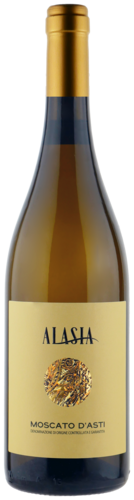
Alasia Moscato d'Asti
Lightly sparkling sweet wine made from muscat grapes, with white flowers, table grapes and pear.
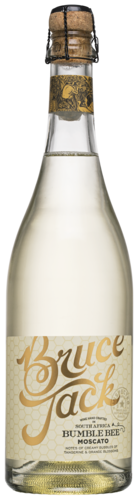
Bruce Jack Moscato
South Africa's answer to Moscato d'Asti, made from Muscat of Alexandria, also called Hanepoot there.

Torres Viña Esmeralda
Moscatel and Gewürztraminer. Fragrant, with lychee, roses and muscat grapes, and lightly sweet.

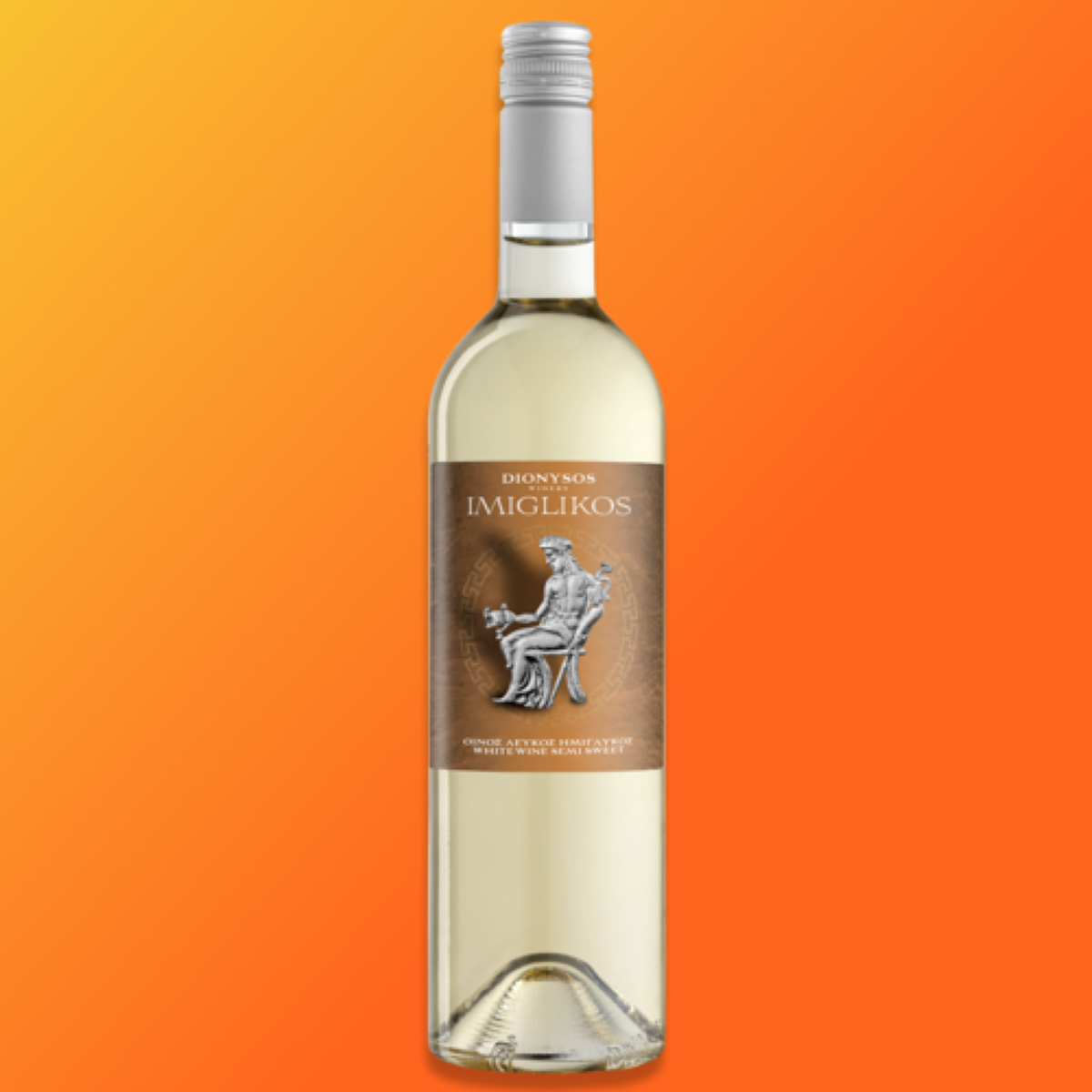
Dionysos Imiglykos
Imiglykos is Greek for semi-sweet. Made from Roditis, Muscat and Moschofilero, with citrus and fresh acidity.
Riesling from Germany. Kabinett, Spätlese and Auslese indicate how ripe the grapes were at harvest. The higher up the scale, the fuller-bodied and usually sweeter the wine.

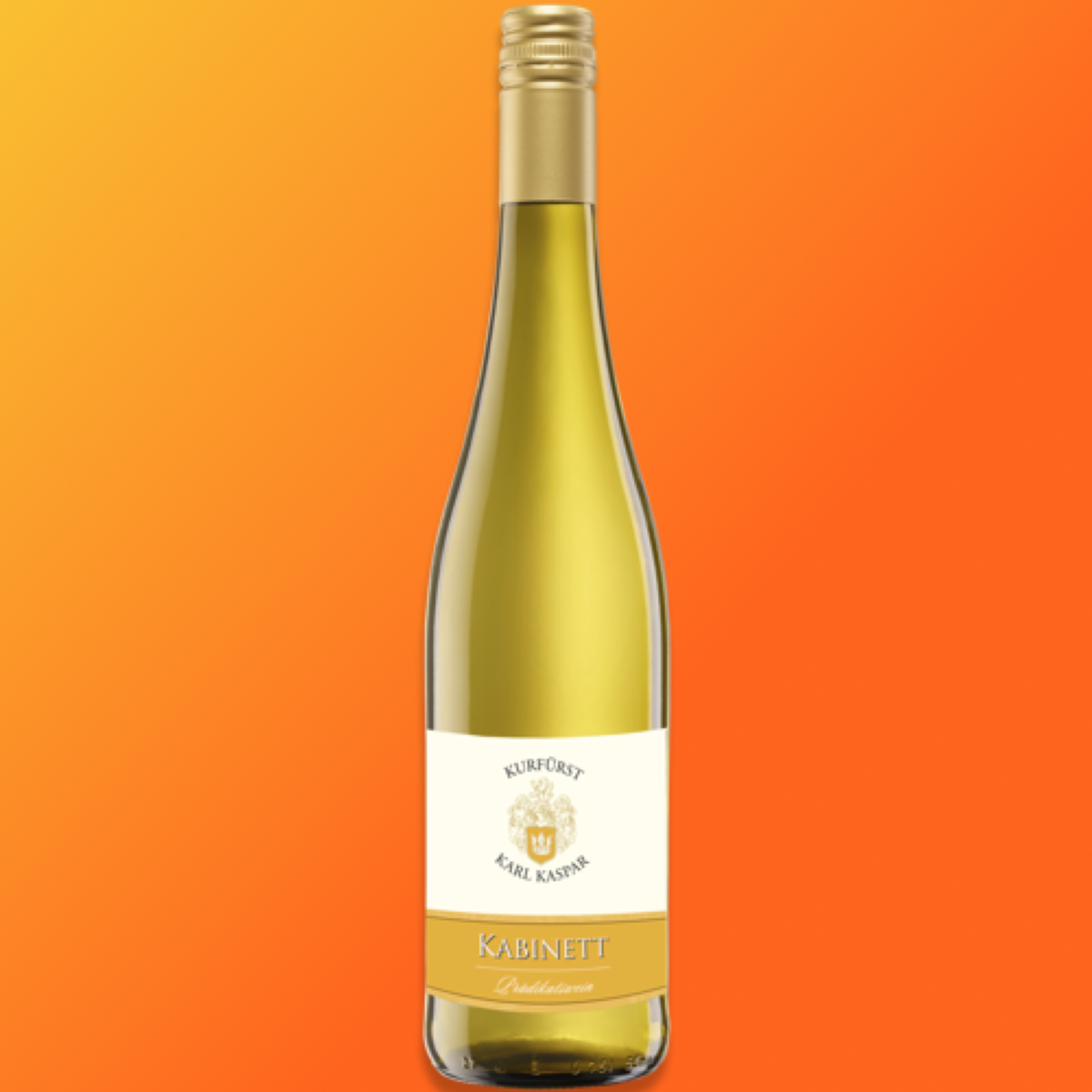
Kurfürst Karl Kaspar Kabinett
With 40 grams of residual sugar per liter, this is a lightly sweet wine, called lieblich in Germany. Fresh, with apple and tropical fruit.
Karl Erbes Riesling Spätlese
Late-harvest Riesling from the Ürziger Würzgarten vineyard. Low in alcohol and high in residual sugar.

Karl Kaspar Auslese
Made from selected ripe grapes. Sweet yet fresh, with tropical fruit, orange marmalade and honey.

Dr. Loosen Riesling Auslese
Sweet Riesling from a very steep vineyard on a bend in the Moselle.
Moelleux and late-harvest wines from France. Softly sweet wines from Bordeaux, the Loire and Alsace.

Comte du Haut-Lescourey Moelleux
Sémillon brings honey, while Sauvignon Blanc adds freshness and lemon. Moelleux means soft.

Vallée Loire Vouvray
Lightly sweet Chenin Blanc from Vouvray, with yellow apple and nectarine.

Château de la Roulerie Coteaux du Layon
Sweet Chenin Blanc with apple, pear, honey, almond and pineapple.

Adam Pinot Gris Vendanges Tardives
Sweet wine made from late-harvest Pinot Gris. Vendanges tardives is French for late harvest.
Noble sweet. Made from grapes affected by noble rot. Rich and complex, with a fresh acidity that balances the sweetness.
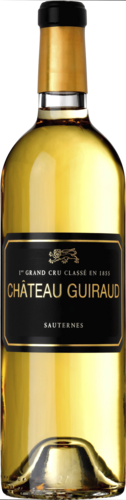
Château Guiraud
Sémillon and Sauvignon Blanc affected by noble rot. Raisins, orange marmalade, apple pie, honey and caramel.
Château Lamothe Guignard
Apricot marmalade, vanilla, almond, honey and pineapple. Half a bottle is enough for a table.
Royal Tokaji 5 Puttonyos Aszú
Noble-sweet Tokaji with honey, peach, spices and orange marmalade.

Domaine Andau Beerenauslese
Made from grapes affected by noble rot near Lake Neusiedl. Passion fruit, honey and lemon.
Dried and fortified. A true dessert wine: concentrated, often sold in a small bottle, and a dessert in itself.

Pomino Vin Santo
Made from dried Trebbiano and Malvasia Bianca grapes. Nutty, with hazelnut, dried apricot and lemon zest.
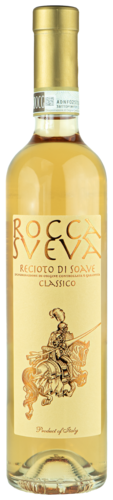
Rocca Sveva Recioto di Soave
White Recioto made from dried Garganega grapes. Raisins, honey, apricot, banana and vanilla.

Planeta Passito di Noto
Made from dried Moscato Bianco grapes. Honey, nougat, apricot, lemon, roses and ginger.

Muscat de Beaumes de Venise
Fortified Muscat with a generous dose of residual sweetness. The added alcohol stopped fermentation.
Read more about Port, Tokaji, Vin Santo and other after-dinner wines on our dessert wine page.
Honey and fruit, lifted by fresh acidity
Flowers, fruit & honey
Muscat grapes smell of grapes, roses and white flowers. Riesling smells of apple and peach. Noble-sweet wine adds honey, apricot and orange marmalade.
Sweet but fresh
A good sweet wine is never sticky. The grape’s acidity balances the sweetness. That’s why a Riesling Spätlese with 7.5% alcohol still tastes lively.
Long and rich
Noble-sweet and dried-grape wines linger, with caramel, nuts and dried fruit. Lightly sweet wine has a short, fresh finish.
Flavor profile of a typical sweet white wine. A Moscato or Kabinett scores lower on sweetness; a Sauternes, Tokaji or Vin Santo scores higher on sweetness and intensity.
How to serve sweet white wine
Sweet wine should be well chilled. That keeps it fresh and prevents the sweetness from feeling heavy.
Chilled, at 6 to 10 degrees
Serve lightly sweet wine and Moscato at 6 to 8 degrees. Sauternes or Tokaji can be a little warmer, around 8 to 10 degrees, so you can fully enjoy the aromas of honey and fruit. If served too warm, sweet wine can quickly taste syrupy.
More about wine temperature →Lightly sweet as an aperitif
A Moscato d'Asti, Kabinett, or Imiglykos works well at the start of the evening. Low in alcohol, fresh, and fruity. Fill a regular white wine glass halfway.
To the lightly sweet bottles →Dessert wine in a small glass
Rich wines such as Sauternes or vin santo are sipped slowly, so pour less than you would with dry wine. That’s why a 37.5 or 50 cl bottle is often enough for a whole table. With a stopper, an opened bottle will keep for a few days in the fridge.
To the glasses →Sweet white wine at the table
The rule of thumb: the wine should be at least as sweet as the dish. Otherwise, the wine tastes sour. But sweet wine also pairs well with savory food, especially salty and spicy dishes.
Fruit and light desserts
Fruit salad, strawberries, peach tart, or sorbet. Lightly sweet wine is also delicious with a summer lunch.
Spicy and Asian
A lightly sweet Riesling, Viña Esmeralda, or Vouvray tempers the heat of curry, Thai, or Chinese food.
Cheese and pâté
Blue cheese such as Roquefort, pâté, or foie gras. Salt and sweetness enhance each other. Also delicious with crème brûlée.
Cookies and nuts
Cantuccini to dip in vin santo, nut cake, or almond cookies. Or enjoy a glass instead of dessert.
The right glass for sweet white wine
Serve lightly sweet wine in a regular white wine glass. For a rich dessert wine, choose a smaller glass so you can pour small servings while keeping the aromas together. These are the glasses we recommend ourselves.


Everything you still wanted to know about sweet white wine
Can't find your question? Read more about dessert wine or get in touch.
To dessert wine →What is sweet white wine?
How is white wine made sweet?
Which sweet white wine is good for beginners?
How much alcohol is in sweet wine?
What to eat with sweet white wine?
Which glass and temperature for sweet white wine?
Buy sweet white wine
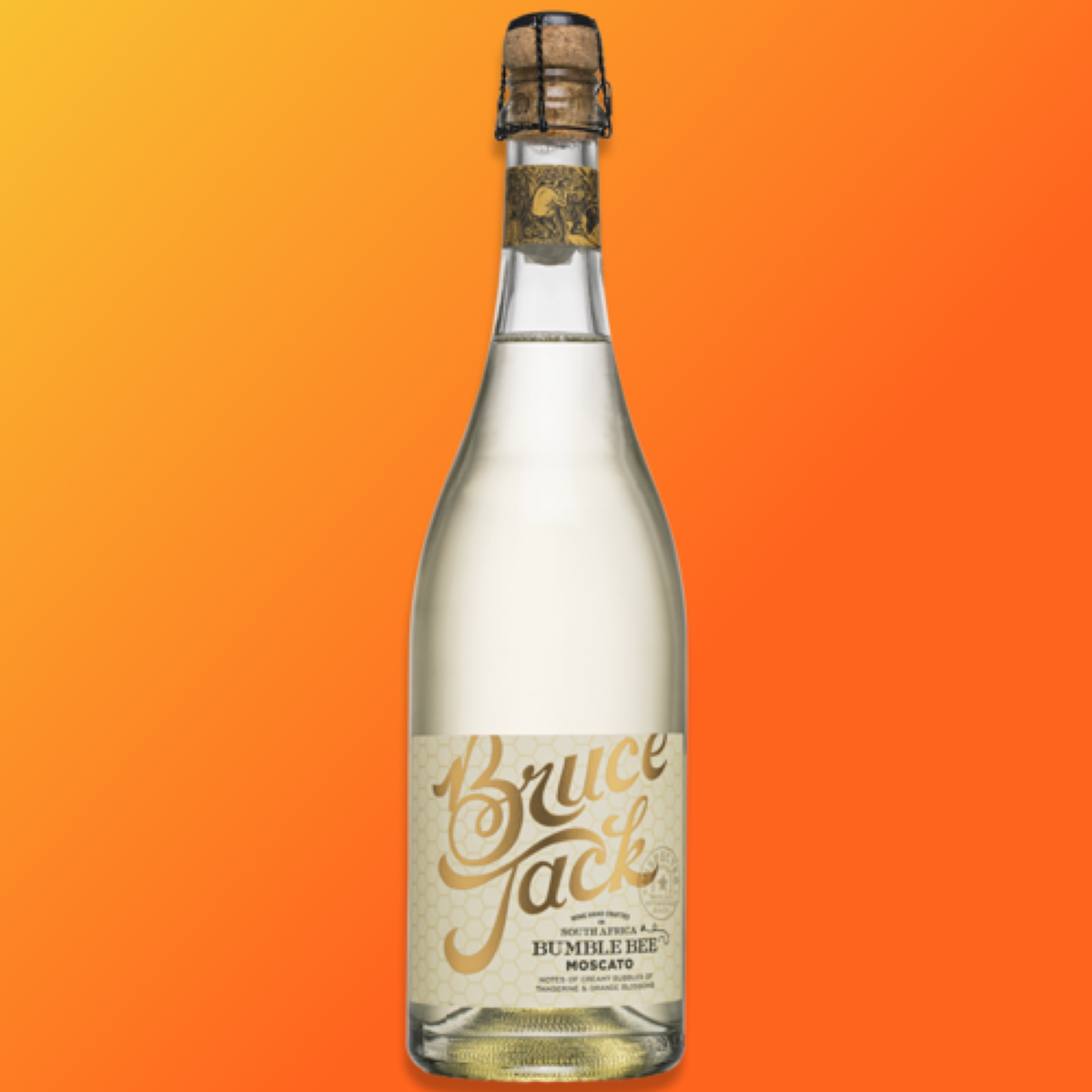
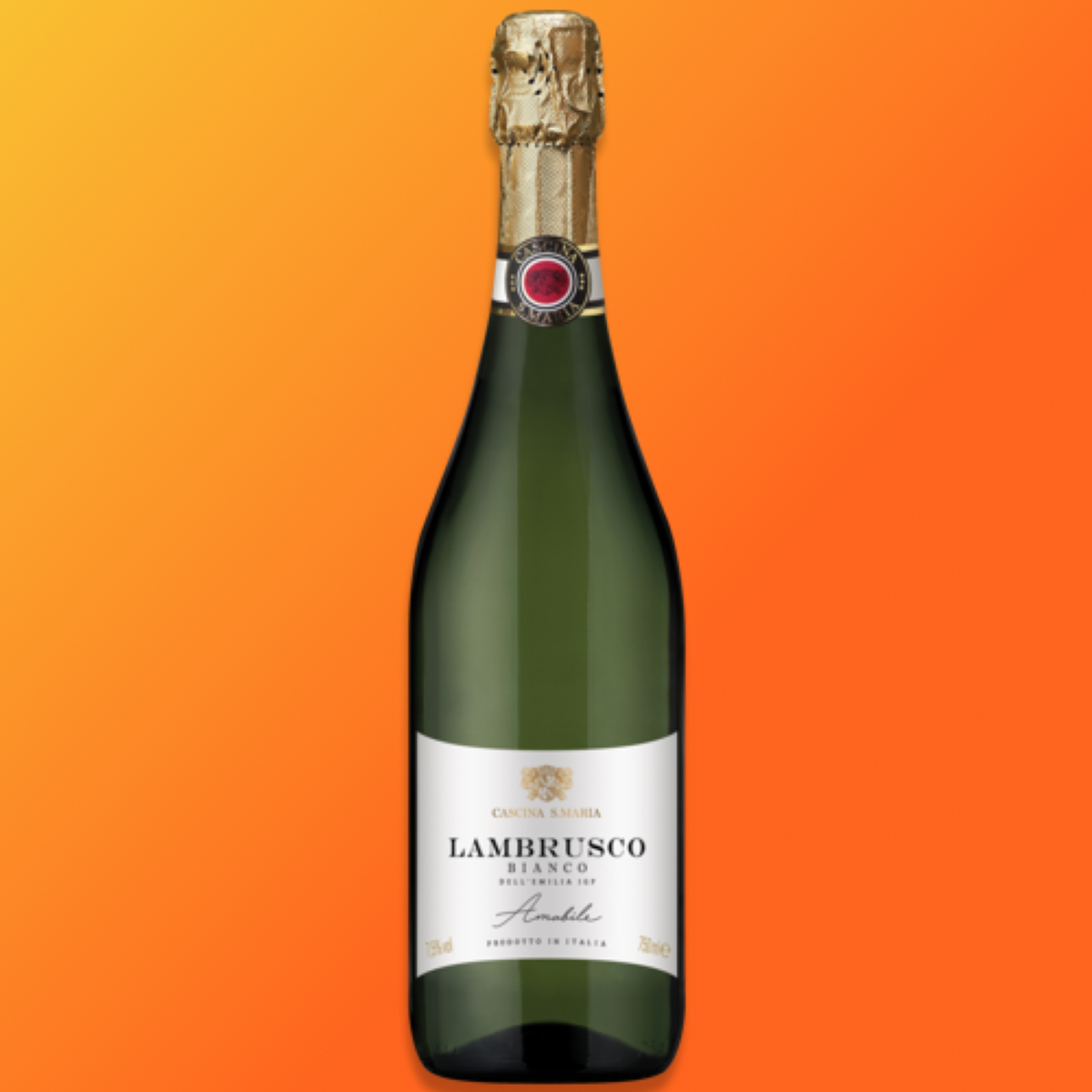
Want the bottle delivered right away? Order sweet white wine online from Gall & Gall. Gall & Gall has 52 varieties, one of which is on sale.
Prices as of November 24, 2026, as provided by Gall & Gall. You can see the current price and stock at Gall & Gall. Glazen.nl receives a small commission if you buy something through these links; it costs you nothing extra. No 18, no alcohol.